Sharing Air Quality readings in Developing Countries can Reduce Air Pollution
-
 Loading...
 - Josue Lagos
- 25 Oct 2022
- 71 Views
- 0 Like
- 0 Comment
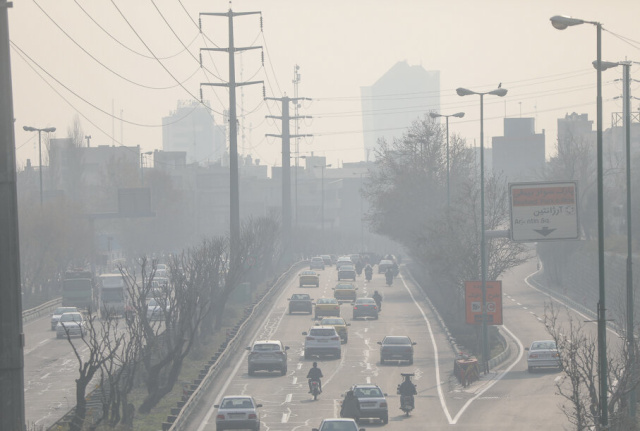
Real-time air quality readings sharing has been found to reduce air pollution and lower mortality rates in developing nations, according to research co-led by The University of Queensland.
The research has been published in the Proceedings of the National Academy of Sciences. The project, carried out in collaboration with Carnegie Mellon University in the US, was inspired by real-time Twitter updates on air quality, according to Dr. Andrea La Nauze from the School of Economics at the University of Queensland.
"In 2008, the US Embassy in Beijing began tweeting hourly air quality information from a new pollution monitor, which dramatically increased attention to air pollution in China," Dr La Nauze said.
"US embassies now tweet live air quality readings in 38 non-OECD countries worldwide."
"We looked at 36 of those countries and found the sharing of real-time data increased local public interest in air quality and led to reduced air pollution levels."
The researchers compared the results with other non-OECD cities without embassy monitors by measuring air pollution levels before and after the US embassy in a city started tweeting air quality readings.
They discovered that exchanging real-time data on air quality led to an annual decrease in fine particulate concentrations of 2-4 micrograms per cubic meter on average.
An air pollutant called fine particulate matter has been linked to serious health issues like heart disease and weakened lungs. Read More...