Sea in danger, contaminated by human and industrial waste
-
 Loading...
 - James Hale
- 10 Oct 2022
- 65 Views
- 0 Like
- 0 Comment
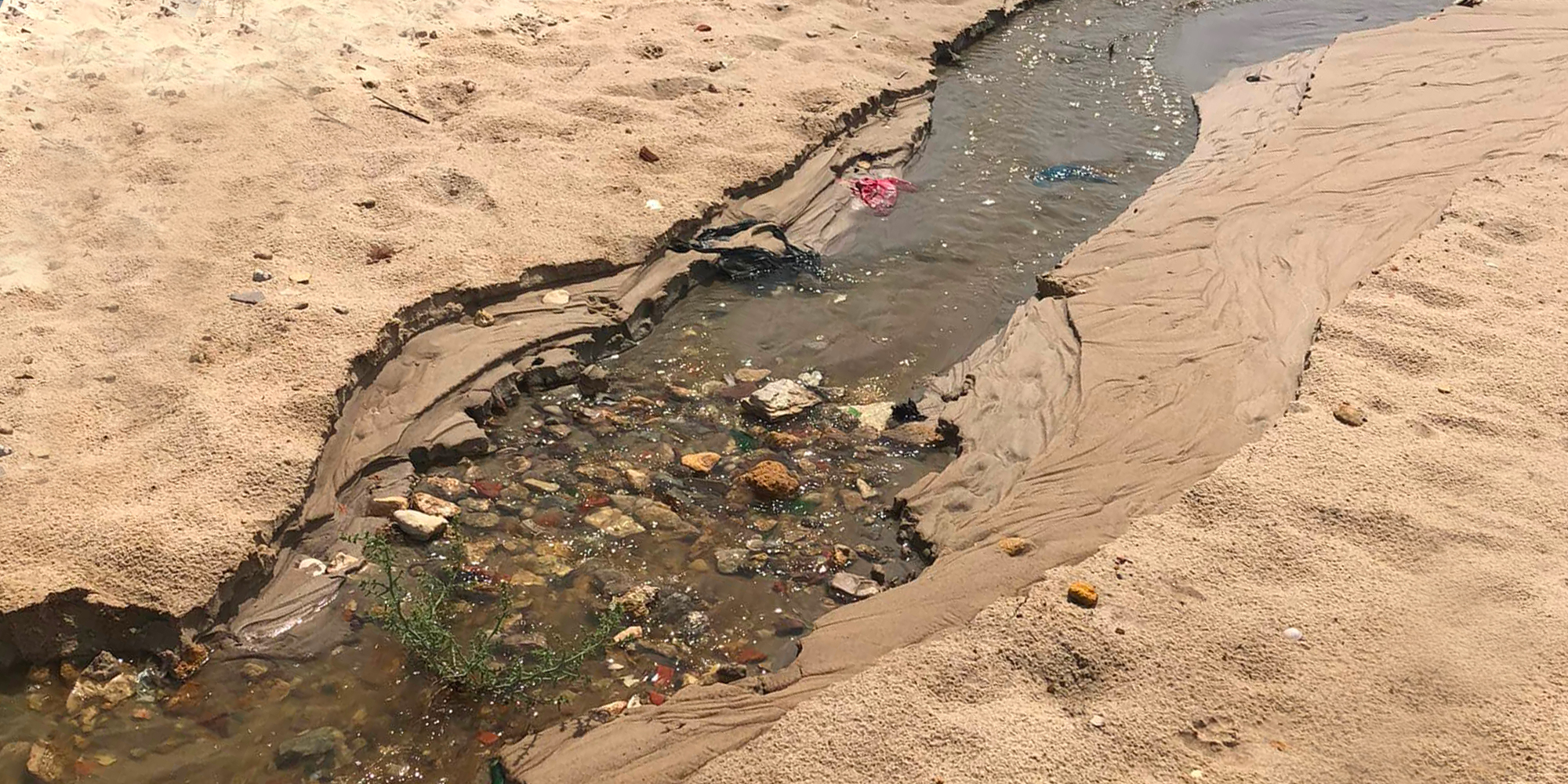
Close to Tazarka, in the governorate of Nabeul, Daroufa is a reputedly idyllic, pristine beach. This summer, Daroufa beach-goers, alarmed by the nauseating odor that sometimes emanates from the sea, gave voice to their concerns on social media. And yet nothing appeared to be out of the ordinary, says Rabeb, a Daroufa regular. The beach is located near the industrial zone called "Mazrâa", and the Sabkha, or wetlands. Not far away, at the beach in El Maâmoura, disenchanted locals film a stream of blackish water that is running into the sea.
Tunisians all along the country’s coast bear witness to the same scenario. "At Qaraiya, Monastir’s most popular beach, it is common to see run-off that is dark-colored and smells of fecal matter. Most of the locals in Monastir as well as visitors from surrounding cities swim in the sea here", says Ahmed Ghedia who serves as secretary general of the environmental association Notre Grand Bleu.
Beach-goers share the same images of sea water pollution on social media. They blame the National Sanitation Utility (ONAS). "The entire coastline has been put into jeopardy by the ONAS’ pollution", affirms Menyara al-Majbri of the environmental justice department at the Tunisian Forum for Economic and Social Rights (FTDES), in an interview with Nawaat.
In their report "Which environmental reality in Tunisia: Environmental rights between violations and daily struggles" (June 2022), the FTDES takes stock of the country’s marine pollution situation. The assessment corroborates citizens’ complaints, citing numerous examples of sea water pollution caused by the ONAS.
In the case of Daroufa, the report offers an explanation for the nauseating odor that wafts in from the sea, pointing out "multiple environmental problems caused by the "Mazrâa" industrial zone which is the site of pollution-producing factories. The latter poorly manage the harmful waste that they produce, discharging it without prior treatment into on-site reprocessing stations, without any regulatory oversight carried out by the National Environmental Protection Agency". With contaminated water being directed straight into the Tazarka wetland, wastewater management along the littoral is demonstrably ineffective.
"This catastrophic ecological situation is exacerbated by the presence of chicken slaughter facilities, factories that use dangerous chemical products and a ONAS treatment facility which collects household wastewater from the cities of Tazarka and Maâmoura. The treatment facility is thus saturated, and resorts to discharging all excess waste—untreated—directly into the sea" the FTDES report reveals. Read More...