Scientists: Modern dogs had two different ancestors
-
 Loading...
 - ellis maisie
- 18 Jul 2022
- 108 Views
- 0 Like
- 0 Comment
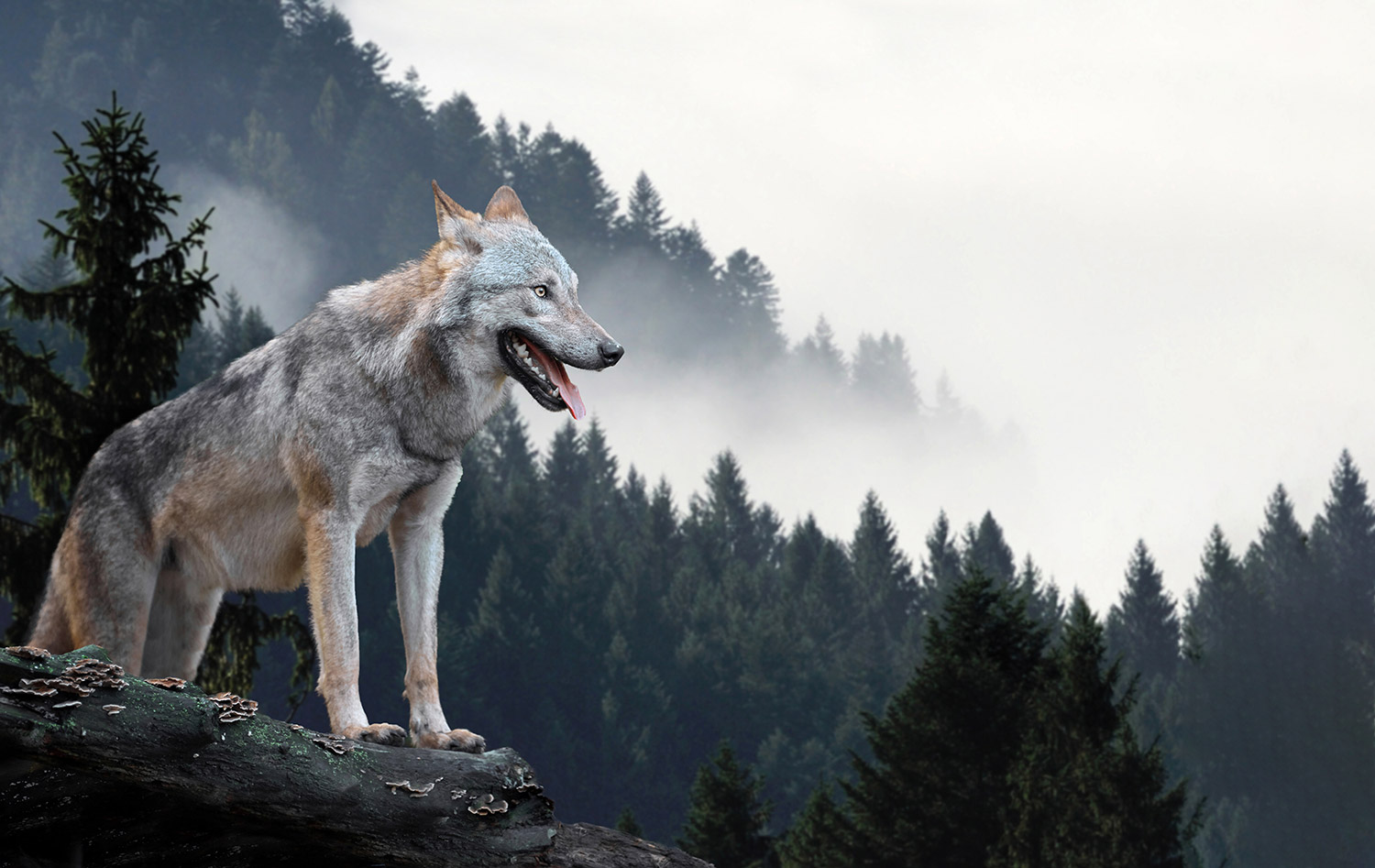
An international team of scientists analyzed 72 genomes of ancient gray predators (about 30,000 generations). The samples were from Europe, Siberia and North America. And none directly coincides with any of the ancestors of modern dogs.
“This means that the exact populations of the ancestors of dogs have yet to be determined,” explains Pavel Kosintsev, senior researcher at the IERiZh laboratories, Ural Branch of the Russian Academy of Sciences and Ural Federal University.
Since none of the modern wolves corresponds to the common ancestor from which the living breeds of dogs descended, the original population was considered extinct. But a test of the genetic material showed that this is not entirely true.
“The descendants of at least two populations of ancient wolves (“East Eurasian” and “Western Eurasian”) have survived and are common among modern dogs, says Kosintsev.
The "Eastern Progenitor" was found to be one hundred percent ancestral to dogs in Siberia, America, East Asia and northeast Europe. And "Western" is 20-60 percent ancestral to early Middle Eastern and African dogs and 5-25 percent to Neolithic and later European dogs.
“Thus, the ancient dogs of Europe either originated from a local population of wolves and later genetically mixed with dogs brought from the east, or domestic dogs from Asia were brought to Europe and mixed with local wolves here,” the scientist sums up. Read More…