Scientists Confirm Kawakawa’s Healing Properties
-
 Loading...
 - iris myanew
- 23 Jan 2023
- 66 Views
- 0 Like
- 0 Comment
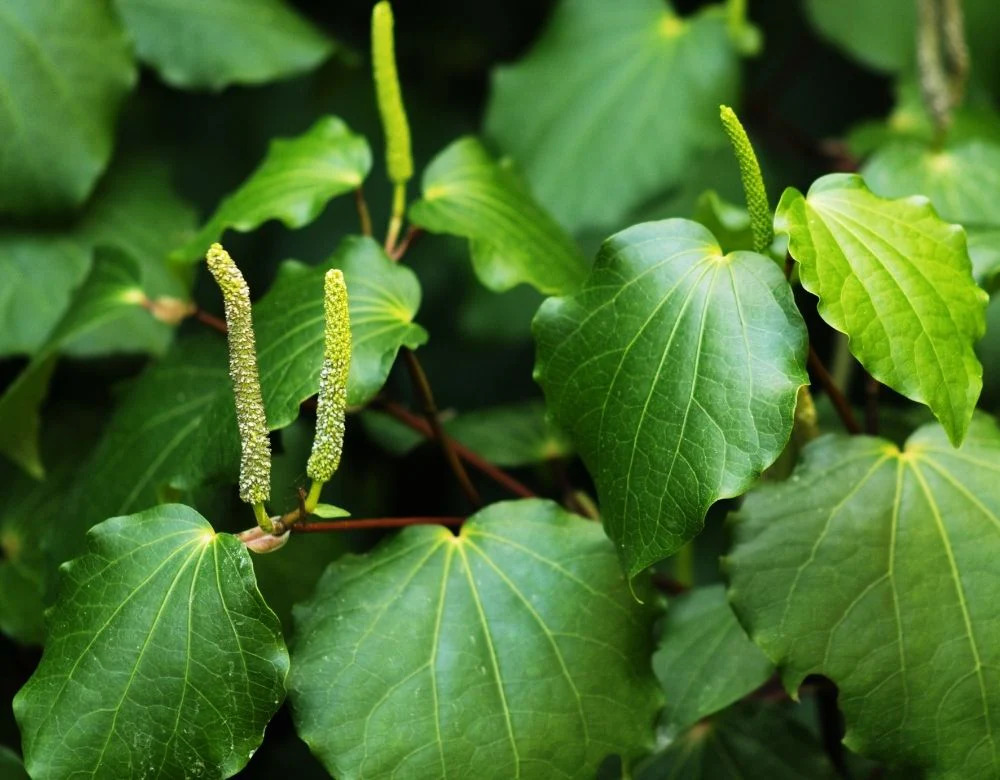
University of Auckland researchers have found more than 60 biologically active compounds in kawakawa leaves.
Aotearoa New Zealand scientists are proving the health effects of kawakawa, a plant revered as taonga and long-used in M?ori medicine or rongo?.
In the latest paper, researchers from Waipapa Taumata Rau, University of Auckland, in partnership with hap?-owned Wakat? Incorporation from Te Tauihu at the north of Te Wai Pounamu, applied liquid chromatography and mass spectrometry to identify the active compounds in the endemic plant’s leaves. See Nutrients.
“Our findings show that kawakawa contains a great diversity and abundance of pharmacologically active metabolites,” says Liggins Institute research fellow Dr Chris Pook.
In rongo? M?ori, kawakawa is used in many ways, including as a topical balm to soothe eczema, boils, bites, stings and grazes, as well as to relieve toothache, gastrointestinal and genitourinary problems.
“The most abundant compound, of more than 60 that we found, was pellitorine, which has numbing effects on the body and could explain its use for pain-relief in rongo? M?ori,” Dr Pook says. Read More…