Say it with a bouquet: Japan's language of flowers

Learn the meanings behind popular flowers in Japan and how different colored blooms can send varying messages. Up your floral and Japanese cultural knowledge with this primer on hana kotoba (flower symbolism) and gift-giving!
Red roses for love, the rose as June’s flower of the month… Although I have an avid interest in everything botanical, before becoming immersed in Japanese culture, I can’t say that I actively engaged with the meanings of flowers beyond the most popular ones above. But, in Japan, as well as sharing similar meanings as those found abroad, flowers have also been bestowed with their own unique cultural definitions. What’s more, this hana kotoba, or flower symbolism, is so widespread that it can be a useful shorthand for conveying a message to another person.
Read on to discover how flower symbolism can help you master the always delicate art of gift-giving in Japan!
Flowers to Give Thanks
Pink Rose
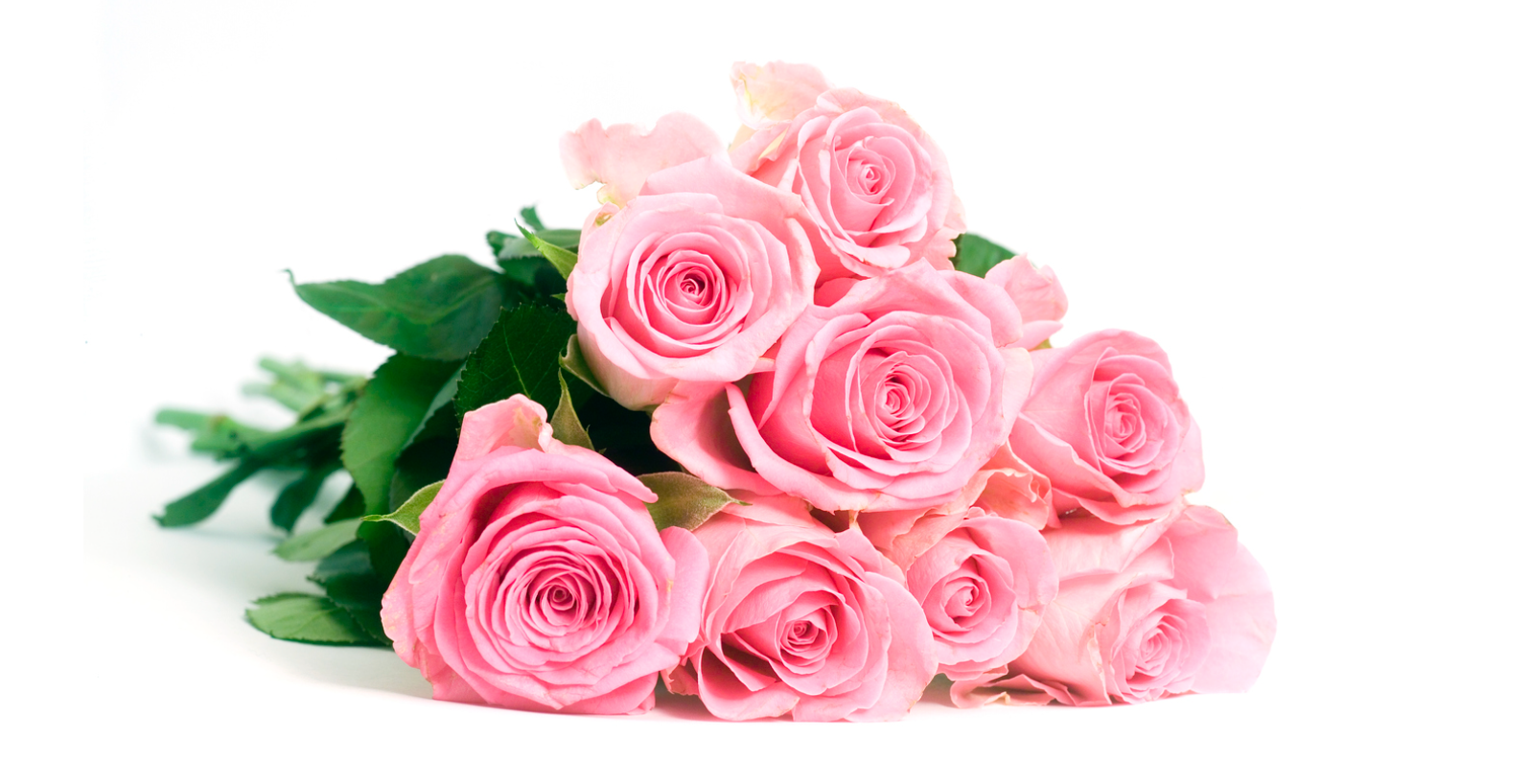
In Japan, pink roses are seen as high in quality and have several meanings, such as graceful or ladylike. But, perhaps the most dominant one is giving thanks! Luckily there is a wide variety of pink roses to choose from in terms of color (salmon or peach or dusty, etc.) and variety (Eden Rose, Blush China Rose, Queen Elizabeth Rose etc.) so it is easy to personalize this gift.
Baby’s Breath
Japan also ascribes multiple meanings to baby’s breath, such as purity and innocence, but a common one is thankfulness. Pair these delicate flowers in a bouquet with pink roses and you will have a present with entirely consistent floral symbolism. What better way to show someone your appreciation than by gifting this power duo!
White Dalia
While the white dalia’s most common meaning is also thanks, its secondary meaning is elegance which makes these flowers both beautiful and refined. As large and rather impressive-looking flowers, they also work well as a high impact present.
Flowers for Family
Carnation
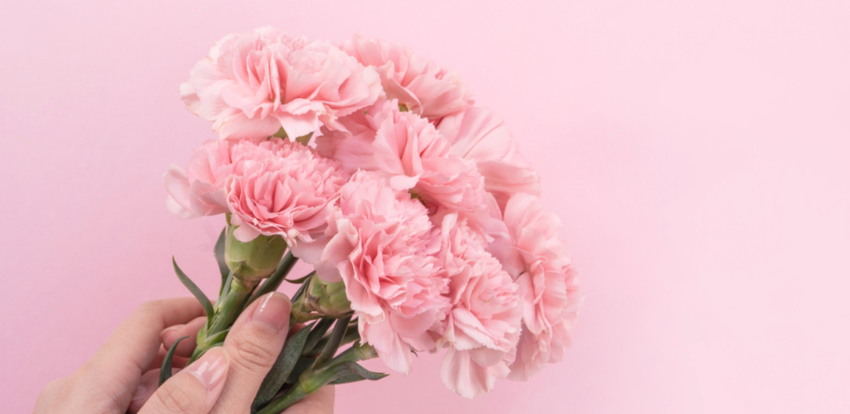
In Japan, the undisputed queen of Mother’s Day is the carnation. Look no further than your local florist or even grocery store to see bundles of carnations prepared in advance for Mother’s Day. More specifically, red carnations, meaning “love for mother” and pink carnations, meaning “a mother’s undying love” and “thanks” are considered traditional.
Yellow Roses
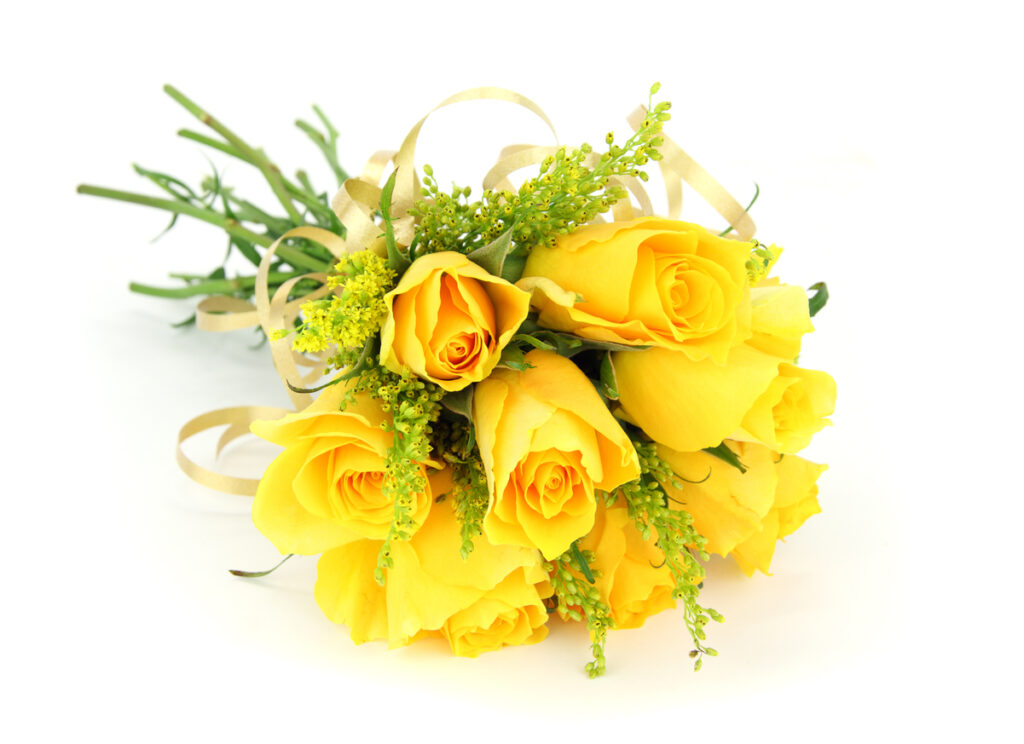
While carnations rule Mother’s Day, yellow roses are considered the standard for Father’s Day. While roses, in general, symbolize love and beauty in Japanese as in English, yellow roses in Japan have the additional meaning of “self-sacrifice” and “friendship”. If roses don’t feel right for your father or father figure, why not consider a Sunflower? Its yellow color, now considered emblematic of Father’s Day, and meaning of love and respect make it a close second in Japan as a floral present for Dad.
Hydrangea
An unexpected choice for all of your close family members, from parents to siblings, are hydrangeas. Symbolic of the rainy season and available in a wide array of pastel colors, hydrangea are an underused flower in bouquets. Beloved in Japan from ancient times, these flowers have various meanings, such as “persevering love,” “family harmony” and “family ties,” which make them a thoughtful gift for your nearest and dearest.
Flowers for Love
Red Rose
As in the English-speaking world, red roses symbolize passion and romantic love making them the most popular flower gift for lovers in Japan.
Gerbera
Also known as African Daisies, these bright and lively flowers are said to mean “ardent love” and “optimism”. As such, they are an ideal replacement for or addition to roses for special romantic occasions like proposals! Particularly fitting are yellow gerbera symbolizing ultimate love and beauty, white gerbera with the meaning of hope and red gerbera which signal the way forward and passionate love.
Tulip
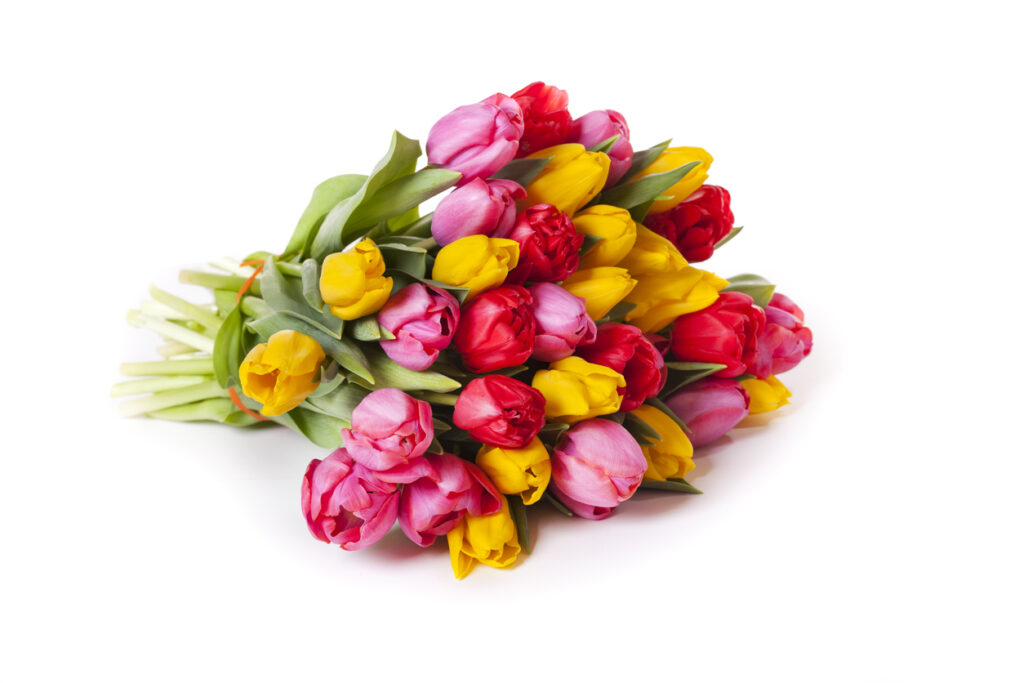
Happy springtime tulips also make a lovely romantic gift as long as you pay attention to color! Red tulips, with hana kotoba of love confession and true love, pink tulips meaning “love has sprouted” and true love, and purple tulips which profess “undying love” would all be beautiful choices together or as a single color bouquet. However, do avoid white tulips symbolizing lost love!
Daisy
In English, daisies are said to symbolize secret or mysterious love, perhaps related to their centrality to the “he loves me, he loves me not” fortune-telling game. But, in Japan, the different daisy colors tell similar but slightly different romantic stories. White daisies are said to represent a love hidden in your heart, pink daisies are for true love, while yellow daisies mean physical beauty.
Flowers for Friendship
Geranium
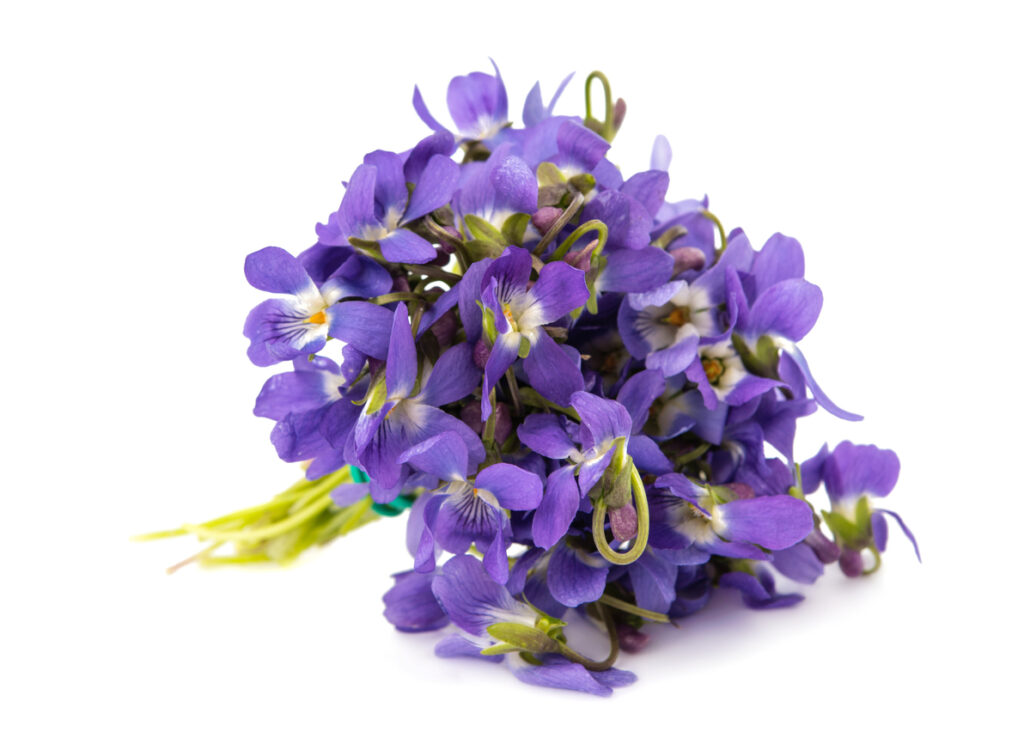
Rather than as cut flowers, geranium are a beautiful plant to gift a friend. Very resistant to pests with large colorful blooms, these flowers, which are said to represent true friendship, would make a perfect way to thank your best bud.
Lilac
Known for its delicate purple color and sweet smell, a branch of a lilac bush would make an impactful offering to a platonic pal. In Japan, Lilacs celebrate friendship referencing “treasured friend”, “remembrance” or “memory”.
Acacia
Also called Mimosa, these bright and vivacious springtime blooms would be a lovely present to receive. The meanings ascribed to it in Japan, such as friendship and elegance, make these flowers an ideal gift for a good friend. Do let it be known though: in English lore, they are ascribed with the symbolism of secret love! Read More...