Home Upload Photo Upload Videos Write a Blog Analytics Messaging Streaming Create Adverts Creators Program
Bebuzee Afghanistan Bebuzee Albania Bebuzee Algeria Bebuzee Andorra Bebuzee Angola Bebuzee Antigua and Barbuda Bebuzee Argentina Bebuzee Armenia Bebuzee Australia Bebuzee Austria Bebuzee Azerbaijan Bebuzee Bahamas Bebuzee Bahrain Bebuzee Bangladesh Bebuzee Barbados Bebuzee Belarus Bebuzee Belgium Bebuzee Belize Bebuzee Benin Bebuzee Bhutan Bebuzee Bolivia Bebuzee Bosnia and Herzegovina Bebuzee Botswana Bebuzee Brazil Bebuzee Brunei Bebuzee Bulgaria Bebuzee Burkina Faso Bebuzee Burundi Bebuzee Cabo Verde Bebuzee Cambodia Bebuzee Cameroon Bebuzee Canada Bebuzee Central African Republic Bebuzee Chad Bebuzee Chile Bebuzee China Bebuzee Colombia Bebuzee Comoros Bebuzee Costa Rica Bebuzee Côte d'Ivoire Bebuzee Croatia Bebuzee Cuba Bebuzee Cyprus Bebuzee Czech Republic Bebuzee Democratic Republic of the Congo Bebuzee Denmark Bebuzee Djibouti Bebuzee Dominica Bebuzee Dominican Republic Bebuzee Ecuador Bebuzee Egypt Bebuzee El Salvador Bebuzee Equatorial Guinea Bebuzee Eritrea Bebuzee Estonia Bebuzee Eswatini Bebuzee Ethiopia Bebuzee Fiji Bebuzee Finland Bebuzee France Bebuzee Gabon Bebuzee Gambia Bebuzee Georgia Bebuzee Germany Bebuzee Ghana Bebuzee Greece Bebuzee Grenada Bebuzee Guatemala Bebuzee Guinea Bebuzee Guinea-Bissau Bebuzee Guyana Bebuzee Haiti Bebuzee Honduras Bebuzee Hong Kong Bebuzee Hungary Bebuzee Iceland Bebuzee India Bebuzee Indonesia Bebuzee Iran Bebuzee Iraq Bebuzee Ireland Bebuzee Israel Bebuzee Italy Bebuzee Jamaica Bebuzee Japan Bebuzee Jordan Bebuzee Kazakhstan Bebuzee Kenya Bebuzee Kiribati Bebuzee Kuwait Bebuzee Kyrgyzstan Bebuzee Laos Bebuzee Latvia Bebuzee Lebanon Bebuzee Lesotho Bebuzee Liberia Bebuzee Libya Bebuzee Liechtenstein Bebuzee Lithuania Bebuzee Luxembourg Bebuzee Madagascar Bebuzee Malawi Bebuzee Malaysia Bebuzee Maldives Bebuzee Mali Bebuzee Malta Bebuzee Marshall Islands Bebuzee Mauritania Bebuzee Mauritius Bebuzee Mexico Bebuzee Micronesia Bebuzee Moldova Bebuzee Monaco Bebuzee Mongolia Bebuzee Montenegro Bebuzee Morocco Bebuzee Mozambique Bebuzee Myanmar Bebuzee Namibia Bebuzee Nauru Bebuzee Nepal Bebuzee Netherlands Bebuzee New Zealand Bebuzee Nicaragua Bebuzee Niger Bebuzee Nigeria Bebuzee North Korea Bebuzee North Macedonia Bebuzee Norway Bebuzee Oman Bebuzee Pakistan Bebuzee Palau Bebuzee Panama Bebuzee Papua New Guinea Bebuzee Paraguay Bebuzee Peru Bebuzee Philippines Bebuzee Poland Bebuzee Portugal Bebuzee Qatar Bebuzee Republic of the Congo Bebuzee Romania Bebuzee Russia Bebuzee Rwanda Bebuzee Saint Kitts and Nevis Bebuzee Saint Lucia Bebuzee Saint Vincent and the Grenadines Bebuzee Samoa Bebuzee San Marino Bebuzee São Tomé and Príncipe Bebuzee Saudi Arabia Bebuzee Senegal Bebuzee Serbia Bebuzee Seychelles Bebuzee Sierra Leone Bebuzee Singapore Bebuzee Slovakia Bebuzee Slovenia Bebuzee Solomon Islands Bebuzee Somalia Bebuzee South Africa Bebuzee South Korea Bebuzee South Sudan Bebuzee Spain Bebuzee Sri Lanka Bebuzee Sudan Bebuzee Suriname Bebuzee Sweden Bebuzee Switzerland Bebuzee Syria Bebuzee Taiwan Bebuzee Tajikistan Bebuzee Tanzania Bebuzee Thailand Bebuzee Timor-Leste Bebuzee Togo Bebuzee Tonga Bebuzee Trinidad and Tobago Bebuzee Tunisia Bebuzee Turkey Bebuzee Turkmenistan Bebuzee Tuvalu Bebuzee Uganda Bebuzee Ukraine Bebuzee United Arab Emirates Bebuzee United Kingdom Bebuzee Uruguay Bebuzee Uzbekistan Bebuzee Vanuatu Bebuzee Venezuela Bebuzee Vietnam Bebuzee World Wide Bebuzee Yemen Bebuzee Zambia Bebuzee Zimbabwe
Blog Image

Saving Venezuela's Orinoco Crocodile from Extinction

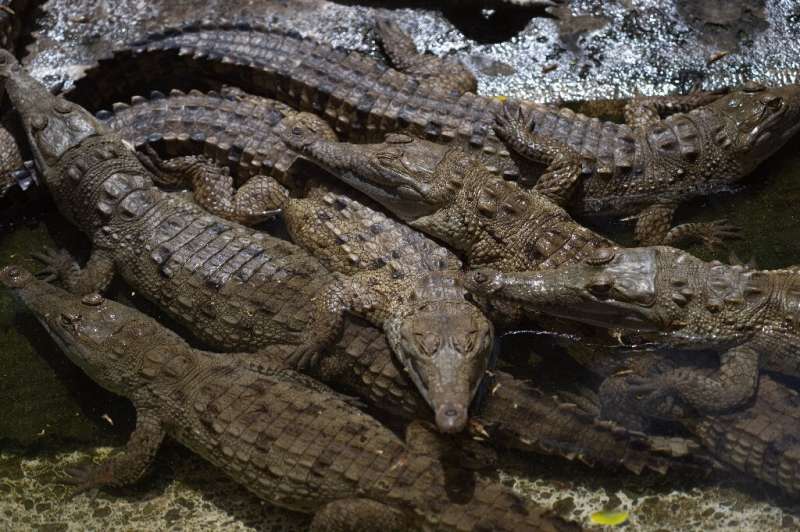
Venezuela's Orinoco Crocodile, known scientifically as Crocodylus intermedius, was hunted to the brink of extinction in the 20th century. These enormous reptiles, which can grow over six meters in length and weigh more than 400 kilograms, were primarily hunted for their skins, resulting in millions being slaughtered.

According to the Fudeci natural sciences foundation in Venezuela, only about 100 adult females remain in the country. The Orinoco Crocodile is native to the Orinoco basin shared by Venezuela and Colombia. It is one of the largest crocodiles in the world and is currently classified as critically endangered by the International Union for Conservation of Nature.

Although the trade of Orinoco Crocodile skins has been banned, they continue to face threats, including hunting for their eggs and meat, as well as habitat destruction caused by pollution and human development.

To address this issue, conservationists started breeding new crocodiles in captivity in 1990. Although more than 10,000 of these crocodiles have been released back into the wild, their numbers have not increased significantly. Conservationist Federico Pantin, who manages the Leslie Pantin breeding zoo with his wife Tuenade Hernandez, stated that breeding efforts alone are not enough. There must be protection, surveillance, and environmental education to save these animals from extinction.

The Leslie Pantin breeding zoo, located in the northern state of Aragua, is one of several crocodile breeding centers in the country. Recently, the zoo released 160 hatchlings, bred from a captive breeding pair, into the Capanaparo River. The eggs are incubated for about 90 days, buried in sand at a specific depth and temperature, and with a specific level of humidity.
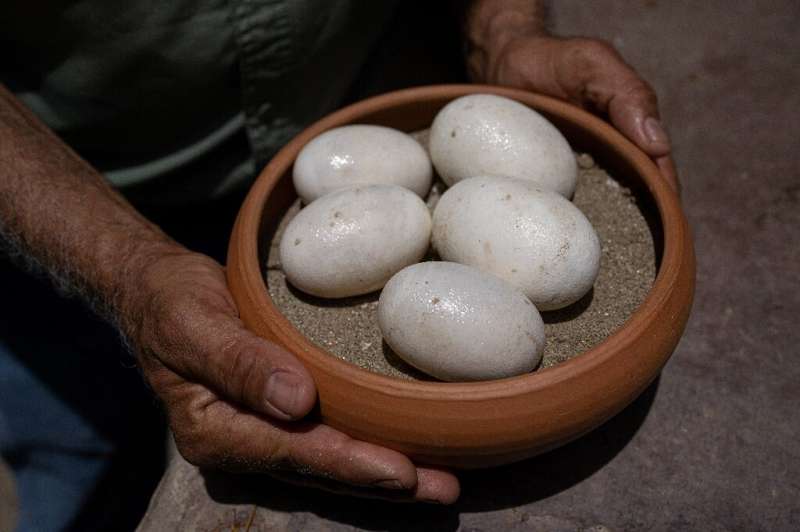
The Orinoco Crocodile is critically endangered, and conservationists  nurture them for 90 days after they hatch before releasing

Due to the high rate of predation in their natural environment, 95% of the hatchlings raised in captivity survive. Zoo staff also capture free-born baby crocs in the river to raise them in relative safety.

The Pantin Zoo not only conserves Orinoco Crocodiles but also works to conserve other threatened species, including the Red Siskin finch, stubfoot toad, and wood turtle. By instilling a natural stewardship mindset in visiting school groups, the zoo hopes to sow the seeds of conservation at a young age.

If locals and Indigenous communities can be convinced to view these crocodiles as a source of income through tourism, it could provide a conservational side benefit, according to Diego Bilbao, the director of Rio Verde, a company that organizes tours to witness the annual release of young crocs.


Previous Post

Snake season is coming to an end. But where do the reptiles actually go, and do they hibernate?

Next Post

Protecting the world’s oceans – an important success of Germany’s climate diplomacy

Comments