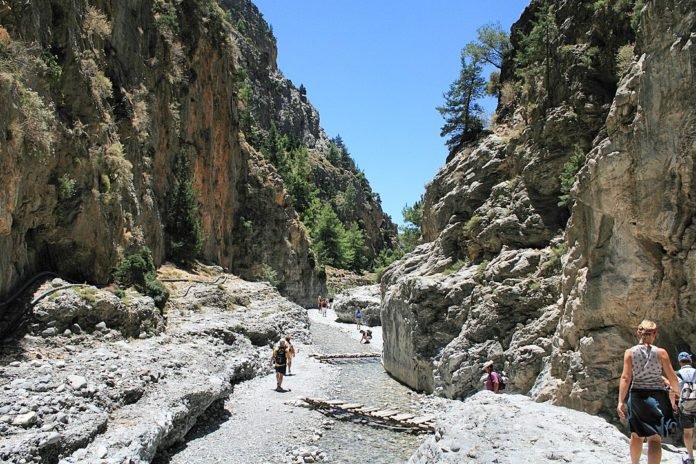
Samaria Gorge: Hiking on the Island of Crete

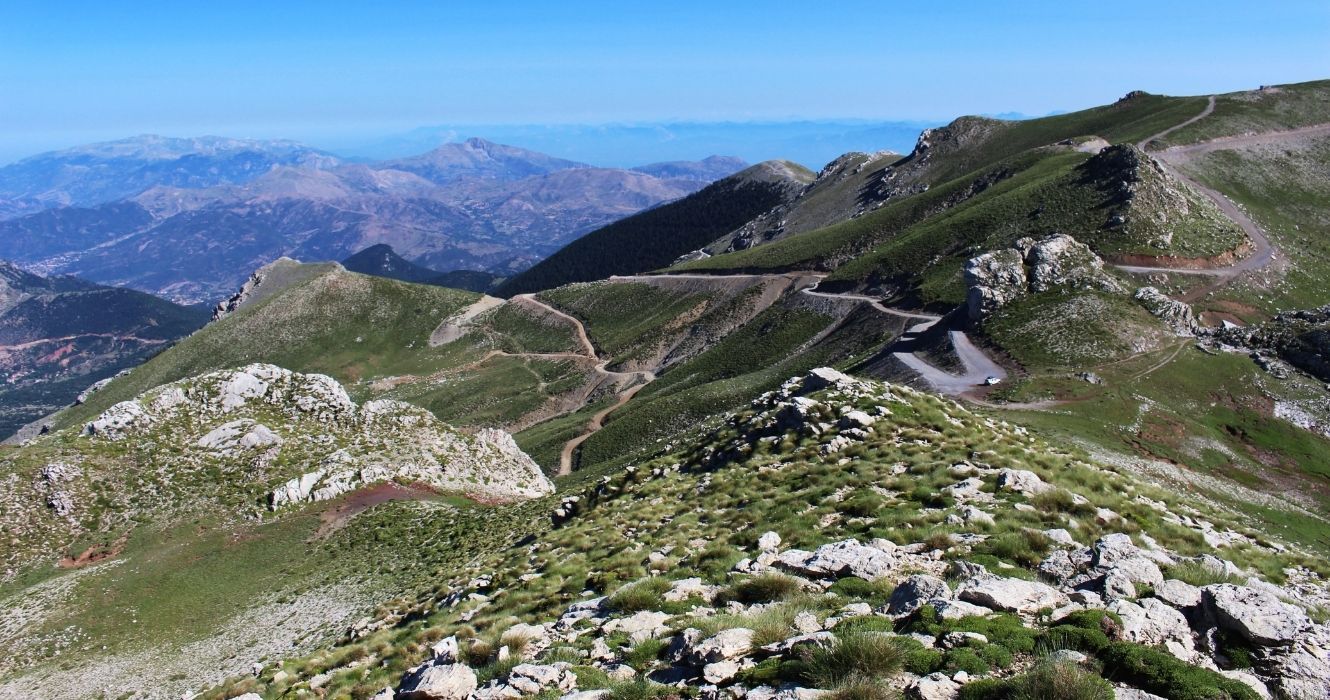
The 15 kilometer (10 mile) long walk takes you through a stunning UNESCO Biosphere Reserve and some of the most unique scenery to be found in the entirety of Greece.
The second-largest gorge in Europe
Samaria Gorge can be found near the city of Chania on the island of Crete, and visitors can get to it just by taking a pleasant hour-long bus ride. Private cars are not convenient at all for this journey as the hike is long and ends very far away from the starting point.
The gorge was formed by a small river which runs between the White Mountains and Mount Volakias. Although there are many gorges on Crete, Samaria Gorge is by far the largest, and is known for being the second-largest gorge in Europe.
The village of Samaria used to be located inside of the gorge, but was finally abandoned by the last remaining inhabitants in 1962 to make way for the Samaria Gorge Park. The village and the gorge take their names from the village’s ancient church, Óssia María.
A notable feature of the gorge on Crete is that it is home to a number of native species, including the Cretan kri-kri goat. Almost all of the kri-kri goats who live outside of captivity call Samaria Gorge their home, making the area a very special one for animal conservationists.
The kri-kri was so endangered in 1960 that there was a total population of below 200 at the time. This low number of individuals may have been due to its being the only meat available to mountain-based guerrilla fighters during the German occupation in World War II.
The kri-kri’s status was one reasons why Samaria Gorge became a national park in 1962.
Unfortunately, the kri-kri is still under threat today, with a total population of only around 2,000 individuals. However, you may be able to spot one of the incredibly rare goats on your hike of the Samaria!
Hiking Samaria Gorge
The head of the Gorge is at Xyloskalo, a small village which offers some options for food and drink before brave walkers take on the long and strenuous day ahead. There is an entrance fee to the gorge of €5 ($6), and from then on hikers have their day cut out for them.
The gorge is only open to hike through during the warmer spring and summer months. This is partly because it becomes dangerous and difficult to navigate when it rains, so it is important for visitors to keep an eye on the weather forecast when planning a hike.
The walking path ends at a quaint village named Agia Roumeli, nestled between the gorge and the Libyan Sea. Following such a long excursion, people will often opt to spend a night in Agia Roumeli itself or even one of the villages of Sougia or Hora Sfakion, which are just a short boat ride away. Alternatively, hikers can make their way back to Chania by coach.
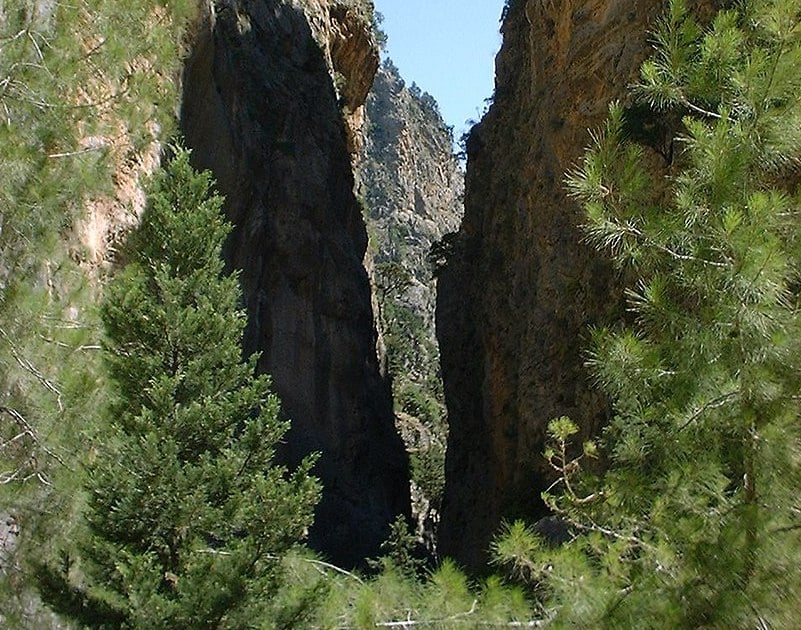
One of the most showstopping parts of hiking Samaria Gorge is a stretch of the trail referred to as “the Gates.” This aptly-named part of the impressive hike denotes a slightly claustrophobic but impressive area where the sides of the gorge close in, leaving a gap of only four meters (13 feet) for hikers to slip through. This creates a lasting effect on those who navigate it, particularly as the gorge walls also reach straight up to 300 meters (980 feet) along this stretch. Read More…