RSF Leader’s verbal attacks targets parties in Sudan and abroad
-
 Loading...
 - Harriet Nyabuto
- 11 Oct 2024
- 56 Views
- 0 Like
- 0 Comment
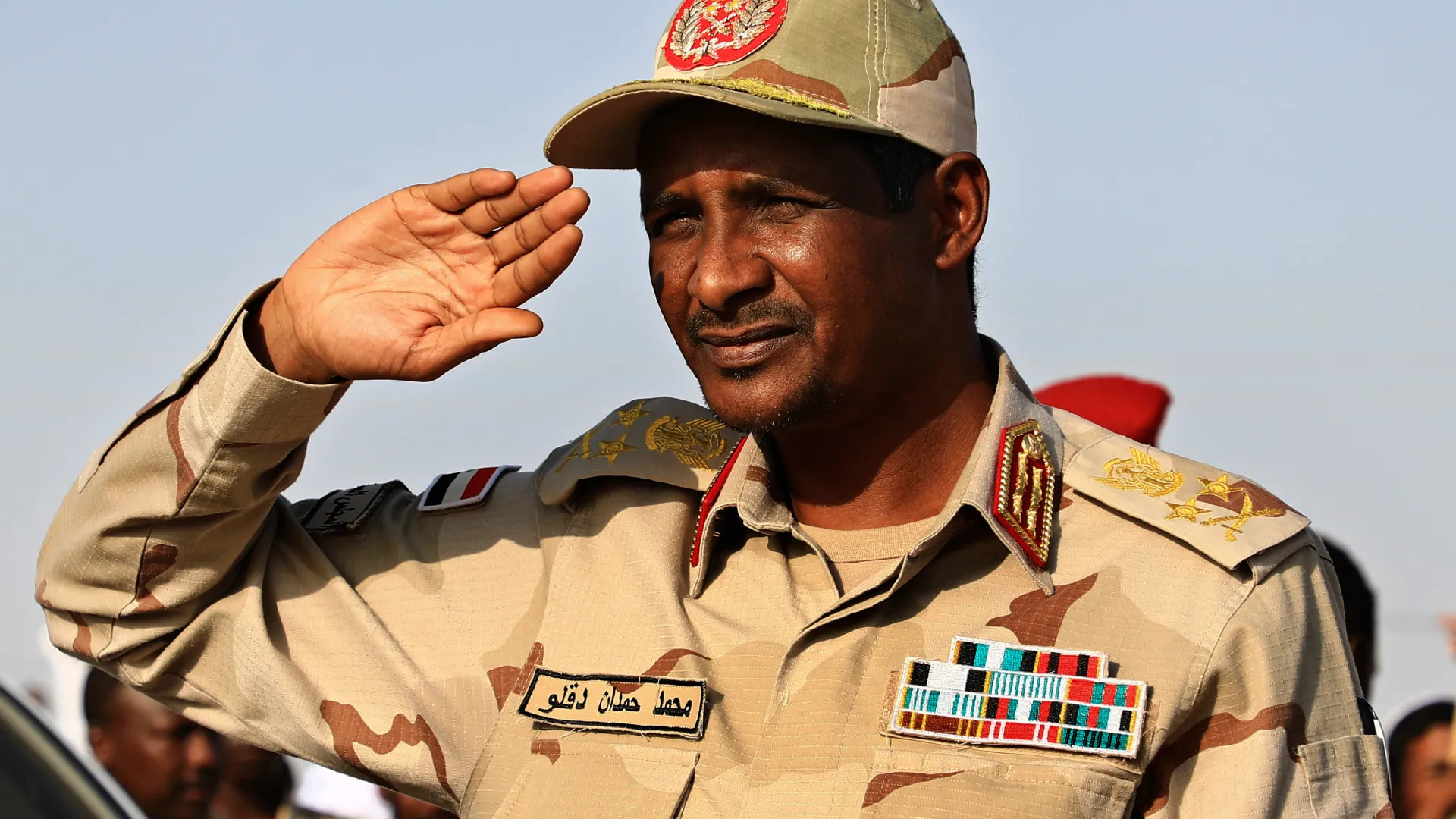
Sudan's Rapid Support Forces (RSF) leader, Lt. Gen. Mohamed "Hemedti" Dagalo, launched a scathing verbal attack in a 40-minute video shared on X (formerly Twitter), targeting multiple figures and countries involved in the ongoing conflict within and around Sudan. His most pointed criticisms were aimed at Lt. Gen. Abdelfattah El Burhan, the leader of the Sovereign Council and the Sudanese Armed Forces (SAF), accusing him of being manipulated by Islamist groups. Hemedti also lashed out at Finance Minister Jibril Ibrahim, Darfur Governor Minni Minawi, and Islamist leaders like Ali Karti, alleging corruption and betrayal.
Hemedti's accusations extended beyond Sudan’s borders, particularly against Egypt, Saudi Arabia, and the USA, accusing Egypt of directly intervening in the conflict by using Egyptian warplanes equipped with US explosives to assist the Sudanese army, specifically in the battle of Jebel Moya. He also criticized the 2022 Framework Agreement, which he claimed sparked the current conflict, stating that he had warned the USA, Saudi Arabia, and the United Nations of the impending danger.
Jibril Ibrahim, head of the Justice and Equality Movement and Sudan's Finance Minister, dismissed Hemedti’s remarks as a “declaration of defeat,” claiming that the RSF leader was attempting to shift blame after realizing the failure of his ambitions. Ibrahim suggested that Hemedti had unintentionally signaled the collapse of his forces.
In his attack on El Burhan, Hemedti accused the SAF chief of allowing the Islamist movement, led by Ali Karti and Osama Abdallah, to manipulate him, leading to both the October 2021 military coup and the June 3, 2019, sit-in massacre. He also blamed El Burhan for initiating the current war and attempting to undermine Lt. Gen. Shamseldin Kabashi.
In response, Egypt's Foreign Ministry categorically denied Hemedti's accusations of involvement in the war, asserting that Egypt is actively working with international partners to end the conflict and provide humanitarian aid to Sudan.
Meanwhile, Ibrahim Ghandour, a prominent Islamist and former Foreign Affairs Minister, called for the return of leadership from the dissolved National Congress Party (created by ex-dictator Omar Al Bashir) to facilitate a peace agreement and stabilize the country.
This intense exchange marks a significant escalation in the ongoing power struggle in Sudan, highlighting deep divisions between rival factions as the country grapples with its future amid a prolonged and bloody conflict.