Rising interest rates and benchmark prices loom over the housing market this year

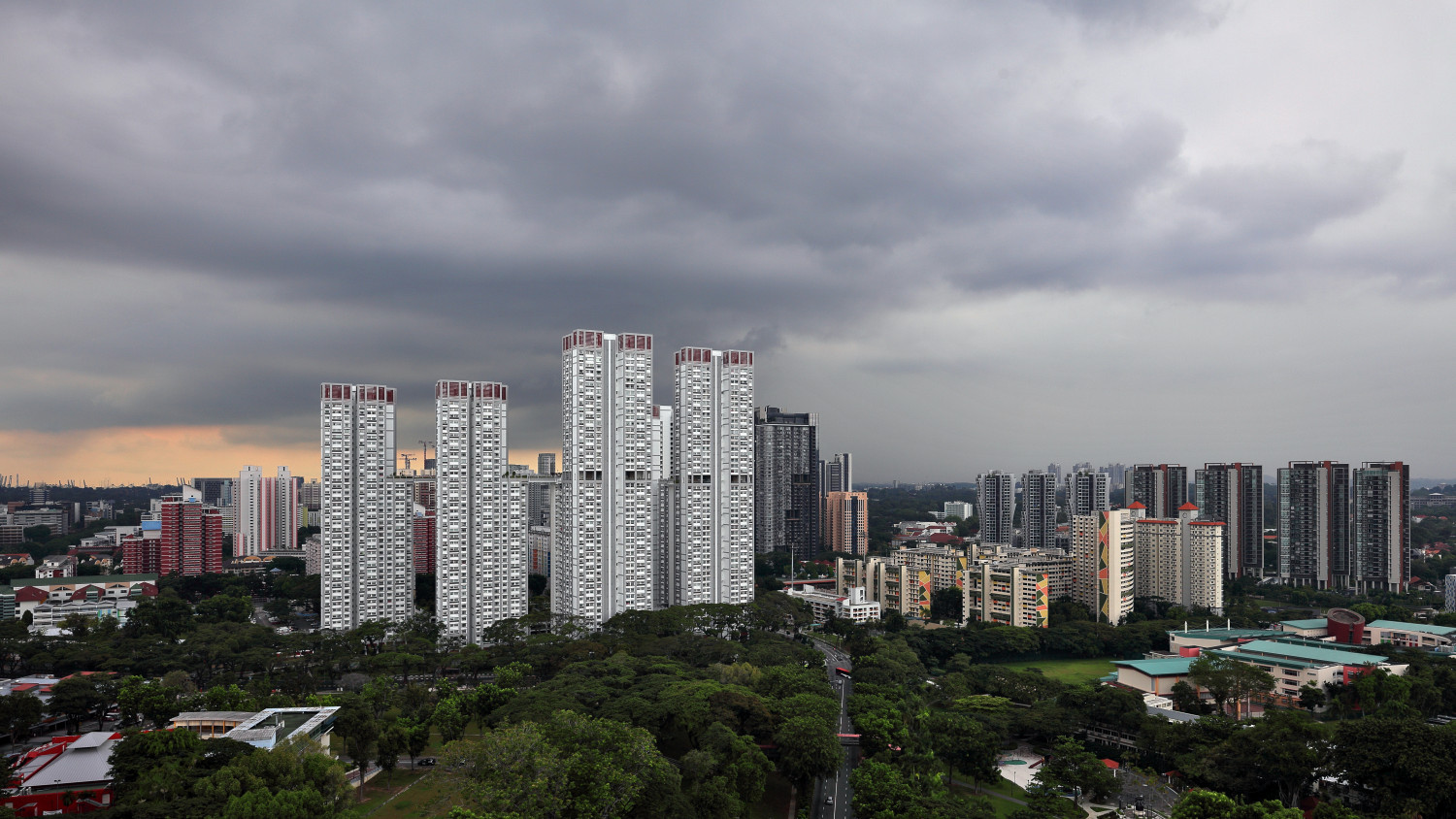
Two issues that may concern home buyers this year will be the increase in interest rates over the next few months, as well as higher benchmark prices for upcoming new launch private residential projects in Singapore.
Multiple rounds of property cooling measures introduced by the government over the past few years have raised minimum capital requirements for aspiring property investors in Singapore. The government says that the cooling measures were rolled out to match property price growth with economic fundamentals.
Given these prevailing market conditions, HDB and private residential homeowners who plan to upgrade this year may find it more challenging to move up the property ladder or invest in residential real estate.
Sell one, buy two
A common investment strategy that was pitched to many homeowners a few years ago was the “sell one, buy two” approach. This called on owners to sell their existing property and take advantage of a spike in residential property prices at that time and realise capital gains from the sale.
These gains would then be reallocated to a replacement home, with a portion sunk into an investment property for rental income. Ray Teo, advisory branch district director at PropNex Realty, considers it a risky investment strategy.
“This type of investment approach works best for people who are generally under-invested, such as those who are sitting on a fully paid property and have no other investments. This type of investment approach is also best framed as a portfolio restructuring,” he says.
Portfolio restructuring is not as straightforward as it sounds, especially under the prevailing market conditions, notes Teo. It is also dependent on an individual’s credit history.
“Property investing is traditionally viewed as a gradual snowball effect, where a few choice properties appreciate over a relatively long period of time,” says Teo. “It’s important to let the investment grow over time, rather than cashing out after holding the property for a short period of time.”
Investment barriers to entry raised
A lasting effect of prevailing property cooling measures has been to increase the barriers to entry for individuals who aspire to invest in residential property in Singapore.
For example, the latest round of property cooling measures that were rolled out in December 2020 saw the additional buyer’s stamp duty (ABSD) for Singaporeans purchasing their second property go up to 17% from 12%. For the third and subsequent properties, it is now 25%, up from 15%. The ABSD for foreigners has also been hiked to 30% from 20%.
“If you consider investing in the residential real estate market and acquiring an investment property, it is getting more difficult due to the increase in the ABSD as well as reduction in the total debt servicing ratio [TDSR] to 55% from 60% before. These definitely impact the ability to invest in residential properties in Singapore,” says Teo.
However, there are alternative property types that locals may choose to invest in, such as some commercial and industrial properties, he points out.
“There are attractive investment opportunities keen investors could explore. But these alternative assets also come with their own set of risks,” he adds. For instance, the pool of buyers of strata commercial and industrial space is smaller compared to residential. Hence, trying to offload the property in the future may pose some challenges. Read More…