Review of "The Absolute at Large" by Karel Čapek
-
 Loading...
 - Flavia Donato
- 17 Dec 2024
- 34 Views
- 0 Like
- 0 Comment
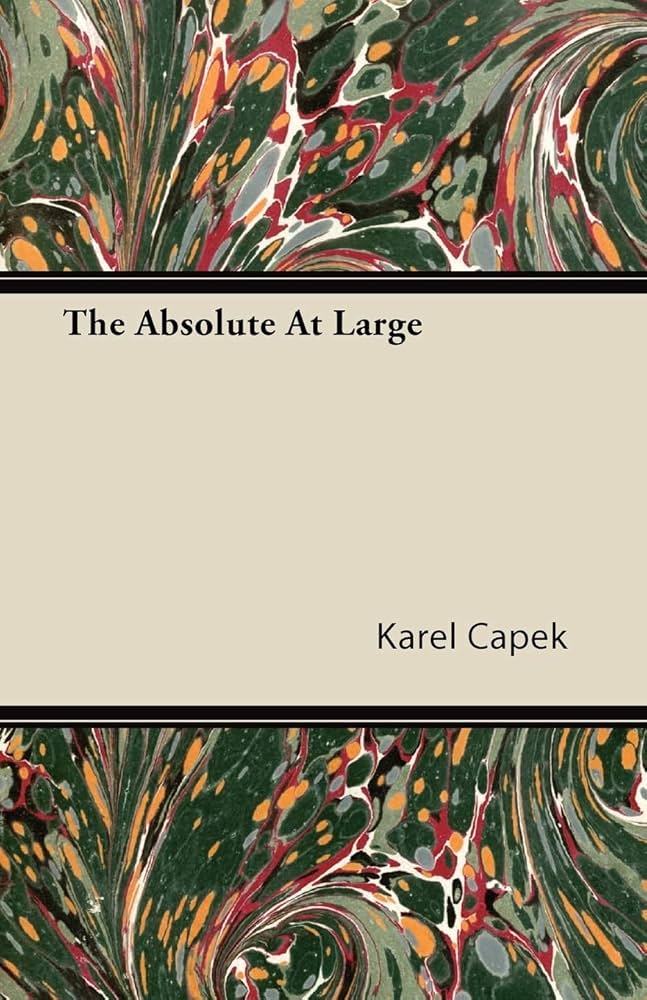
Karel Čapek's "The Absolute at Large," first published in 1922, is a thought-provoking science fiction novel that explores themes of technology, philosophy, and the human condition. Known for his pioneering contributions to the genre, Čapek's work often delves into the implications of scientific advancements on society, and this novel is no exception.
The story revolves around the invention of a machine called the "Absolute," which is designed to produce an unlimited amount of energy. However, the machine inadvertently releases a powerful force that begins to affect human consciousness. As people come into contact with this energy, they experience profound changes in their perception of reality, leading to a series of bizarre and often humorous events.
The narrative follows several characters, including a young inventor named George, who grapples with the consequences of his creation. As the Absolute spreads its influence, society begins to unravel, revealing the fragility of human existence and the complexities of free will. The novel is set against the backdrop of post-World War I Europe, a time of great uncertainty and upheaval, which adds depth to the characters' struggles.
One of the central themes of "The Absolute at Large" is the relationship between technology and humanity. Čapek raises important questions about the ethical implications of scientific progress and the potential dangers of unchecked innovation. The Absolute, while initially seen as a miraculous invention, ultimately becomes a source of chaos and confusion, reflecting the dual nature of technology as both a tool for advancement and a potential threat to human values.
The novel also explores the concept of existentialism, as characters confront their own identities and the nature of reality. The effects of the Absolute lead to a reevaluation of what it means to be human, as individuals grapple with the loss of control over their thoughts and actions. Čapek's use of humor and satire serves to highlight the absurdity of the situation, making the philosophical inquiries more accessible to readers.
Čapek's writing is characterized by its clarity and wit, making complex ideas engaging and thought-provoking. The narrative is interspersed with philosophical musings and dialogues that encourage readers to reflect on the implications of the story. The structure of the novel, with its multiple perspectives and intertwining plotlines, adds richness to the narrative and allows for a comprehensive exploration of its themes.
"The Absolute at Large" is a compelling and insightful work that remains relevant in today's technological landscape. Karel Čapek's ability to blend science fiction with philosophical inquiry creates a narrative that challenges readers to consider the impact of innovation on society and the individual. With its blend of humor, existential reflection, and social commentary, the novel is a must-read for fans of speculative fiction and those interested in the ethical dilemmas posed by scientific advancement. Čapek's foresight and creativity continue to resonate, making "The Absolute at Large" a timeless exploration of the human experience in the face of progress.