Research Art is Everywhere. But Some Artists Do It Better Than Others.
-
 Loading...
 - Abril Eliana
- 09 Mar 2023
- 71 Views
- 0 Like
- 0 Comment
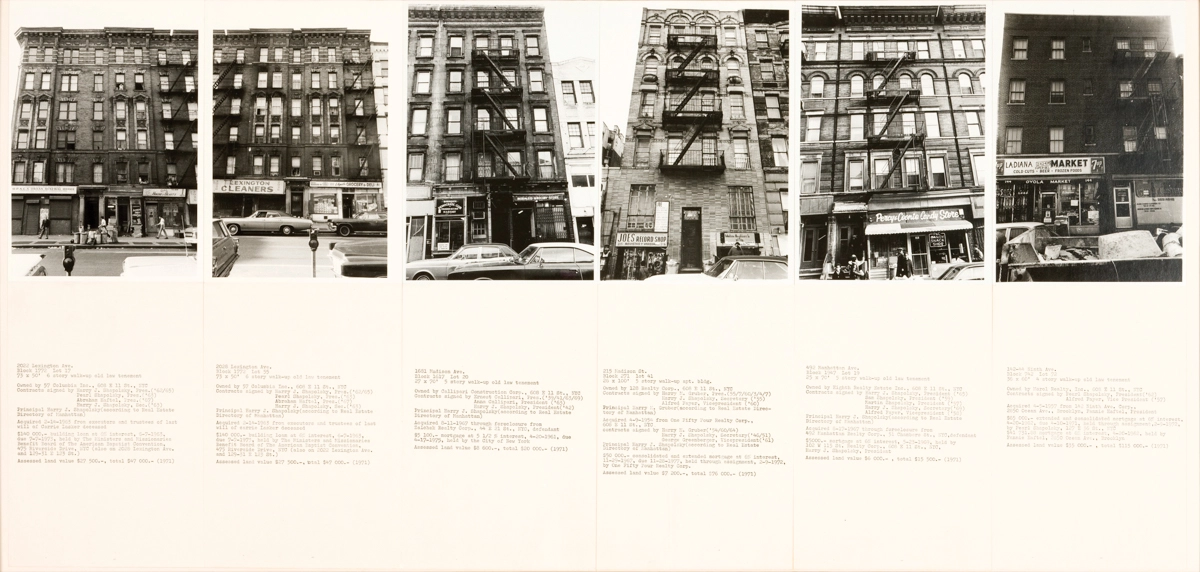
“Research,” art historian Tom Holert wrote in Artforum in 2010, “is increasingly the stuff of which art is made.” His comment is confirmed by a number of observations made by globe-trotting art critics. Claire Bishop characterized research-based art as “a hallmark of Western biennials” in her review of the Havana Biennial in 2009. Susanne von Falkenhausen lamented the “didactic overkill” of research-based art in her review of Documenta 13 in 2012. Last year, in these pages, Emily Watlington remarked on the “umpteen didactic, research-based works” in her review of the Berlin Biennale.
How did this come to be? On the institutional front, art schools have been establishing programs and centers for “artistic research” and “research-creation,” particularly in Canada and across Europe, for more than 20 years. In 1997 the Academy of Fine Arts in Helsinki established an early notable doctoral program for artists; two decades later, PhD degrees in art are available in multiple countries. Globally renowned curators such as Catherine David, Okwui Enwezor, Carolyn Christov-Bakargiev, and Ute Meta Bauer made their careers organizing large-scale international exhibitions often laden with research-based art and organized within a curatorial framework predicated on theory. Now, there are professional artists with research-based practices teaching their students various research methodologies and encouraging the production of yet more research-based works. Read More..