Renting an apartment or home? Here is what real estate experts say you need to know
-
 Loading...
 - Richard Patterson
- 12 Apr 2022
- 321 Views
- 0 Like
- 0 Comment
Rental prices have rebounded well above their pandemic lows and are now among the major inflation pain points for American consumers, along with food and gas prices. Several factors have contributed to the rising rents, including low housing inventories. It is a vicious cycle: less inventory drives up home prices and results in more potential homebuyers opting to rent, which in turn drives up rental prices.
Take New York City as an example. Data provided by StreetEasy shows a dramatic rise in its housing market. As of February, Manhattan rents are up 36% year over year, with rents up over 15% in the outer boroughs of Brooklyn and Queens. But surging rent isn’t confined to metropolitan areas. Demand for single-family rental homes is soaring as rents gained a record 12.6% year over year in January, according to a recent report from CoreLogic.
The current real estate market dynamics make it all the more important to know your budget and have all your documents ready as the first steps when beginning a housing search.
Figuring out a housing budget
When it comes to deciding how much you want to pay for a new place, knowing what you can afford is crucial. People need to consider more than just the monthly rent when creating a budget, according to Sophia Bera, a certified financial planner and founder of Austin, Texas-based Gen Y Planning. “People need to tally up their current expenses,” Bera said. “Do they have any monthly expenses, like student loans, credit card debt or car payments?”
She recommends using a rent calculator, like the one available at rentcafe.com. People can enter the zip code they are searching for a rental within, their monthly income, preexisting debts, and the site will recommend a budget. A good rule of thumb for renters is to spend around 30% of monthly take-home income on rent, according to Bera. Paying up to 40% can begin to affect how much you can save and spend on other activities.
Rental application costs
Many landlords or property managers charge an application fee when you are interested in renting a property. This can be as low as $20 (where New York City caps the fee) but run as high as $50 in many places.
States, cities and apartment complexes can all have various requirements. Still, most rental applications require similar information for each applicant so they can verify your identity and your ability to pay rent. Information can include your personal contact information, Social Security number, current and previous addresses, employer information, and proof of income and credit reports. Having these documents ready can help get you approved faster.
The fee should not be a deal-breaker, but because the application process often includes a background check and credit report on a potential tenant, if there are multiple people being put on a lease the application fee may be assessed per individual. Any current credit reports you can offer in lieu of having a credit check done again could help to reduce the application fees.
“It’s always worth trying to negotiate with a landlord so you might be able to pull previous reports to avoid it,” says Jeff Andrews, a senior market analyst at Zumper, a rental listings platform. But he added, “It’s probably not worth getting into a huge battle over though because you have a bigger recurring expense to negotiate that would be more impactful to whittle down. Rent.”
Real estate brokerage fee
There is a much bigger expense to factor into a rental budget when you are working with a real estate broker — a brokerage fee if you end up signing a lease. When beginning a rental search, you will want to make sure you have enough saved to cover this fee, which can be high.
A broker’s fee is like a finder’s fee, typically, around one month’s rent, or 10% to 15% of the annual lease. While you might be able to find an apartment without a broker, it gets tougher in bigger cities, Andrews said. Most online housing platforms allow you to filter a search for apartments that don’t require payment of a broker fee.
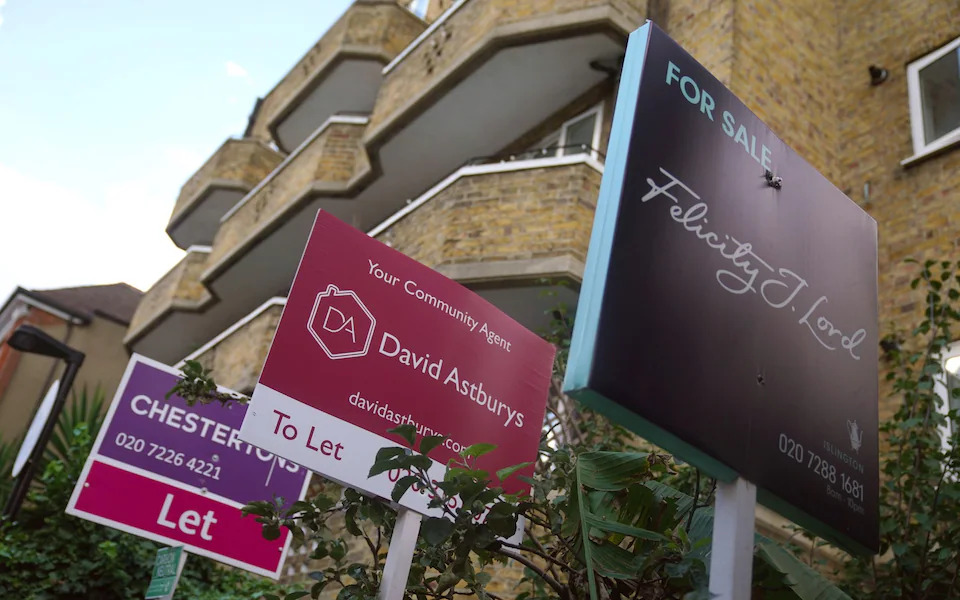
While a real estate market as hot as the current one gives less leverage to the renter, relying on personal networks, social media and online listing boards can be helpful if you want to avoid a fee (though be careful with online listing boards since brokers use them as well). In some smaller cities and towns, you can do your own searching, driving around neighborhoods you are targeting and looking for rental signs right out front of properties.
However you search for an apartment, make sure to ask any real estate professional you do end up working with if there is a broker fee involved because, unlike a security deposit, you won’t get this back. Read More…