Prosecution in Disarray Over First Lady Investigation

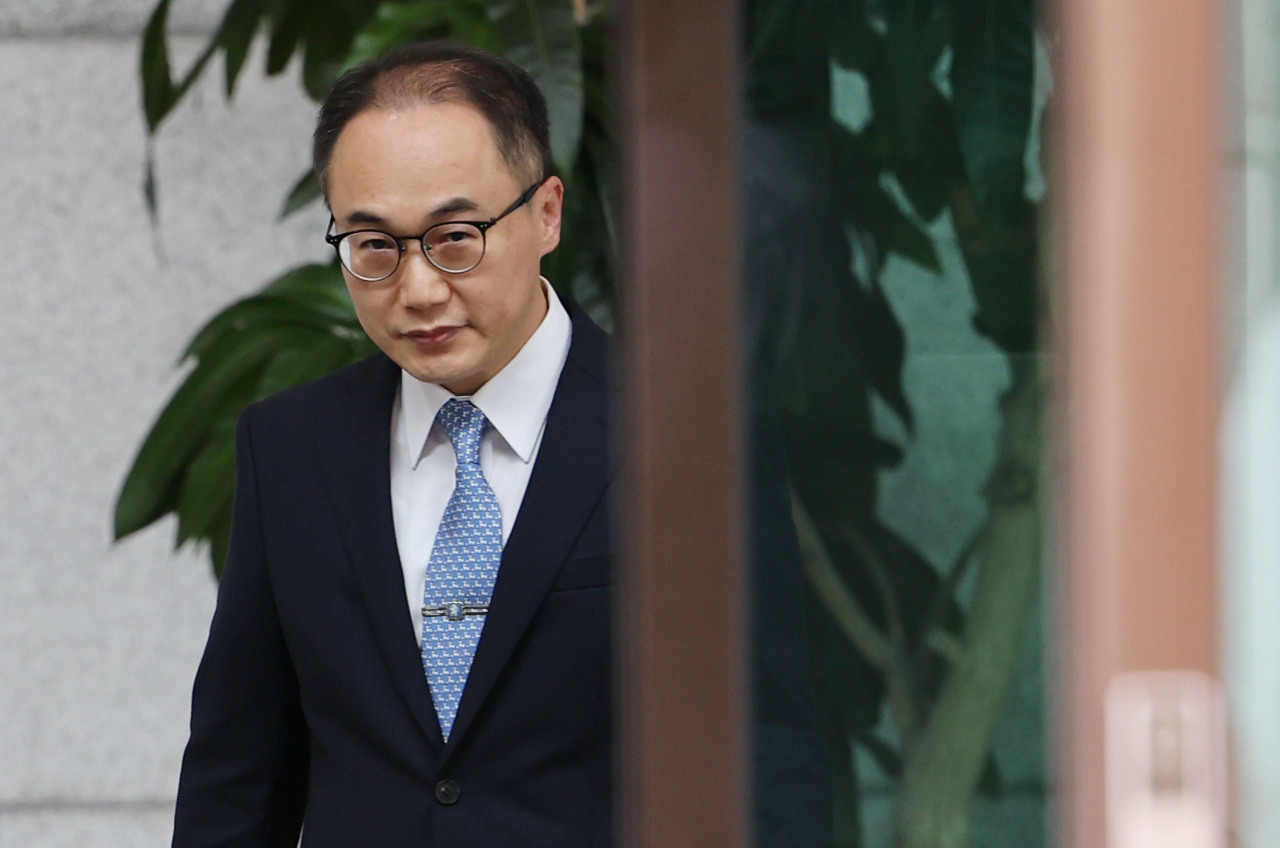
Prosecutor General Lee One-seok publicly apologized on Monday for the clandestine interrogation of South Korea's first lady, Kim Keon Hee, revealing significant procedural lapses and a breach of investigative protocols. This incident has plunged the South Korean prosecution into turmoil, highlighting discord and communication breakdowns within the prosecutorial system.
The Seoul Central District Prosecutors' Office questioned Kim as a suspect at an undisclosed location, deviating from the traditional practice of high-profile suspects facing interrogations at official prosecutors' offices, where they are typically seen by the media. The Prosecutor General, whose Supreme Prosecutors Office oversees the Seoul office, was only informed about the interrogation hours after it began and was unaware of its unconventional location until then.
According to South Korean law, the prosecutor general is authorized to "direct and supervise" officials in any prosecutors' offices. Lee's revelation that he was not consulted about the interrogation of the first lady breaches this principle, raising questions about the integrity and transparency of the investigation process.
Despite the procedural irregularities, the ruling party supported the Seoul district prosecutors' decision to conduct the questioning outside a traditional venue, citing safety considerations as justification.
Kim Keon Hee faces multiple allegations, including involvement in illegal stock price manipulation in the early 2000s and an antigraft law violation for accepting a Dior bag worth 3 million won ($2,160) in September 2022, an incident recorded by a spy camera and later released online.
Expressing regret, Prosecutor General Lee acknowledged the lapse in upholding investigative principles and failing to lead the prosecutors effectively. He reiterated his commitment to judicial impartiality and promised to take appropriate measures against Lee Chang-soo, chief of the Seoul Central District Prosecutors' Office, for not notifying him about the investigation.
Lee Chang-soo, who previously served as a spokesperson for President Yoon Suk Yeol, reportedly expressed regret for his decision to withhold information from his senior. He justified his actions by citing concerns that the prosecutor general might oppose the plan to interrogate the first lady outside the conventional setting.
The prosecutor general emphasized his dedication to restoring judicial impartiality as mandated by the Constitution. With his two-year tenure ending in September, Lee's ability to manage this controversy and reinforce procedural integrity will be crucial in the remaining months of his service.
Some members of the ruling party have criticized Lee One-seok's public statements, suggesting internal divisions and further complicating the prosecution's efforts to handle high-profile cases transparently and effectively.
This incident underscores the challenges faced by South Korea's legal system in maintaining transparency, accountability, and adherence to established procedures, especially in high-stakes investigations involving prominent figures.