Preventive Maintenance of Lab Equipment
-
 Loading...
 - Remi Cartier
- 11 Apr 2023
- 82 Views
- 0 Like
- 0 Comment
Follow best practices for maintenance to keep your lab equipment in optimal condition
Lab equipment often represents a large portion of overall expenditure. Replacement parts and equipment tend to be costly, as are repair services. These costs increase when lab equipment is poorly maintained. To keep these costs down, it's important to perform preventive maintenance. Things like regular servicing, comprehensive training, and proper cleaning can go a long way to ensuring your equipment performs optimally for as long as possible.
Regular cleaning and calibration are essential
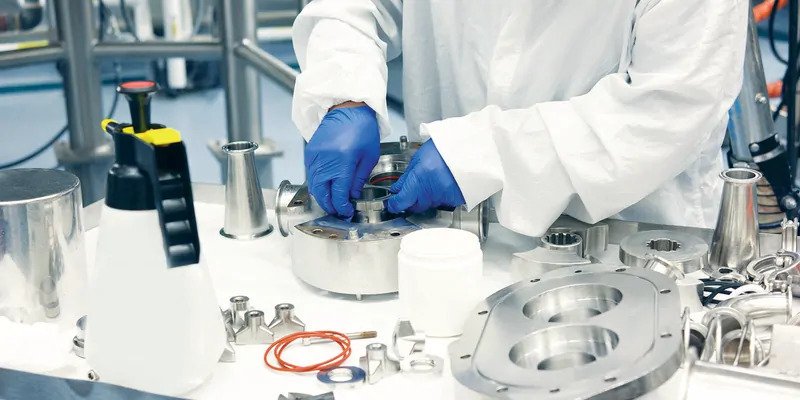
Cleaning often becomes second nature when using lab equipment, particularly when contamination is a concern. But it’s vital that all equipment is cleaned appropriately at the correct time. This means ensuring all staff members are aware of key factors, including how often to clean each item, what detergents or other cleaning materials to use, and additional important information, such as the level of dismantlement required for cleaning. While staff should be well-trained on how to clean equipment, all this information should be easily accessible, and a physical or digital logbook should track when each item was cleaned and by whom.
Calibration is another critical practice in maintaining lab equipment as it ensures accuracy, repeatability, and standardization. Lack of regular calibration may threaten quality, safety, and equipment longevity. Calibration frequency can be determined based on manufacturers’ recommendations or industry or organizational standards. Depending on the equipment, calibration may be carried out by a lab staff member or a third party. If equipment is calibrated internally, the procedure should be well-documented, and staff must be properly trained. Read More…