Powerful sun storm could supercharge auroras this week
-
 Loading...
 - Leon Schmid
- 09 May 2023
- 75 Views
- 0 Like
- 0 Comment
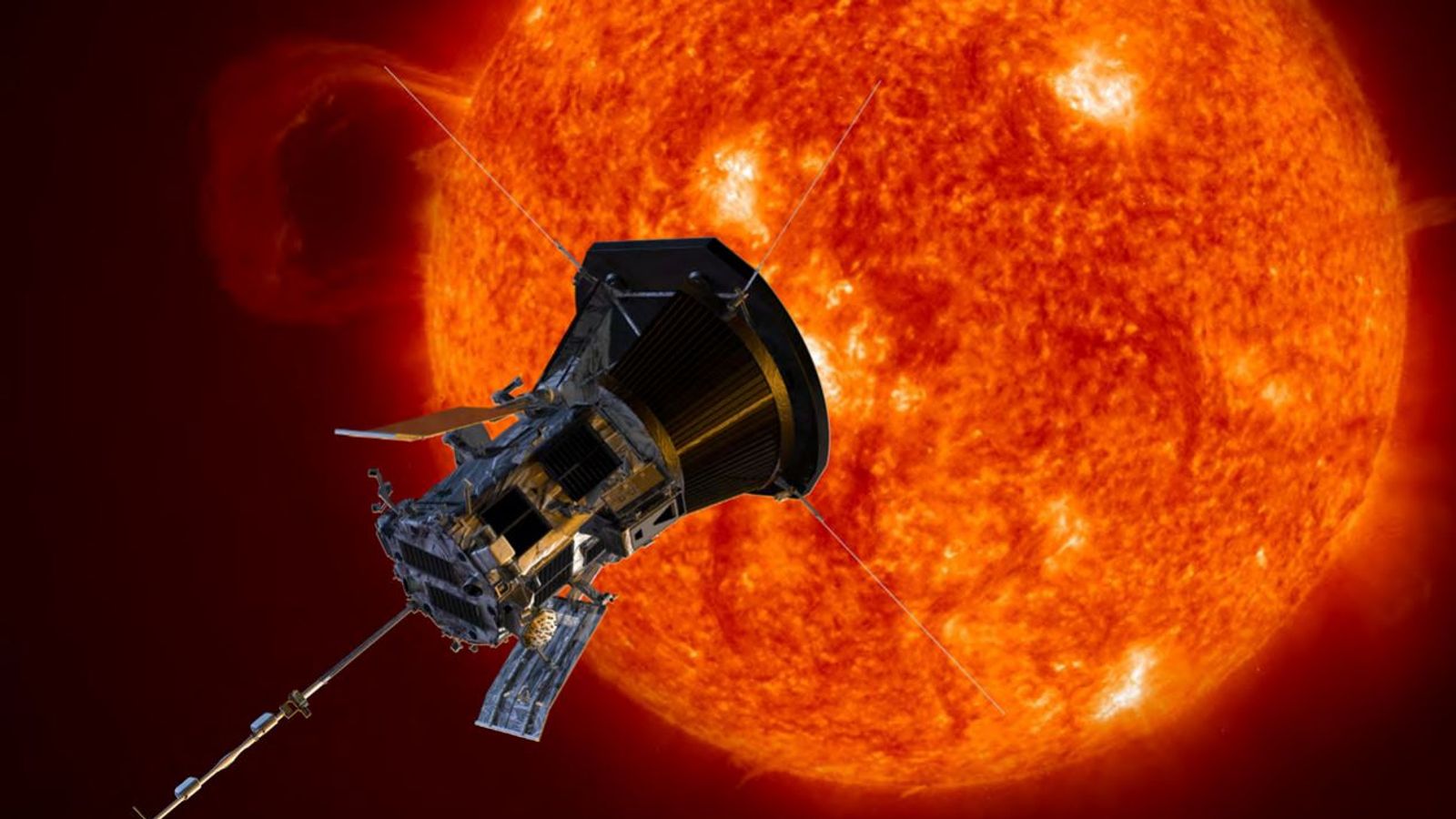
A recent solar outburst could provide a stunning spectacle for stargazers in the days to come. On May 7, 2023, at precisely 6:54 p.m. Eastern Daylight Time (2254 Greenwich Mean Time), the sun emitted an M1.5-class solar flare of long duration, which is classified as a medium-intensity occurrence, straight at the Earth. This event has already caused minor radio blackouts on Earth's shortwave spectrum due to the high levels of radiation associated with it, as reported by Spaceweather.com. The solar flare is also linked to a coronal mass ejection (CME), a release of plasma from the sun that is now moving quickly toward our planet. This CME is predicted to reach Earth early on Wednesday morning, May 10, and may trigger moderate to high geomagnetic activity, according to Spaceweather.com.
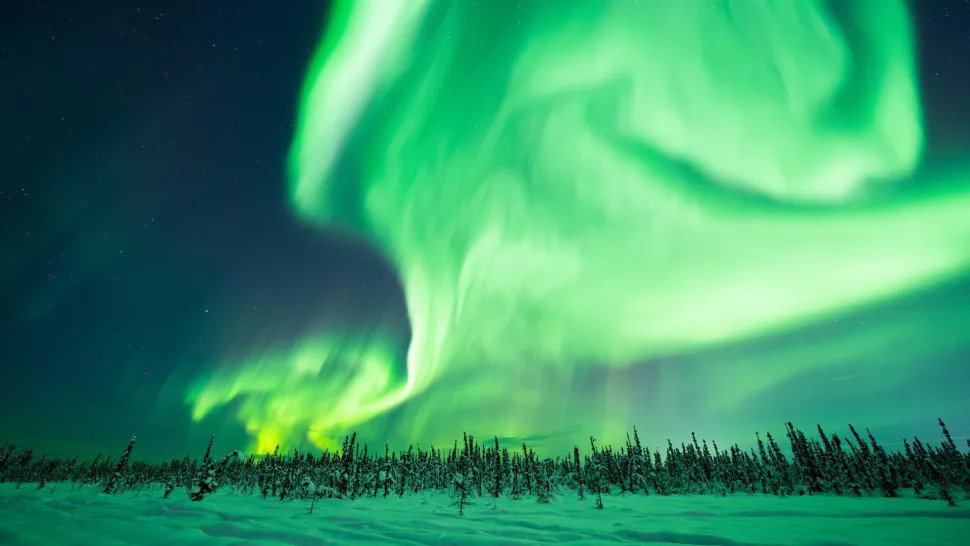
The effect of this activity may include striking aurora displays. In moderate geomagnetic storms, auroras can be observed as far south as New York or Idaho, while in strong ones, they can be seen by those in Illinois or Oregon. However, it should be noted that space weather, like Earth weather, is a capricious entity, and forecasts can change at any moment.
Solar flares are intense releases of electromagnetic radiation that originate from sunspots, while CMEs are outflows of plasma and magnetized particles from the sun that travel at a slower pace through space. When solar flares strike the Earth, they can result in communication disruptions, whereas CMEs are connected with the aurora. While they do not necessarily happen at the same time, the brightest solar flares frequently coincide with CMEs.
As we approach solar maximum, or the time of peak solar activity, in the next year or two, we may expect to experience more frequent and more significant solar storms. As a result, we should also expect to see some magnificent auroral displays. In fact, the latest solar storm is only one of several space weather events that have affected the Earth in recent times. Last Sunday, for example, a similar solar weather event resulted in stunning auroral displays that could be seen by stargazers all over the world.