Positive Aspects Associated With Compound Interest Formula

An interest rate's true face can change depending on how often it compounds. To take this factor into account, an effective annual rate calculation takes into account how frequently compounding occurs - making this method ideal for comparing investments or loans with differing compounding frequencies.
Compound interest is a powerful force that speeds investment growth while simultaneously compounding debt balances if left unchecked. Our convenient compound interest calculator makes the math straightforward so you can plan savings, investments or debt repayment with ease.
Simply input your initial deposit or total contributions planned, as well as an interest rate and compounding frequency, before clicking Calculate!
Calculate Compound Interest
Compound interest is an effective way to expand your savings or investments faster, accounting for both interest earned on initial principal as well as past-accumulated interest accrual from previous periods. It allows money to expand more rapidly than simple interest, which only accounts for current period's interest on initial principal.
Compounding occurs at different frequencies; daily, weekly, monthly, quarterly, semiannually or annually are all possible scenarios. Generally speaking, more frequent compounding has greater effects.
Compound investment return calculator and the Rule of 72 can both help you take full advantage of compounding. Even small contributions over an extended timeframe can make a meaningful impactful contribution towards savings or investment returns. Even regular, small contributions over time can add up quickly over time, even with annual rates of return that average about 8% per annum.
Calculate Investment Returns
Investment can seem intimidating at first glance, with all its financial jargon and complex formulas. However, there are simple strategies to demystify investment returns and understand your potential growth. One such technique is understanding compound interest formula which can help increase returns faster.
Compounding occurs when your earnings are reinvested to allow the interest earned to generate even more interest, creating exponential growth and the reason many investors become successful.
For quick and simple compound return calculations, this calculator is your go-to resource:
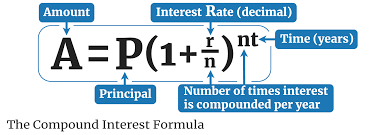
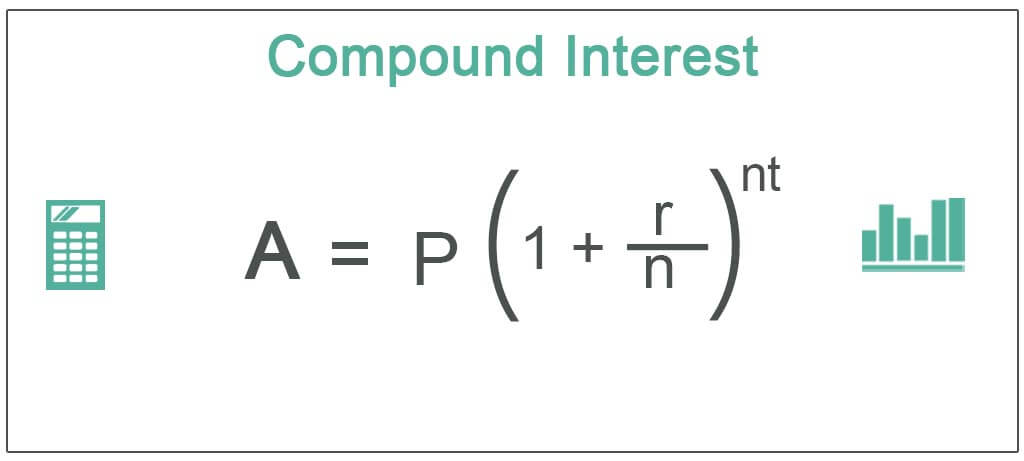
P = the initial principal or starting amount of an investment. R = expected rate of return. N = the number of compounding intervals each year (e.g. annually, monthly, quarterly).
Simply divide the annual rate of return by 72 and you will get an approximate timeframe in which your investment could double. Keep in mind, however, this tool should only be used as an estimation - real-world factors like market volatility may alter this estimate significantly.
Calculate Time-Weighted Returns
Time-weighted returns provide a clearer view of investment performance by eliminating cash inflows and outflows to provide you with pure investment performance metrics. They're an advanced measure of your portfolio's growth that ensures fair comparison when pitted against other investments or market indices; for instance if one fund manager receives an unexpected infusion prior to stock market boom while another does not, the first fund may appear superior even though their actual growth was identical.
Calculating TWR can be complicated, but its outcome provides a clear picture of your money's growth that goes beyond black-and-white gains. With this insight you can make strategic adjustments to your portfolio and financial goals and achieve them faster. Using AI tools to streamline calculations and automate processes saves you time, energy and effort while producing highly accurate and insightful data - try Bricks now free for yourself and see how easy it is!
Calculate Effective Annual Rate
An interest rate's true face can change depending on how often it compounds. To take this factor into account, an effective annual rate calculation takes into account how frequently compounding occurs - making this method ideal for comparing investments or loans with differing compounding frequencies.
To calculate an effective annual rate, start with a nominal interest rate and the desired compounding interval frequency - such as annually, monthly, quarterly or semi-annually - then divide this figure by your compounding interval frequency; typically it should be one year but other time units can also work provided they remain consistent with this method of operation.
The result of your calculations will be an interest rate that will apply every year, which is known as the effective annual equivalent rate (AER), annual percentage yield (APY), or simply real interest rate. Comparing investment opportunities or loans between institutions helps make comparisons fair and accurate.


