Pope brings Latin American Catholic experience to the universal church
-
 Loading...
 - Kissa Darwish
- 14 Mar 2023
- 66 Views
- 0 Like
- 0 Comment
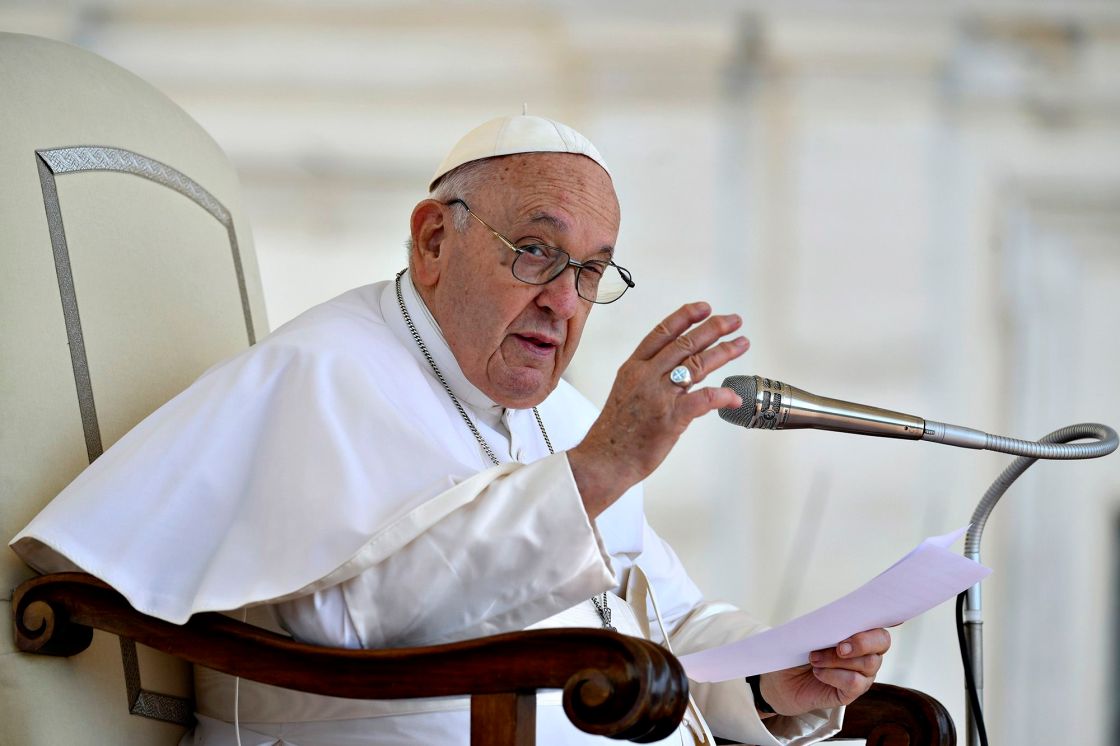
When Pope Francis greeted the thousands of faithful gathered in a rain-soaked St. Peter's Square March 13, 2013, he quipped that his brother cardinals looked almost to "the ends of the earth" to find a new bishop of Rome.
The end of the world, in this case, was Buenos Aires, Argentina, where Pope Francis was born to Italian immigrants in 1936 and served as archbishop from 1998 until he became pope in 2013. He is the first pope born outside of Europe since the year 741 and the first from Latin America, where an estimated 40% of the world's Catholic population lives.
That distinction has molded Pope Francis' approach to governing the church over the first 10 years of his pontificate, forging pastoral priorities and doctrinal decision-making rooted in his identity as a servant of the people in Buenos Aires' "villas miserias," or shantytowns, first during a military dictatorship and then during a profound financial crisis.
"Usually, European popes start thinking about theology from philosophy," Emilce Cuda, secretary of the Pontifical Commission for Latin America, told Catholic News Service. But in Latin America, she said, looking at humanity's relationship to God begins with common people.
Cuda said that's because Latin America was "the first continent to take seriously the Second Vatican Council" and with it the idea that God's will can be discovered by listening to all baptized members of the church.
The resulting openness to "communal discernment," as Cuda described it, characterized the early priestly life of Pope Francis, who was ordained a priest just four years after the council ended, and extended all the way into one of the most recent events of his pontificate: the opening of the current Synod of Bishops.
The synod seeks to gather input from all baptized members of the church to inform discussions among the world's bishops on building a listening church. The bishops will meet in Rome in two sessions, the first in October and then again one year later.
"It's not a different theology, it's not a different church, it's not a Latin American pope now at the top of the Catholic Church; it's the continuation of one tradition that began in the '60s in this council, " Cuda told CNS. "Pope Francis is going ahead with this challenge that started with the Second Vatican Council."
Mar Muñoz-Visoso, executive director of the U.S. bishops' Secretariat of Cultural Diversity in the Church, told CNS that Pope Francis' Latin American pastoral style was translated into church teaching right from the start of his pontificate. Read More…