Pesticide Use in the Netherlands Linked to Declining Bird Populations
-
 Loading...
 - Vissarion Novikov
- 21 Oct 2024
- 48 Views
- 0 Like
- 0 Comment
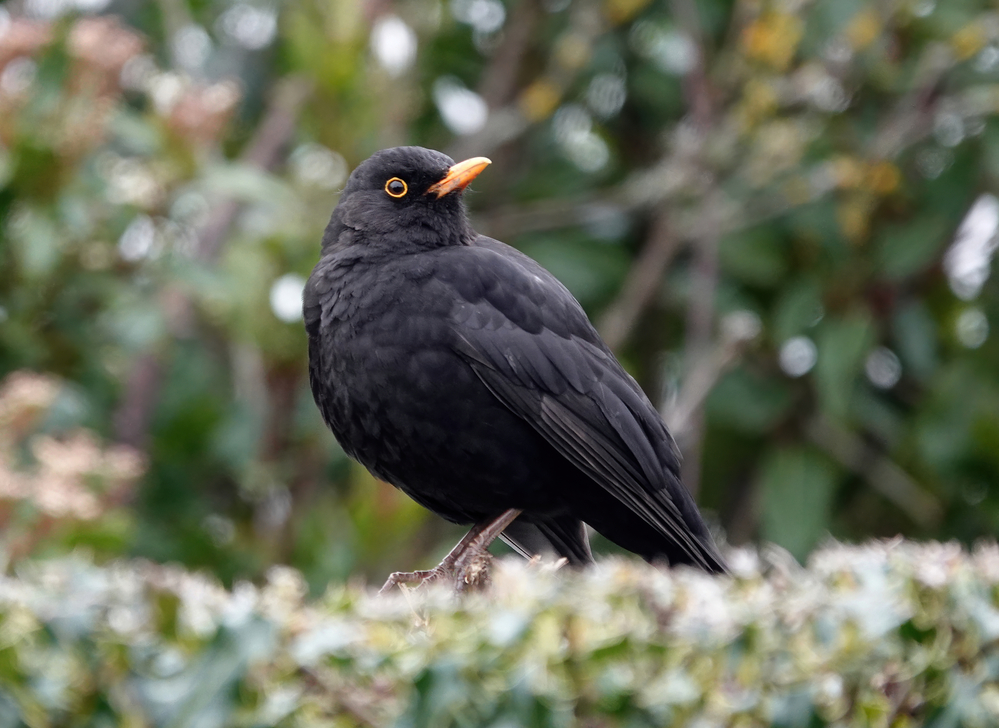
Recent research from Wageningen University Research (WUR) has revealed alarming findings regarding the impact of neonicotinoids, a class of pesticides commonly used in agriculture and horticulture, on bird populations in the Netherlands. While these pesticides have long been known to harm bees and bumblebees, the new study indicates that their detrimental effects extend to nearly all bird species as well.
Neonicotinoids are designed to combat insect pests, but the research highlights that birds consuming food contaminated with these pesticides experience significantly reduced lifespans. Moreover, the survival rates of their chicks are adversely affected, raising concerns about the long-term viability of bird populations. The study also found that migrating birds' navigational abilities are compromised, making them more vulnerable during their journeys to breeding grounds.
Although the European Union banned the use of neonicotinoids in 2018 due to their harmful effects on pollinators and the environment, farmers in the Netherlands can still utilize these pesticides under emergency authorizations. This loophole has raised significant concerns among environmentalists and bird protection organizations, especially given the persistent nature of neonicotinoids in the environment. These substances are often referred to as "forever" chemicals because they can remain in the soil and crops for years, even after their application has ceased.
The researchers at WUR made a startling discovery: they found contaminated seeds and crops consumed by birds from soil that had not been treated with neonicotinoids for nearly two decades. This finding challenges the previous assumption that the direct effects of pesticide ingestion would be minimal. Researcher Elke Molenaar emphasized the importance of recognizing the significant impact these pesticides have on bird health, stating, “These effects must not be underestimated in any way.”
The implications of this research are particularly concerning given the already precarious state of bird populations in the Netherlands. Birds are facing multiple threats, including habitat loss and a dramatic decline in insect populations, which serve as their primary food source. The combination of these factors, along with the continued use of harmful pesticides, poses a serious risk to avian biodiversity.
Vogelbescherming, a prominent bird protection organization in the Netherlands, has expressed deep concern over the ongoing use of neonicotinoids despite stringent EU regulations. The organization is calling for an independent investigation into the use of these pesticides before any exemptions are granted. “If there is any doubt at all, it should be a no. There have been enough times in the past when it has worked out badly,” they stated, highlighting the need for caution and thorough evaluation.
The findings from WUR's research underscore the urgent need for a reevaluation of pesticide use in agriculture, particularly regarding substances that have proven harmful to both pollinators and birds. As the Netherlands grapples with declining wildlife populations, the call for stricter regulations and more sustainable agricultural practices becomes increasingly critical. The health of ecosystems relies on the delicate balance between agricultural productivity and environmental protection, and the continued use of harmful pesticides threatens to tip that balance further into decline.