Parliament Renews Citizen Branch, Ratifies Saab as Attorney General
-
 Loading...
 - Chantel Jonkers
- 06 Nov 2024
- 68 Views
- 0 Like
- 0 Comment
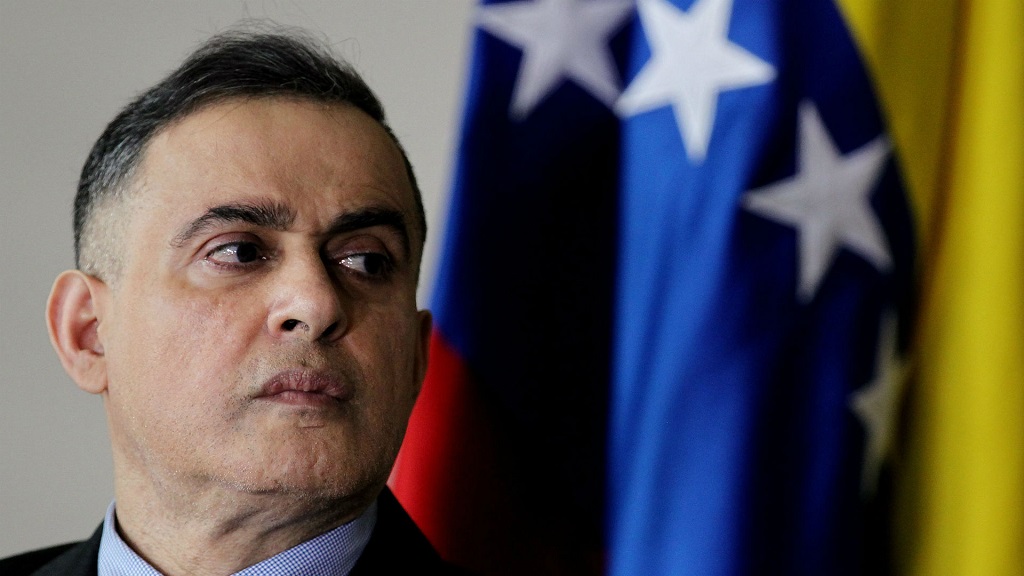
Venezuela’s National Assembly (AN) has appointed and sworn in new representatives for the Citizen Branch following a thorough evaluation process that included 48 eligible candidates. Attorney General Tarek William Saab and Ombudsman Alfredo Ruiz have been ratified for new seven-year terms, while Gustavo Vizcaíno will replace Jhosnel Peraza Machado as Comptroller.
Saab and Ruiz have held their respective positions since 2017, while Vizcaíno previously led the Administrative Service of Identification, Migration and Immigration (SAIME) and served as an alternate rector in the National Electoral Council (CNE). The Venezuelan legislature is responsible for appointing these three key positions, with deputy commissions conducting an application process to select the final candidates from the approved list.
President Nicolás Maduro congratulated Saab, Ruiz, and Vizcaíno, urging them to continue defending the nation’s interests. Saab, a 62-year-old former lawmaker and governor, has garnered attention for his handling of high-profile cases since taking over from Luisa Ortega Díaz, who fled the country in 2017 after being dismissed and accused of leading an extortion operation.
The newly ratified Attorney General has focused on tackling corruption within public administration. His office has uncovered significant irregularities in mayoral offices across the country and has been involved in a corruption scheme linked to Venezuela’s Great Housing Mission (GMVV), leading to the arrest of numerous officials.
In 2023, Saab's office initiated a major corruption investigation into the state oil company PDVSA, revealing billions in losses from untracked crude sales allegedly connected to former Oil Minister Tareck El Aissami. In April, El Aissami was charged with treason, misappropriation of public funds, influence trafficking, and money laundering, although there have been no recent updates on his prosecution.
El Aissami was succeeded by Pedro Tellechea, who was also arrested on corruption charges and alleged connections to Washington. In October, the Attorney General’s Office announced that Tellechea would face charges for “serious crimes that threaten the nation’s highest interests,” including the suspected transfer of PDVSA’s automated control system to a firm linked to US intelligence services. A number of PDVSA personnel have also been arrested for their involvement in the corruption schemes led by both former ministers. The oil portfolio is currently managed by Vice-President Delcy Rodríguez.
In the days leading up to his ratification, Saab made headlines for a controversial statement regarding Brazilian President Lula da Silva, claiming Lula was a “spokesperson of the left” who had been “captured by the CIA.” Saab further alleged that Lula faked an accident to avoid attending the BRICS summit, where Brazil vetoed Venezuela’s entry into the organization. The Venezuelan Foreign Ministry quickly distanced itself from Saab’s remarks, stating they were personal and did not reflect the National Executive's position, which remains committed to fostering ties with Brazil.
In July 2017, the US Treasury Department sanctioned Saab along with other Venezuelan officials as part of its regime change efforts against Venezuela.
Venezuela’s government is structured into five branches: the Executive Branch led by the President, the Legislative Branch (the National Assembly), the Judicial Branch (with the Supreme Court as its highest authority), the Electoral Branch (overseen by the National Electoral Council), and the Citizen Branch, which ensures compliance with the law by both citizens and government officials. The Citizen Branch comprises the Attorney General, Comptroller General, and Ombudsman, with their posts defined by the legislature, unlike the president and National Assembly deputies, who are elected.