Paraguay: A high incidence of meningoencephalitis possibly associated to chikungunya reported
-
 Loading...
 - Facundo Marisol
- 27 Mar 2023
- 123 Views
- 0 Like
- 0 Comment
The World Health Organization (WHO) wrote in a recent Disease Outbreak News (DON) concerning the geographical expansion of dengue and chikungunya beyond the historical areas of transmission in the Region of the Americas:
There have been 2.8 million dengue cases reported in the Americas in 2022, which represents over a two-fold increase when compared to the 1.2 million cases reported in 2021. The same increasing trend has been observed for chikungunya, with a high incidence of meningoencephalitis possibly associated to chikungunya reported by Paraguay, which is of further concern.
The General Directorate of Health Surveillance in Paraguay, Dr. Guillermo Sequera reported Friday that 329 meningoencephalitis cases due to chikungunya have been reported in 2023 to date.
Chikungunya is a mosquito-borne viral disease that causes fever and severe joint pain. The disease was first recognized in 1952 during an outbreak in southern Tanzania.
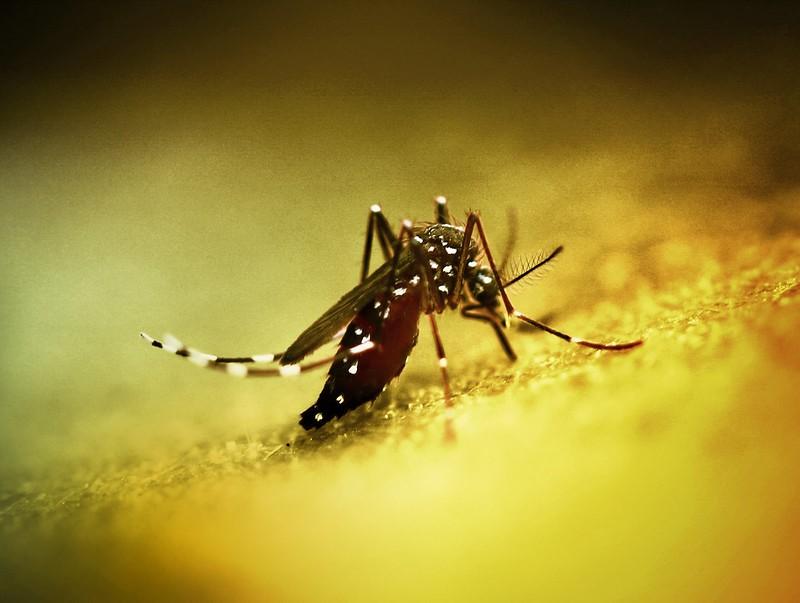
Chikungunya virus (CHIKV) is most commonly transmitted by female mosquitoes of the species Aedes aegypti and Aedes albopictus, which can also transmit other mosquito-borne viruses, including dengue and Zika. They bite throughout daylight hours, although there may be peaks of activity in the early morning and late afternoon. Read More…