One in five reptiles faces extinction in what would be a ‘devastating' blow
-
 Loading...
 - Eugene Martinez
- 04 May 2022
- 326 Views
- 0 Like
- 0 Comment
More than a fifth of all reptile species are threatened with extinction, which could have a “devastating” impact on the planet, a new study warns.
The largest ever analysis of the state of the world’s reptiles, published in Nature, found that 21% of reptile species are facing extinction. From lizards to snakes, such a loss could have disastrous impacts on ecosystems around the world, the study says.
“We would lose a combined 15.6bn years of evolutionary history if each of the 1,829 threatened reptiles became extinct,” said Neil Cox, co-leader of the study and manager of the biodiversity assessment unit at the International Union for Conservation of Nature (IUCN) and Conservation International. “This is evolution that we could never get back. It would be a devastating loss.
“If we remove reptiles, it could change ecosystems radically, with unfortunate knock-on effects, such as increases in pest insects,” he added. “Biodiversity, including reptiles, underpins the ecosystem services that provide a healthy environment for people.”
Fifty-two experts analysed data from the Global Reptile Assessment, which has received contributions from more than 900 scientists across six continents in the past 17 years. While 1,829 of 10,196 species are known to be threatened, the status of 1,489 could not be determined. Allowing for these data deficient species, the authors estimate that, in total, 21% are threatened.
The study was led by NatureServe, the IUCN and Conservation International.
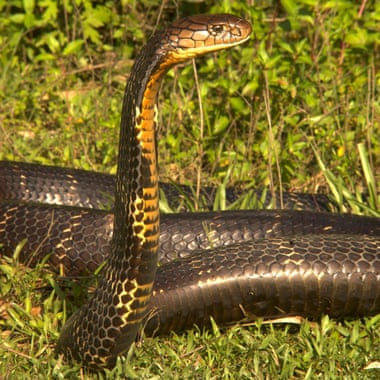
Although many reptiles live in arid environments such as deserts and scrubland, most species occur in forests, where they suffer from threats such as logging and conversion of land for agriculture. The study found 30% of forest-dwelling reptiles are at risk of extinction, compared with 14% in arid habitats. The king cobra (Ophiophagus hannah), for example, listed as globally ‘vulnerable’, is declining across much of its range in Asia, largely due to the loss of forest habitat.
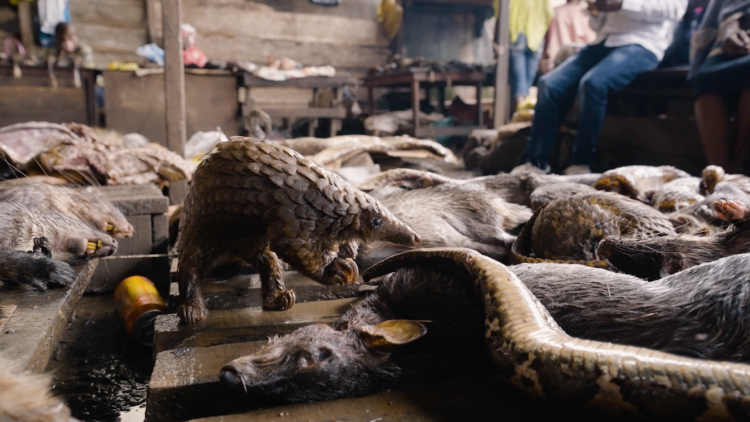
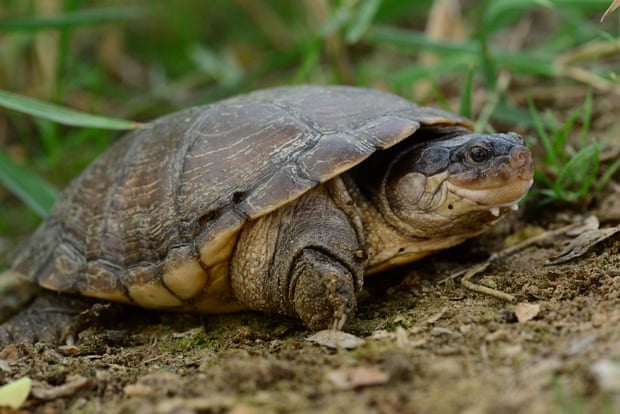
Hunting is also a major threat to reptiles, especially turtles and crocodiles, many of which are at risk of extinction. Another major contributing factor is the introduction of invasive species.
Like birds or freshwater fish, reptiles tend to be less popular than iconic species of land mammals or marine life, but more reptile species are threatened than birds, suggesting more work is needed to protect them, said Mike Hoffmann, head of wildlife recovery at the Zoological Society of London, and one of the scientists involved with the study.
“From turtles that breathe through their genitals to chameleons the size of a chickpea and giant tortoises that can live to more than 100, they’re utterly fascinating. Our hope is that this first-ever assessment of the world’s 10,000-plus reptiles helps put them in the spotlight and goes some way to highlighting this diversity, and just how much we have to lose.”
As well as controlling rats, mosquitoes and other “pests”, reptiles deliver many other benefits. “They help disperse seeds, especially in island environments,” said Hoffmann. “We’ve also achieved many medical advances from studies of reptiles. Snake venom, for example, has resulted in critical drug discoveries, including for treating hypertension.
“The impending loss [of reptile species] could lead to wide-ranging and unforeseen impacts on our environment and our own wellbeing.”
In Australia, home to about 10% of the world’s species, reptiles face a growing number of threats. “Most of Australia’s threatened reptiles have declined due to habitat loss and predation by invasive cats and foxes,” said Nicki Mitchell from the School of Biological Sciences at the University of Western Australia, who also contributed to the study.
“Climate change is an emerging threat to species confined to small fragments of habitat, as the microclimates they occupy will change and may no longer be optimal for a population to thrive.” Read More…