Norway's Outdoor Tourism Campaign
-
 Loading...
 - Farida Reda
- 02 Sep 2024
- 69 Views
- 0 Like
- 0 Comment
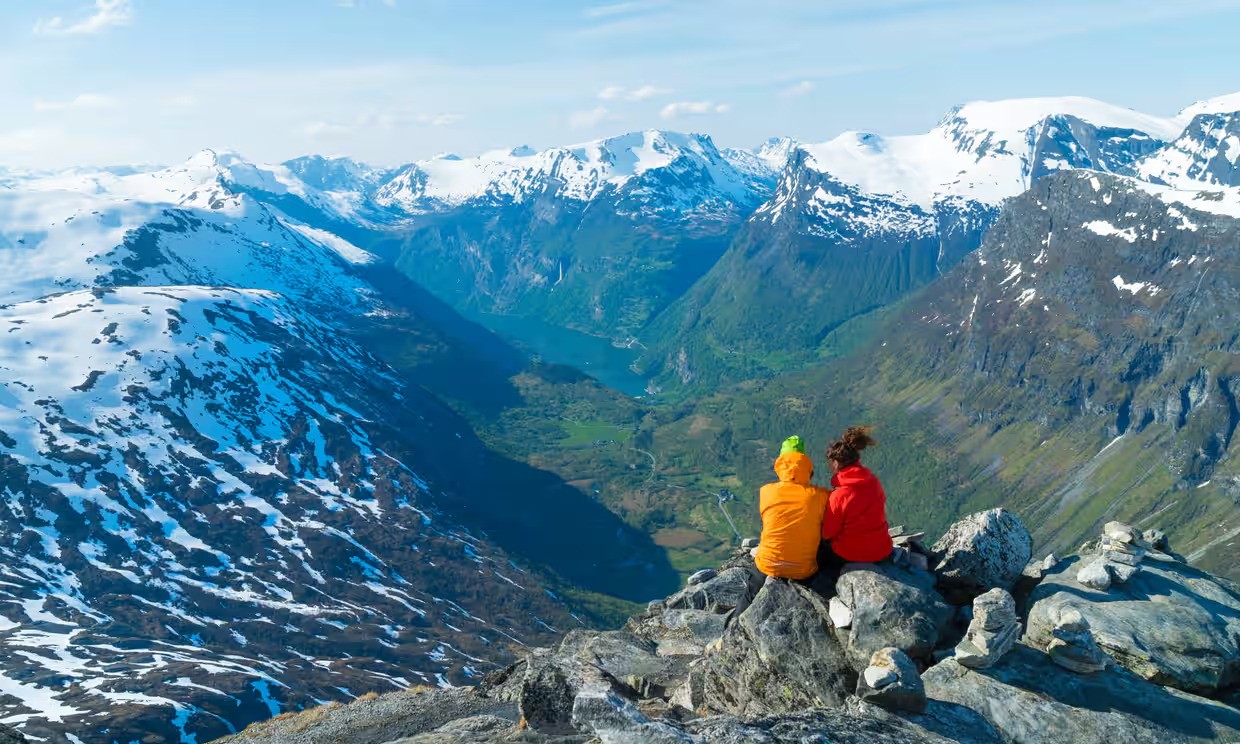
Norway's decision to shelve its outdoor tourism campaign highlights the country's commitment to environmental sustainability. The campaign, aimed at promoting Norway's "right to roam" laws to international tourists, was suspended due to concerns about the potential environmental impact of mass tourism. This move demonstrates Norway's willingness to prioritize the protection of its natural environment over short-term economic gains.
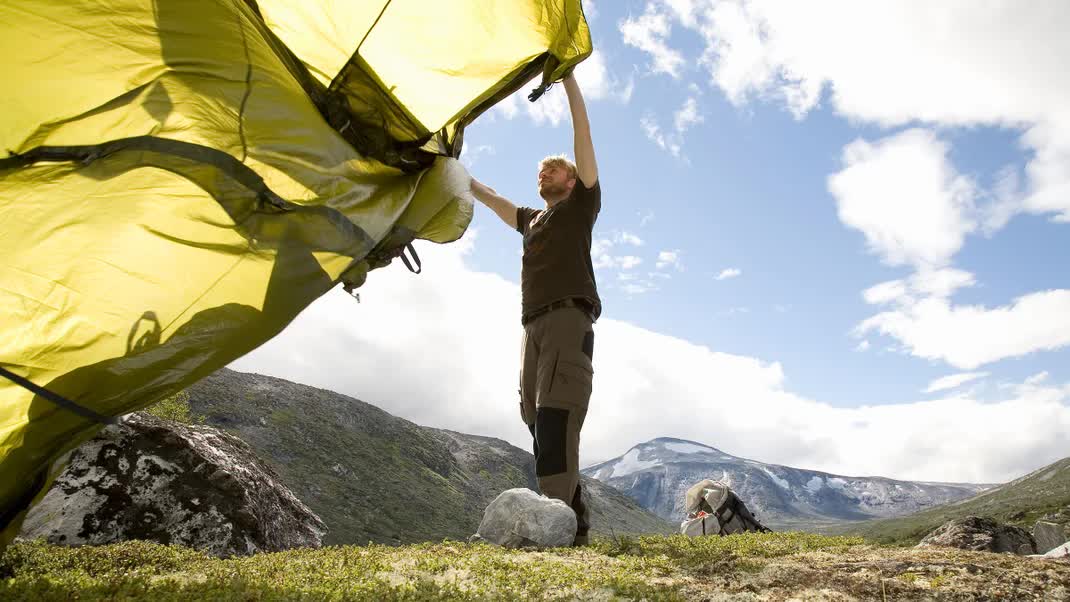
The Norwegian tourism industry recognizes the need for sustainable tourism practices to protect the country's natural environment. With the rise of overtourism, regional tourism bosses are already experiencing the negative effects of unregulated traffic and camping. The campaign's suspension is a proactive step towards ensuring that tourism growth is managed in a way that respects Norway's unique natural heritage. This approach is crucial, as the country's natural beauty is a significant draw for tourists, and its preservation is essential for the long-term sustainability of the tourism industry.
The Norwegian Trekking Association and outdoor recreation organisation Norsk Friluftsliv emphasize the importance of responsible tourism practices. They stress that tourists must be educated about the importance of respecting nature and leaving no trace. This requires a clear strategy for managing visitor numbers, introducing tourists to nature, and promoting sustainable tourism practices. By doing so, Norway can ensure that tourism benefits both the local economy and the environment.
Norway's tourism industry must strike a delicate balance between promoting the country's outdoor activities and protecting its natural environment. By suspending the campaign, Innovation Norway has demonstrated its commitment to responsible tourism practices. The industry must now work together to develop a sustainable tourism strategy that ensures the long-term preservation of Norway's natural beauty. This strategy should include measures such as:
- Implementing sustainable tourism practices, such as eco-friendly accommodations and transportation
- Educating tourists about responsible travel behaviors, such as respecting nature and leaving no trace
- Managing visitor numbers to prevent overcrowding and environmental degradation
- Collaborating with local communities to ensure that tourism benefits are shared equitably
- Investing in infrastructure and resources to support sustainable tourism development
Norway's approach to sustainable tourism offers valuable lessons for other countries. By prioritizing environmental sustainability and responsible tourism practices, countries can ensure that tourism growth is managed in a way that benefits both the local economy and the environment. This approach requires a collaborative effort between government agencies, tourism boards, local communities, and tourists themselves.
In conclusion, Norway's decision to shelve its outdoor tourism campaign is a commendable step towards prioritizing environmental sustainability. By adopting a sustainable tourism strategy, Norway can ensure that its natural beauty is preserved for future generations, while also promoting responsible tourism practices that benefit both the local economy and the environment. Other countries can learn from Norway's example by adopting a similar approach to sustainable tourism development.