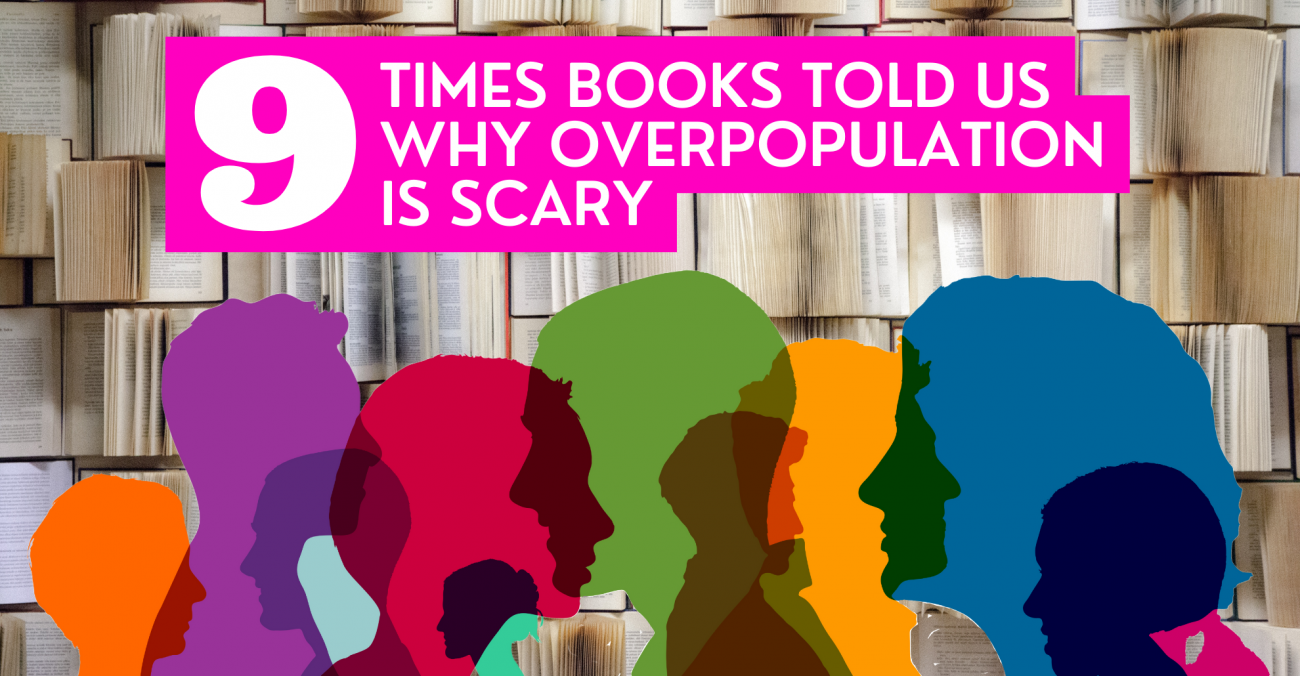
Nine times that books told us why overpopulation is scary
-
 Loading...
 - Farhan Hosen
- 03 Aug 2022
- 98 Views
- 0 Like
- 0 Comment
"The Population and Housing Census 2022" article published in The Daily Star has shown us that the rate of population growth "has slowed over the past four decades". However, sitting in traffic for what feels like 50 hours, pushing through hoards of people on the streets and shopping malls—basically anywhere and looking at other socioeconomic issues like housing problems, pollution, the standard of living, population density, and so on, it doesn't feel like overcrowding has ceased to be a problem in and for this country.
Despite the decelerating growth rate and with the country's population currently standing at 16.51 crore as opposed to just 14 crore in 2011—merely 10 years ago—overcrowding is still a massive cause of headache for most of us.
So here are nine books in which the writer—through facts, statistics, and fiction—shows us the consequences and less-than-favourable outcomes of overpopulation.
1. Countdown: Our Last, Best Hope for a Future on Earth?

To source this work of nonfiction, author Alan Weisman travelled to over 20 countries to ask one very crucial question: How many humans can the planet hold without capsizing? He takes into account issues ranging across cultures, religions, nationalities, tribes, and political systems to learn what in their beliefs, histories, liturgies.
The book outlines how and why the presence of human beings and our ways are pushing the world towards exhaustion, and offers, perhaps "the fastest, most acceptable, practical, and affordable way of returning our planet and our presence on it to balance", according to its blurb.
2. The Caves of Steel (Robot #1)
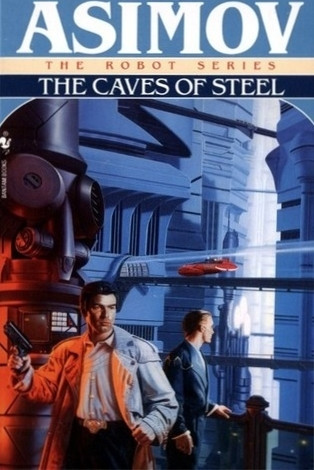
Earth is overpopulated. Spacers and their sidekicks, the robots, have taken over the planet. Galaxies have been colonised, machines have acquired sentiency. Elijah Baley is a police officer who has no love to spare for this "advanced", overcrowded Earth. But when one Spacer is murdered under mysterios circumstances, he receives orders from the "people" above to find his killer. And his assigned partner? A robot.
In this striking science fiction novel, Isaac Asimov sheds light on a potential future full of advancement and technology at the cost of overpopulation and depleting resources.
3. An Essay on the Principle of Population
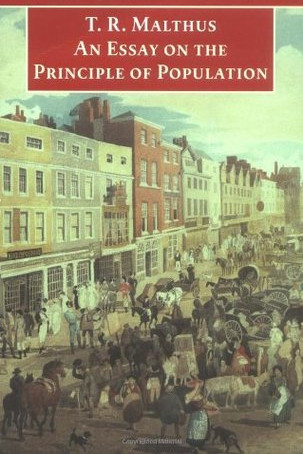
Did this author and editor duo from the 18th century foresee the future that is now? Could they have imagined that we would increase to almost 8 billion people this year despite their-alarming-but-our-measly number of growth at "225,000 people per day"?
This book inspects the growth of population leading to hunger, poverty, starvation, and disease and argues that these are phenomena necessary for human lives to sustain. For instance, Malthus explores the outbreak of the Black Plague during the mediaeval ages, when thousands had died and lords faced a shortage of labourers, how wages and benefits increased for the workers who survived. He also predicted that the population would double every 25 years whereas agricultural growth would remain static. Connections like these made the book an extremely influential work in the studies of economy and population.
4. Man Swarm: How Overpopulation is Killing the Wild World
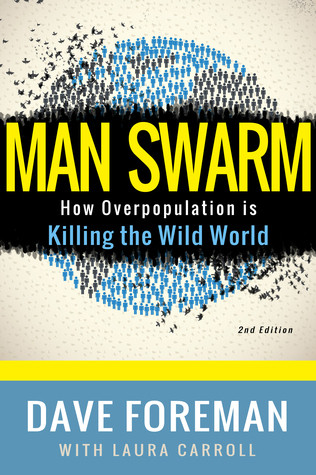
Author Dave Foreman in How Overpopulation is Killing the Wild World claimed to unveil a truth that has already come into play, even before he wrote it—that overpopulation is killing the world.
However, he also claims that this pandemic is solvable.
In simple yet effective ways, Foreman discusses how, if we are aware of our actions, and through proactive stances, we can "solve"—the blurbs suggest—the problem of overpopulation. Read More...