New Strain Of Bird Flu Threatens Australian Wildlife
-
 Loading...
 - henry mason
- 04 Oct 2024
- 53 Views
- 0 Like
- 0 Comment
A new strain of bird flu, known as HPAI H5N1 2.3.4.4b, is spreading across the globe and is raising concerns about its potential impact on Australian wildlife. While this virus has not yet reached Australia as of September 2024, it has already caused widespread illness and death in wild birds across other continents. The Australian Wildlife Conservancy (AWC) is preparing to monitor and report any signs of the virus once it arrives and is urging the public to stay vigilant in looking for symptoms in wildlife.
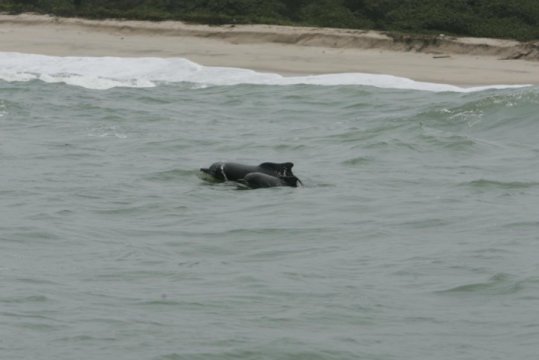
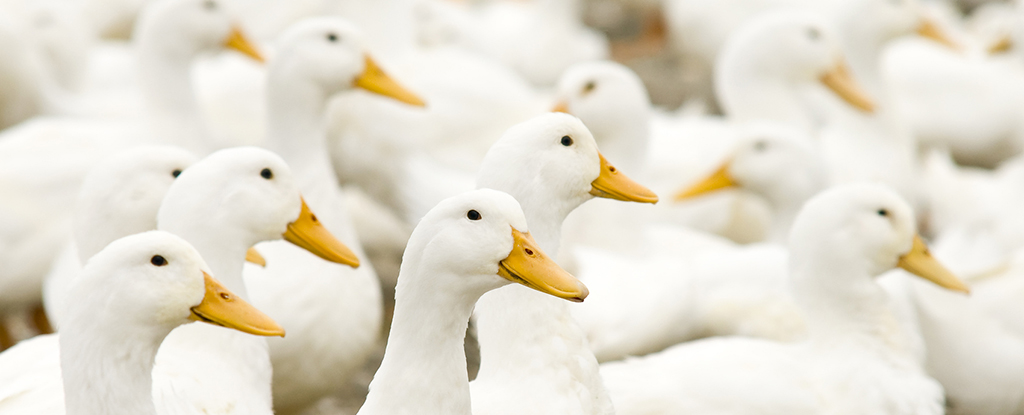
The current bird flu outbreak primarily affects water birds, shorebirds, seabirds, and predatory or scavenging species, with the virus most commonly spreading among ducks and other waterfowl. This strain has led to mass die-offs in species like pelicans, with Peru losing 40% of its pelican population in just 12 months after the virus reached South America in 2022. The flu can also infect mammals, including seals, sea lions, and scavengers.
In Australia, bird species such as the Bar-tailed Godwit, which migrates across the globe to breed, could be at significant risk, along with other waterfowl and seabirds. Conservationists fear the virus could have devastating consequences for native wildlife and may even pose an extinction risk for certain already threatened species. Symptoms in birds often include loss of coordination, trembling, and respiratory distress.
Although bird flu typically does not infect humans, certain subtypes of the virus have been associated with severe human disease in the past. The AWC is calling for awareness and timely reporting of any signs of illness in animals to help contain the virus when it arrives.