Home Upload Photo Upload Videos Write a Blog Analytics Messaging Streaming Create Adverts Creators Program
Bebuzee Afghanistan Bebuzee Albania Bebuzee Algeria Bebuzee Andorra Bebuzee Angola Bebuzee Antigua and Barbuda Bebuzee Argentina Bebuzee Armenia Bebuzee Australia Bebuzee Austria Bebuzee Azerbaijan Bebuzee Bahamas Bebuzee Bahrain Bebuzee Bangladesh Bebuzee Barbados Bebuzee Belarus Bebuzee Belgium Bebuzee Belize Bebuzee Benin Bebuzee Bhutan Bebuzee Bolivia Bebuzee Bosnia and Herzegovina Bebuzee Botswana Bebuzee Brazil Bebuzee Brunei Bebuzee Bulgaria Bebuzee Burkina Faso Bebuzee Burundi Bebuzee Cabo Verde Bebuzee Cambodia Bebuzee Cameroon Bebuzee Canada Bebuzee Central African Republic Bebuzee Chad Bebuzee Chile Bebuzee China Bebuzee Colombia Bebuzee Comoros Bebuzee Costa Rica Bebuzee Côte d'Ivoire Bebuzee Croatia Bebuzee Cuba Bebuzee Cyprus Bebuzee Czech Republic Bebuzee Democratic Republic of the Congo Bebuzee Denmark Bebuzee Djibouti Bebuzee Dominica Bebuzee Dominican Republic Bebuzee Ecuador Bebuzee Egypt Bebuzee El Salvador Bebuzee Equatorial Guinea Bebuzee Eritrea Bebuzee Estonia Bebuzee Eswatini Bebuzee Ethiopia Bebuzee Fiji Bebuzee Finland Bebuzee France Bebuzee Gabon Bebuzee Gambia Bebuzee Georgia Bebuzee Germany Bebuzee Ghana Bebuzee Greece Bebuzee Grenada Bebuzee Guatemala Bebuzee Guinea Bebuzee Guinea-Bissau Bebuzee Guyana Bebuzee Haiti Bebuzee Honduras Bebuzee Hong Kong Bebuzee Hungary Bebuzee Iceland Bebuzee India Bebuzee Indonesia Bebuzee Iran Bebuzee Iraq Bebuzee Ireland Bebuzee Israel Bebuzee Italy Bebuzee Jamaica Bebuzee Japan Bebuzee Jordan Bebuzee Kazakhstan Bebuzee Kenya Bebuzee Kiribati Bebuzee Kuwait Bebuzee Kyrgyzstan Bebuzee Laos Bebuzee Latvia Bebuzee Lebanon Bebuzee Lesotho Bebuzee Liberia Bebuzee Libya Bebuzee Liechtenstein Bebuzee Lithuania Bebuzee Luxembourg Bebuzee Madagascar Bebuzee Malawi Bebuzee Malaysia Bebuzee Maldives Bebuzee Mali Bebuzee Malta Bebuzee Marshall Islands Bebuzee Mauritania Bebuzee Mauritius Bebuzee Mexico Bebuzee Micronesia Bebuzee Moldova Bebuzee Monaco Bebuzee Mongolia Bebuzee Montenegro Bebuzee Morocco Bebuzee Mozambique Bebuzee Myanmar Bebuzee Namibia Bebuzee Nauru Bebuzee Nepal Bebuzee Netherlands Bebuzee New Zealand Bebuzee Nicaragua Bebuzee Niger Bebuzee Nigeria Bebuzee North Korea Bebuzee North Macedonia Bebuzee Norway Bebuzee Oman Bebuzee Pakistan Bebuzee Palau Bebuzee Panama Bebuzee Papua New Guinea Bebuzee Paraguay Bebuzee Peru Bebuzee Philippines Bebuzee Poland Bebuzee Portugal Bebuzee Qatar Bebuzee Republic of the Congo Bebuzee Romania Bebuzee Russia Bebuzee Rwanda Bebuzee Saint Kitts and Nevis Bebuzee Saint Lucia Bebuzee Saint Vincent and the Grenadines Bebuzee Samoa Bebuzee San Marino Bebuzee São Tomé and Príncipe Bebuzee Saudi Arabia Bebuzee Senegal Bebuzee Serbia Bebuzee Seychelles Bebuzee Sierra Leone Bebuzee Singapore Bebuzee Slovakia Bebuzee Slovenia Bebuzee Solomon Islands Bebuzee Somalia Bebuzee South Africa Bebuzee South Korea Bebuzee South Sudan Bebuzee Spain Bebuzee Sri Lanka Bebuzee Sudan Bebuzee Suriname Bebuzee Sweden Bebuzee Switzerland Bebuzee Syria Bebuzee Taiwan Bebuzee Tajikistan Bebuzee Tanzania Bebuzee Thailand Bebuzee Timor-Leste Bebuzee Togo Bebuzee Tonga Bebuzee Trinidad and Tobago Bebuzee Tunisia Bebuzee Turkey Bebuzee Turkmenistan Bebuzee Tuvalu Bebuzee Uganda Bebuzee Ukraine Bebuzee United Arab Emirates Bebuzee United Kingdom Bebuzee Uruguay Bebuzee Uzbekistan Bebuzee Vanuatu Bebuzee Venezuela Bebuzee Vietnam Bebuzee World Wide Bebuzee Yemen Bebuzee Zambia Bebuzee Zimbabwe
Blog Image

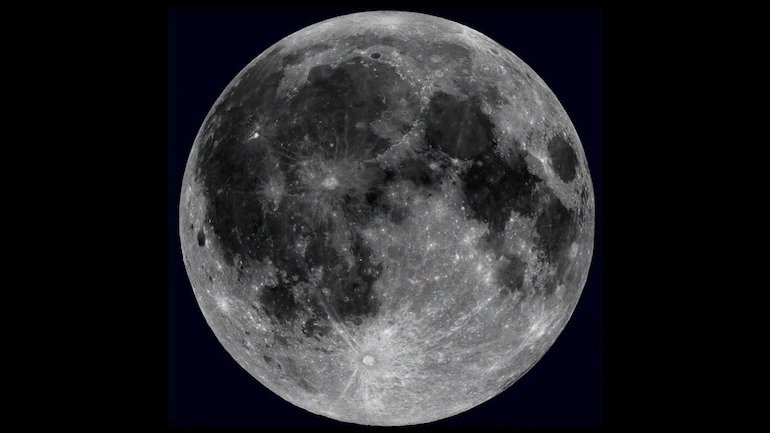
Moon is pulling Earth's water, scientist finds a unique lunar source

India's Chandrayaan was the first mission to detect water on the Moon. Nearly 14 years later, we know its source. The water likely came from Earth.

As humans plan to return to the Moon, their machine counterparts have already been surveying the lunar surface, creating its topography and geological features and shedding light on even the permanently dark regions. The biggest breakthrough, led by India's Chandrayaan mission, was the discovery of water on the Moon in 2008. Nearly 14 years after the first detection, we now know where this water came from.

It came from Earth.

A new study led by scientists from the University of Alaska Fairbanks Geophysical Institute hints that water on the Moon could be a result of the hydrogen and oxygen ions escaping from Earth’s upper atmosphere and combining on the moon. Led by Gunther Kletetschka of the University of Alaska, the research adds to a vast pool of studies underway to identify the source of water at the moon’s north and south poles.

WATER ON THE MOON

The detection of water reserves on the airless world of the Moon will be of critical use as astronauts from the US, Europe, and China plan to arrive on the surface and build bases to push forward towards Mars. “As NASA’s Artemis team plans to build a base camp on the moon’s south pole, the water ions that originated many eons ago on Earth can be used in the astronauts’ life support system," Kletetschka said.

The new research estimates that the Moon could be hiding nearly 3,500 cubic kilometers of permafrost or subsurface liquid water created from ions that escaped Earth’s atmosphere. The estimates have been made by taking into consideration the lowest volume of ions escaping Earth and 1 per cent reaching the moon.

Published in the journal Scientific Reports, the study suggests that these unique locations serve as potential resource utilisation sites for future landing exploration and habitats.

HOW DOES WATER ESCAPE TO THE MOON?

The research suggests that hydrogen and oxygen ions are driven into the moon when it passes through the tail of the Earth’s magnetosphere, which it does on five days of the moon’s monthly trip around the planet. The magnetosphere is created by Earth’s magnetic field that shields the planet from much of the continual stream of charged solar particles.

Studies led by Nasa and the European Space Agency have already revealed significant numbers of water-forming ions present during the moon’s transit through this part of the magnetosphere. "The presence of the moon in the magnetosphere’s tail, called the magnetotail, temporarily affects some of Earth’s magnetic field lines — those that are broken and which simply trail off into space for many thousands of miles," the University of Alaska Fairbanks said in a statement.

The moon’s presence in the magnetotail causes some of these broken-field lines to reconnect with their opposing broken counterparts. When that happens, hydrogen and oxygen ions that had escaped Earth rush to those reconnected field lines and are accelerated back toward Earth. These passing ions hit the Moon and combine to form the lunar permafrost. Read More...

 

Previous Post

Nutrizione: scopriamo fake news e falsi miti

Next Post

China launches Jilin-1 commercial satellites

Comments