Mix more realistic-looking colours
-
 Loading...
 - Moses Ohene
- 26 Aug 2022
- 78 Views
- 0 Like
- 0 Comment
The most important lesson you can learn about how to accurately mix colour is the relationship that complementary colours have with each other. No matter what medium you use, from coloured pencils through to oil paints, being able to understand the effect these colour combinations have on each other is crucial to understanding colour mixing.
When mixing colour, begin by choosing a tube colour that's closest to the shade you're trying to emulate in paint. Next, look at your subject's tone to decide whether you need to make the tube colour darker or lighter.
Then look at the saturation of the colour you're attempting to mix. You can't make the colour straight out of the tube any more vibrant, so most of the time you'll be desaturating the colour or greying it down. This is where the alchemy of complementary colours comes into its own.
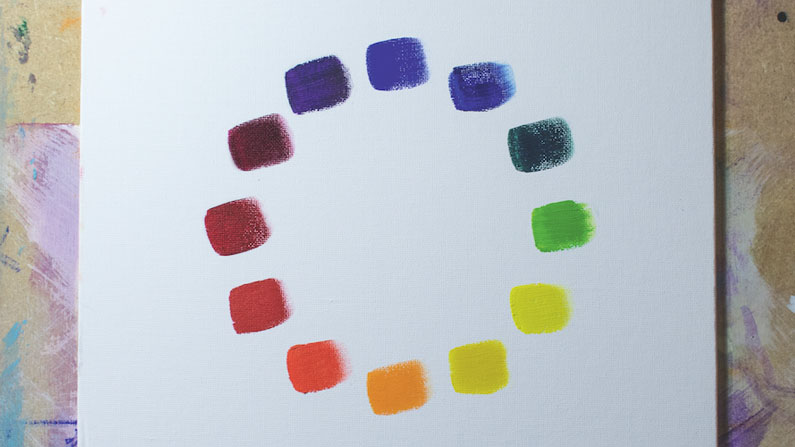
Let's take two complementary colours from the colour wheel onto our palette, to experiment with what we can achieve when we put them together. Follow these steps to use complementary shades to mix colours accurately. Read More...