Home Upload Photo Upload Videos Write a Blog Analytics Messaging Streaming Create Adverts Creators Program
Bebuzee Afghanistan Bebuzee Albania Bebuzee Algeria Bebuzee Andorra Bebuzee Angola Bebuzee Antigua and Barbuda Bebuzee Argentina Bebuzee Armenia Bebuzee Australia Bebuzee Austria Bebuzee Azerbaijan Bebuzee Bahamas Bebuzee Bahrain Bebuzee Bangladesh Bebuzee Barbados Bebuzee Belarus Bebuzee Belgium Bebuzee Belize Bebuzee Benin Bebuzee Bhutan Bebuzee Bolivia Bebuzee Bosnia and Herzegovina Bebuzee Botswana Bebuzee Brazil Bebuzee Brunei Bebuzee Bulgaria Bebuzee Burkina Faso Bebuzee Burundi Bebuzee Cabo Verde Bebuzee Cambodia Bebuzee Cameroon Bebuzee Canada Bebuzee Central African Republic Bebuzee Chad Bebuzee Chile Bebuzee China Bebuzee Colombia Bebuzee Comoros Bebuzee Costa Rica Bebuzee Côte d'Ivoire Bebuzee Croatia Bebuzee Cuba Bebuzee Cyprus Bebuzee Czech Republic Bebuzee Democratic Republic of the Congo Bebuzee Denmark Bebuzee Djibouti Bebuzee Dominica Bebuzee Dominican Republic Bebuzee Ecuador Bebuzee Egypt Bebuzee El Salvador Bebuzee Equatorial Guinea Bebuzee Eritrea Bebuzee Estonia Bebuzee Eswatini Bebuzee Ethiopia Bebuzee Fiji Bebuzee Finland Bebuzee France Bebuzee Gabon Bebuzee Gambia Bebuzee Georgia Bebuzee Germany Bebuzee Ghana Bebuzee Greece Bebuzee Grenada Bebuzee Guatemala Bebuzee Guinea Bebuzee Guinea-Bissau Bebuzee Guyana Bebuzee Haiti Bebuzee Honduras Bebuzee Hong Kong Bebuzee Hungary Bebuzee Iceland Bebuzee India Bebuzee Indonesia Bebuzee Iran Bebuzee Iraq Bebuzee Ireland Bebuzee Israel Bebuzee Italy Bebuzee Jamaica Bebuzee Japan Bebuzee Jordan Bebuzee Kazakhstan Bebuzee Kenya Bebuzee Kiribati Bebuzee Kuwait Bebuzee Kyrgyzstan Bebuzee Laos Bebuzee Latvia Bebuzee Lebanon Bebuzee Lesotho Bebuzee Liberia Bebuzee Libya Bebuzee Liechtenstein Bebuzee Lithuania Bebuzee Luxembourg Bebuzee Madagascar Bebuzee Malawi Bebuzee Malaysia Bebuzee Maldives Bebuzee Mali Bebuzee Malta Bebuzee Marshall Islands Bebuzee Mauritania Bebuzee Mauritius Bebuzee Mexico Bebuzee Micronesia Bebuzee Moldova Bebuzee Monaco Bebuzee Mongolia Bebuzee Montenegro Bebuzee Morocco Bebuzee Mozambique Bebuzee Myanmar Bebuzee Namibia Bebuzee Nauru Bebuzee Nepal Bebuzee Netherlands Bebuzee New Zealand Bebuzee Nicaragua Bebuzee Niger Bebuzee Nigeria Bebuzee North Korea Bebuzee North Macedonia Bebuzee Norway Bebuzee Oman Bebuzee Pakistan Bebuzee Palau Bebuzee Panama Bebuzee Papua New Guinea Bebuzee Paraguay Bebuzee Peru Bebuzee Philippines Bebuzee Poland Bebuzee Portugal Bebuzee Qatar Bebuzee Republic of the Congo Bebuzee Romania Bebuzee Russia Bebuzee Rwanda Bebuzee Saint Kitts and Nevis Bebuzee Saint Lucia Bebuzee Saint Vincent and the Grenadines Bebuzee Samoa Bebuzee San Marino Bebuzee São Tomé and Príncipe Bebuzee Saudi Arabia Bebuzee Senegal Bebuzee Serbia Bebuzee Seychelles Bebuzee Sierra Leone Bebuzee Singapore Bebuzee Slovakia Bebuzee Slovenia Bebuzee Solomon Islands Bebuzee Somalia Bebuzee South Africa Bebuzee South Korea Bebuzee South Sudan Bebuzee Spain Bebuzee Sri Lanka Bebuzee Sudan Bebuzee Suriname Bebuzee Sweden Bebuzee Switzerland Bebuzee Syria Bebuzee Taiwan Bebuzee Tajikistan Bebuzee Tanzania Bebuzee Thailand Bebuzee Timor-Leste Bebuzee Togo Bebuzee Tonga Bebuzee Trinidad and Tobago Bebuzee Tunisia Bebuzee Turkey Bebuzee Turkmenistan Bebuzee Tuvalu Bebuzee Uganda Bebuzee Ukraine Bebuzee United Arab Emirates Bebuzee United Kingdom Bebuzee Uruguay Bebuzee Uzbekistan Bebuzee Vanuatu Bebuzee Venezuela Bebuzee Vietnam Bebuzee World Wide Bebuzee Yemen Bebuzee Zambia Bebuzee Zimbabwe
Blog Image

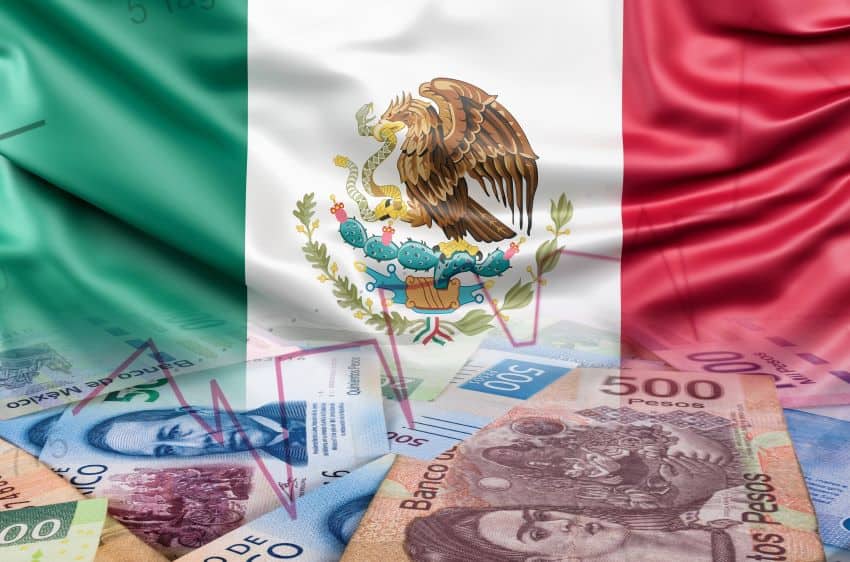
Mexico’s 2025 GDP Growth Likely to Lag Behind Other Latin American Nations

As Latin America anticipates moderate economic gains in 2025, projections from both the World Bank and the United Nations indicate that Mexico's growth will fall behind that of its regional counterparts. The World Bank forecasts a 2.6% growth rate for the Latin America and Caribbean region, while the U.N. Economic Commission for Latin America and the Caribbean (Cepal) predicts a slightly lower growth rate of 2.4% for the same period.

In stark contrast, Mexico's projected growth rates are significantly lower, with the World Bank estimating a 1.5% increase in GDP for 2025, and Cepal forecasting a mere 1.2% growth. These figures place Mexico among the lowest in the region, surpassing only Haiti and Cuba in terms of growth potential.

A recent survey conducted by Mexico’s central bank, Banxico, aligns with Cepal’s more pessimistic outlook, as local analysts have revised the country’s growth forecast for 2025 down from 1.20% to 1.12%. This adjustment reflects growing concerns about the economic environment in Mexico.

In an October report, the World Bank cited investor uncertainty as a key factor contributing to its cautious outlook for Mexico. One significant concern is that Mexico is not fully capitalizing on the nearshoring trend, which has seen multinational companies relocating operations closer to the U.S. market. According to Mark Thomas, the World Bank's country director for Mexico, Colombia, and Venezuela, these companies currently contribute only about 0.2% to Mexico’s GDP.

Several factors contribute to the subdued growth projections for Mexico. Issues such as water availability, energy supply, and land costs are significant concerns for potential investors. Additionally, insecurity, government policies, and constitutional reforms—particularly a controversial judicial reform—are seen as major obstacles to economic growth.

The Banxico survey revealed a lack of confidence among analysts regarding the resolution of these issues. A striking 77% of respondents expect Mexico’s business climate to deteriorate, while 59% believe it is currently a "bad time" to invest in the country.

Cepal's year-end report to the United Nations highlights a complex economic landscape for Latin America and the Caribbean in the coming years. The report suggests that the region will remain trapped in a cycle of low growth capacity, with economic dynamics increasingly reliant on private consumption rather than investment.

José Manuel Salazar-Xirinachs, Cepal’s executive secretary, pointed out that Mexico is particularly vulnerable to external threats, such as potential tariffs on Mexican imports from the U.S. should Donald Trump return to the presidency. Given that 84% of Mexico's exports are sent to the United States, any tariff imposition could have significant repercussions.

Salazar-Xirinachs warned that if Trump were to implement a 10% tariff, it could lead to a reduction in Mexico's GDP by 0.8% to 1%, further complicating the country’s economic recovery and growth prospects.

As Mexico navigates a challenging economic landscape, the projections for 2025 indicate a need for strategic reforms and improvements in the business environment to foster growth. With external pressures and internal challenges, the country faces an uphill battle to enhance its economic performance relative to its Latin American neighbors.

Previous Post

Nearly 80% of Firms Expect Continued Economic Growth in Japan in 2025

Next Post

Spiritual Importance of Vaishno Devi Prasad Online Delivery

Comments