Many Brazilian parents no longer vaccinate children against controlled diseases
-
 Loading...
 - Anton Hristova
- 13 Sep 2022
- 74 Views
- 0 Like
- 0 Comment
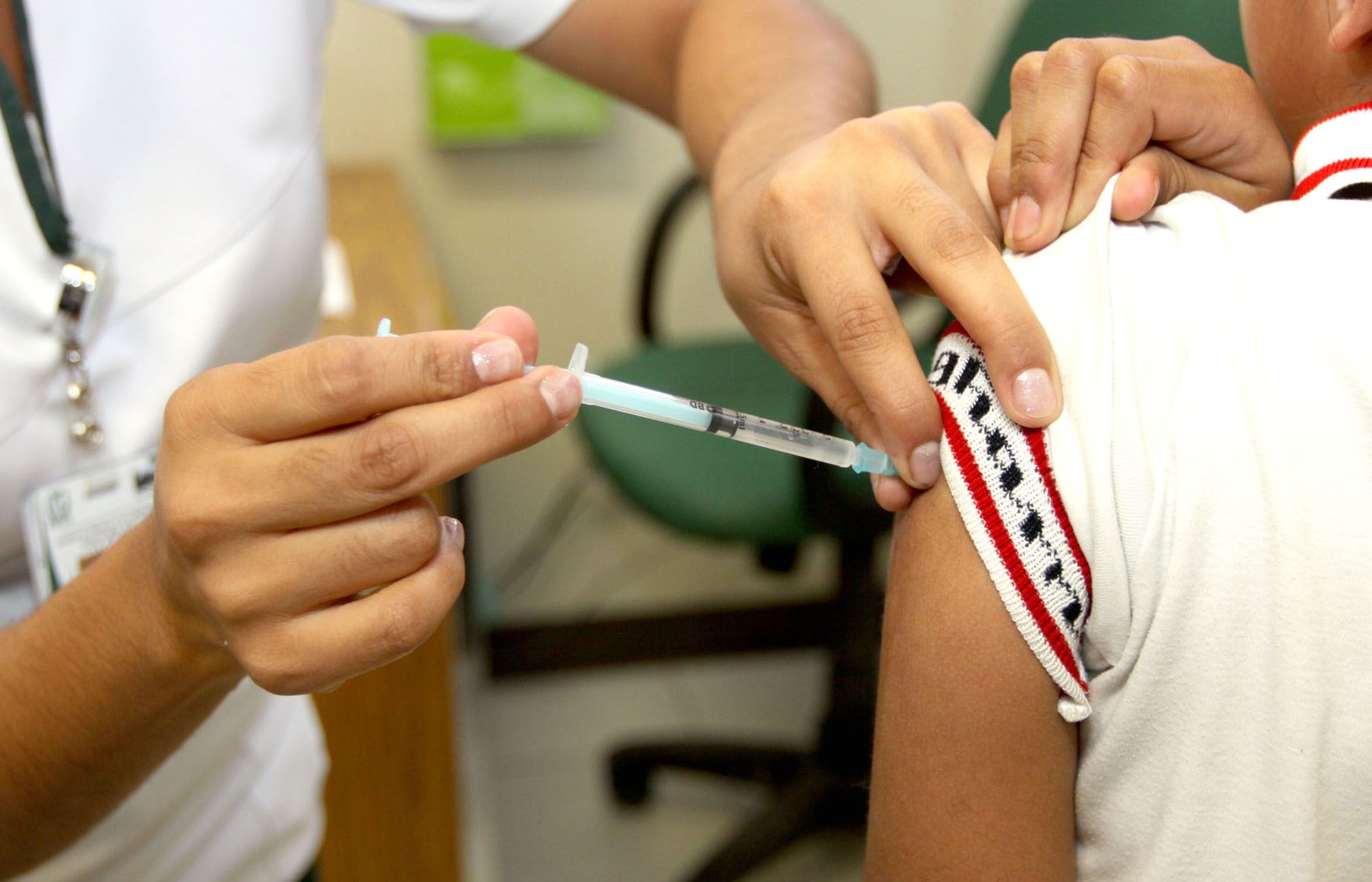
Brazilian scientists have expressed their concern over a recurrent attitude among parents who have ceased to vaccinate their children against diseases that have been eradicated but which might return without proper care.
According to a study released on the 24th National Immunization Day, 16% of Brazilians considered it unnecessary to apply vaccines to their children against diseases that no longer circulate in the country. The data is from the Vaccine Coverage Survey of children born in 2017 and 2018. More than 38,000 interviews were conducted for the survey.
Despite the apparently small number of cases, experts are concerned, since Brazil has been failing to meet the goals of vaccine coverage and presents a drop in vaccination numbers since 2015. Without meeting the goals, the chances of Brazil returning to diseases that, until then, were considered eliminated or controlled, such as polio, increase.
Since Brazil has not recorded any cases of polio since 1989, many people mistakenly think that it is no longer necessary to be vaccinated against the disease. What happens, however, is that the fewer people get vaccinated, the more the risk of the disease developing again in the country increases, as was the case with measles.
Brazil was certified to have eliminated the disease in 2016, but three years later, with low vaccination coverage, the country lost its recognition for failing to control an outbreak of measles, which spread throughout several states.
The survey also showed that a small number of people (about 3%) decided not to take their children to receive one or more vaccines. Of this total, 24.5% said they did not do so because of the COVID-19 pandemic, or because of fear of [adverse]reactions to the vaccines (24.4%).
Others (7.6%) said they had tried to take their children to vaccination, but had found it difficult to do so. The main difficulty reported was the fact that health centers were far from homes or workplaces (21%), followed by lack of time (16.6%), inadequate opening hours of the health center (14.1%), and even lack of transportation means to get to the vaccination site (12%). Read More...