Manage Your Hormonal Shifts Through Healthy Workouts: A Physiotherapist Explains
-
 Loading...
 - Sarah Wilson
- 02 Sep 2022
- 73 Views
- 0 Like
- 0 Comment
Turning to supplements and medications for treating hormone-related health issues like anxiety, stress, mood swings, sleep deprivation etc. is quite normal. But keeping yourself engaged in physical activities too can help you in balancing your hormones. As we are living in a fast-paced modern society, regular exercise has become more important than ever. There are a number of benefits associated with daily exercise, but did you know that this can also help in keeping your hormones under control? Yes, you heard it right. Let's know more about how workouts can help in your hormonal well-being.
Hormones that are affected by regular exercises
Here are some of the hormones that are affected by regular exercise -
Dopamine: Studies have shown that exercising daily can increase the dopamine levels in your brain. This hormone stimulates the feel- good transmitters and decreases stress.
Serotonin: Engaging in physical activity means that your serotonin levels are boasted. Increase level of serotonin in your brain positively impacts your mood, social behavior, appetite, digestion, memory and sexual function. Many people rely on pills to sleep but increased serotonin levels can help such people sleep better.
Human growth hormones: Regular exercise helps your body burn fat and to make energy from the reserved fat. Human growth hormones are also impacted positively with exercise.
Estrogen - Keeping your heartbeat fast for at least half an hour a day can positively impact your estrogen levels.
Testosterone - This hormone impacts a number of health aspects of a man like muscle mass, strength, sex drive, and sperm count. Regular exercise is proven to increase the testosterone levels in males.
Exercises to do for hormonal balance
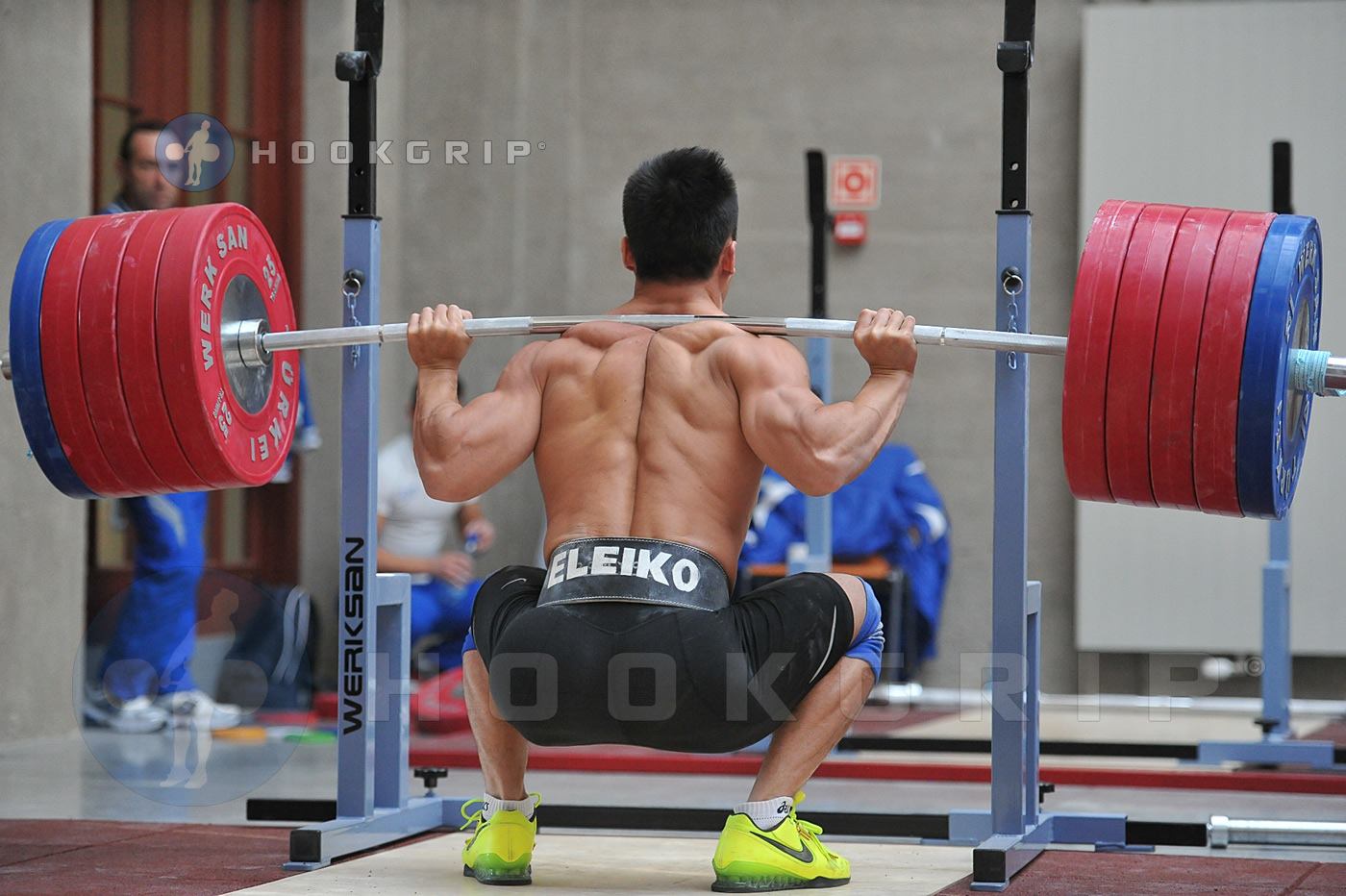
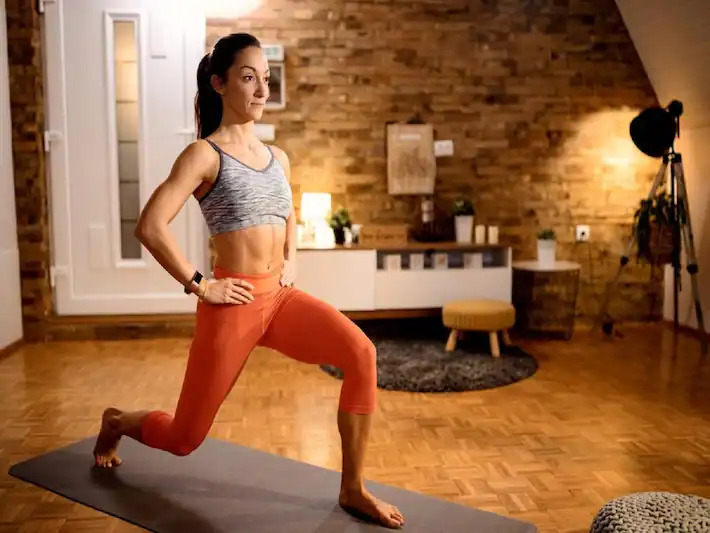
Strength training: A general full body routine 2-3 times a week can do wonders. You can go for strength training like upper pushing (like pushup or overhead press), lower pulling (like a deadlift or hip bridge), upper pulling (like a pull-up or row) and lower pushing (like a squat or lunge). Read More…