Mali Rising Provides Education to Children in Mali

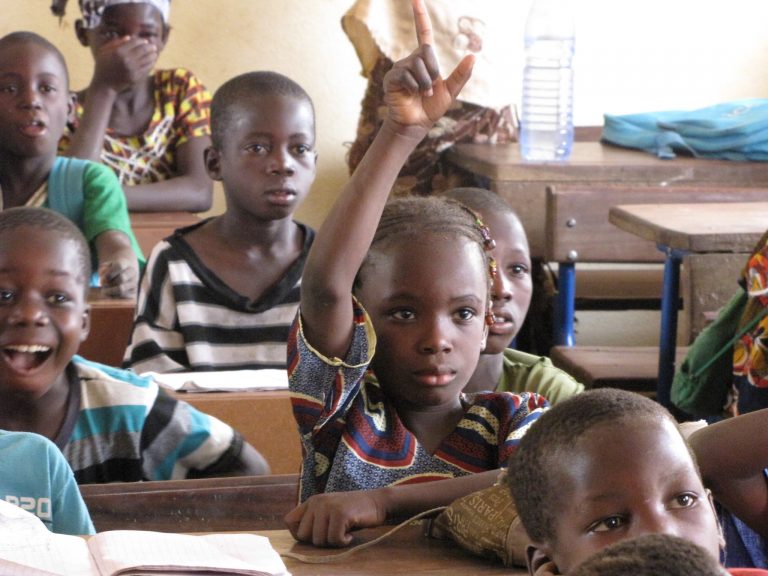
Mali Rising Foundation, established in 2004, is an organization dedicated to providing education to middle school students in the country of Mali. In 2022, Mali placed third in the world for the lowest-ranked education systems and adult literacy rates. Mali Rising Foundation is working to change that by providing quality education to children in Mali.
The Education Crisis in Mali
As of 2018, the average literacy rate in Mali for people aged 15 and older is 35%, making Mali one of the least literate countries in the world. Furthermore, the gross enrollment ratio for primary school is 75%, but that percentage drops to 41% for students enrolled in secondary education. It is notable that more males are enrolled in school than females by a significant amount. In 2018, the number of female children out of school stood at more than 711,000 in comparison to more than 631,000 males. These numbers are only increasing, as in the year prior, Mali noted about 566,000 female children out of school and about 465,000 out-of-school male children.
Many factors contribute to the lack of available education in Mali, such as “household poverty, child labor, child marriage, insecurity and a lack of schools close to children’s homes.” The lack of qualified teachers also plays a role. In addition, poor quality education gives parents less of an incentive to send their children to school. In 2010, Mali estimated that 35% of Malian children who complete primary school would not meet the requirements for secondary education. Even then, private secondary education and vocational schooling can cost up to $500 a year, which is almost half of the average annual salary in Mali, $1,260 per year in 2022.
Why Mali?
Mali Rising Foundation chooses to focus on giving an education to children in Mali because the country is home to a plethora of languages, ethnic groups and cultures. In 1960, Mali gained independence from France, but the country struggled deeply until the 1990s.
For a few decades, Mali stood as a stable country noting economic and social progress, until 2012, when a coup in the northern part of the country resulted in widespread conflict. The government has regained control since then, but terrorist attacks still happen throughout the country.
Improving education will kickstart the change Mali needs as more education will result in more development across the country improving the workforce, economy, health care system and overall government. “Mali faces an enormous challenge when it comes to developing the teachers, farmers, doctors, politicians and other leaders necessary to build a stable and prosperous future,” the organization says on its website. With conflict throughout the country, it is vital that the youth receive an education in hopes of changing their country’s future. Read More...