Living as a Moroccan Muslim: A Guide to Embracing the Rich Culture and Faith
-
 Loading...
 - Martina Biondi
- 14 Aug 2024
- 65 Views
- 0 Like
- 0 Comment
Morocco, a country located in the northwest corner of Africa, is a vibrant tapestry of Islamic traditions, rich cultural heritage, and warm hospitality. As a Moroccan Muslim, living a life that balances faith, culture, and modernity can be a beautiful and rewarding experience. In this article, we'll delve into the intricacies of living as a Moroccan Muslim, exploring the customs, traditions, and values that shape daily life.
Faith and Spirituality
Islam is the dominant religion in Morocco, and it plays a significant role in shaping the daily lives of Moroccan Muslims. Here are some key aspects of faith and spirituality:
1. Prayer: Performing the five daily prayers (Salah) is an essential part of a Moroccan Muslim's daily routine. Mosques are abundant in Morocco, and many Muslims attend congregational prayers, especially on Fridays.
2. Ramadan: The holy month of Ramadan is a time of fasting, reflection, and spiritual growth. Moroccan Muslims fast from dawn to sunset, and the evenings are filled with family gatherings, iftar meals, and taraweeh prayers.
3. Eid Celebrations: Eid al-Fitr and Eid al-Adha are two significant festivals in the Islamic calendar. Moroccan Muslims celebrate these occasions with family gatherings, traditional foods, and gift-giving.
Cultural Traditions
Moroccan culture is a unique blend of Arab, Berber, and French influences. Here are some cultural traditions that shape daily life:
- Hospitality: Moroccans are known for their warm hospitality. Guests are treated with respect and generosity, often with a traditional cup of mint tea and sweet pastries.
- Family Ties: Family is highly valued in Moroccan culture. Sunday lunches with extended family members are a common tradition, and respect for elders is deeply ingrained.
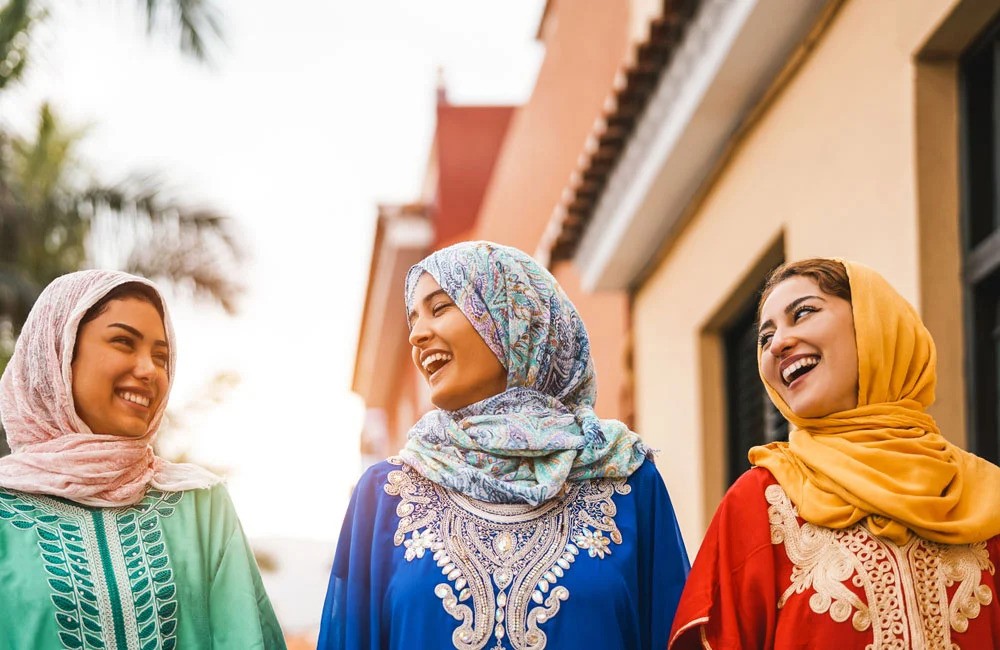
- Traditional Clothing: The djellaba, a long, flowing robe, is a traditional garment worn by both men and women. It's a symbol of cultural identity and is often worn on special occasions.
Daily Life
Here are some aspects of daily life as a Moroccan Muslim:
- Food: Moroccan cuisine is a delicious blend of spices, meats, and vegetables. Traditional dishes like tagine, couscous, and harira are staples in many Moroccan households.
- Social Etiquette: Moroccans place great importance on social etiquette. Respect for elders, politeness, and good manners are essential in daily interactions.
- Education: Education is highly valued in Moroccan society. Many Moroccan Muslims pursue higher education, and literacy rates are high.
Modern Challenges and Opportunities
As a Moroccan Muslim, navigating modern challenges and opportunities requires a delicate balance between tradition and progress. Here are some key issues:
- Gender Roles: Moroccan women are increasingly taking on more prominent roles in society, but traditional gender roles still prevail in many households.
- Urbanization: Morocco's rapid urbanization has led to a shift from traditional rural lifestyles to modern city living, presenting both opportunities and challenges.
- Globalization: The influence of globalization has brought about changes in Moroccan society, from fashion to food. Moroccan Muslims must navigate these changes while maintaining their cultural identity.
Living as a Moroccan Muslim is a rich and rewarding experience that combines faith, culture, and tradition. By embracing the values and customs outlined above, Moroccan Muslims can navigate the complexities of modern life while remaining true to their heritage. As a Moroccan Muslim, you are part of a vibrant and diverse community that is proud of its history, culture, and faith.