Learning the Why and How's of Equalization During Scuba Diving
-
 Loading...
 - felicity mariam
- 25 Aug 2022
- 57 Views
- 0 Like
- 0 Comment
Being underwater – be it through snorkeling, free diving or scuba diving – is a wonderful way to enjoy a completely different world to our land one. But by exploring this new world, our bodies are exposed to physiological changes created thanks to the difference between air and water.
Your Ears and the Underwater World
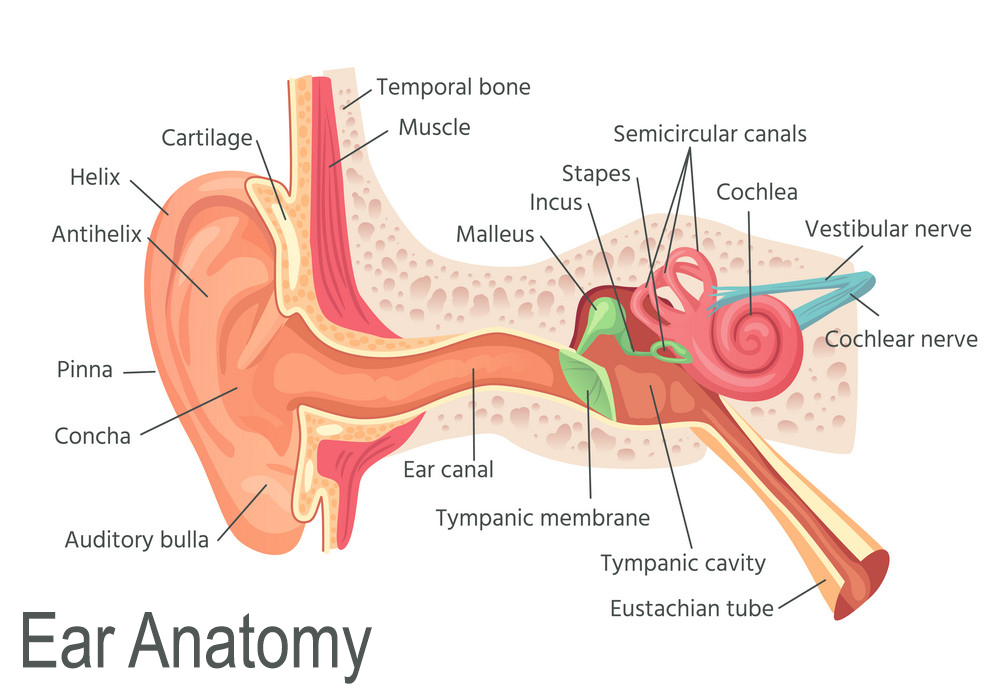
Your body is filled with “dead air spaces.” One of these dead air spaces is the air space within our middle ear. The middle ear is sealed by the eardrum and connected to the outer world by the Eustachian tubes running at the back of your throat.
In normal everyday conditions, when the outside pressure is normal, the Eustachian tubes are closed. But as we descend in water, for instance, during a dive, the pressure of the surrounding water is higher than what we are used to on land. This causes the water to press against the eardrum bending it inward. To adapt our ears to this pressure difference, and restore the lost volume we must compensate by sending air into the inner ear through the normally closed Eustachian tube.
A Guide on Equalization Methods
If you’ve been down to the bottom of a deep pool, flown in an airplane or driven to the top of a high mountain – the feeling of increased or decreased ear pressure will be a feeling that is familiar to you. This feeling is very similar when it comes to snorkeling, freediving and scuba diving.
There are several different ways people decide to equalize. Most involve some combination of exhaling, swallowing or nose pinching. Although each technique is slightly different, no one method is superior to the other. At the end of the day, it is important to pick the one that works best for you.
“Valsalva” Method
The Valsalva method is one of the most common methods that involves exhaling gently against a closed airway. The slight over-pressurization in the throat forces air up into the Eustachian tubes. To do the Valsalva method, a person simply pinches the nose and gently blows into it, with an emphasis on GENTLE. Blowing too forcefully can lead to barotrauma. Read More…