Japan schools grapple with attendance of kids in alternative education
-
 Loading...
 - Yui Yamamoto
- 17 Feb 2023
- 55 Views
- 0 Like
- 0 Comment
The number of children who refuse to go to regular schools is on the rise in Japan, and there are many who attend alternative schools such as "free schools" operated by private organizations. Although cooperation between these facilities and regular schools is progressing, some school officials are still pondering whether attendance at free schools should be counted as regular attendance.
Japan's law on educational opportunities, which came into effect in 2016, stipulates that the national and local governments are responsible for securing educational opportunities outside of school as a measure against truancy.
In Chiba Prefecture, support for children who refuse to attend regular classes has been promoted, and the prefectural education board has begun exchanging opinions with private organizations that operate free schools and other programs. Amid such circumstances, the organizations have been asking that students' participation in free schools be treated as regular school attendance. This is a serious issue for junior high school students, in particular, as frequent absences from school may be disadvantageous in high school entrance examinations among other occasions.
In 2019, the prefectural education board notified municipal education boards that attendance can be recognized if a student goes to a free school, and the number of organizations operating facilities accepted by public schools for attendance purposes increased significantly from 27 in the 2018 academic year to 64 in the 2021 school year.
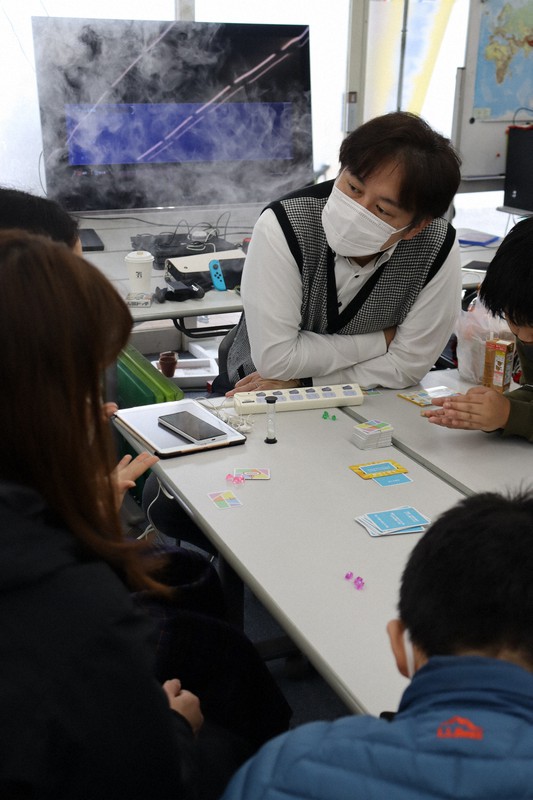
"The environment is better than before," said Atsushi Rusu, 44, who runs Co-Labo, a full-time free school in the city of Chiba's Wakaba Ward, which started in 2019. Most of the 26 children there are treated as attending at the schools where they are officially enrolled, he said.
However, school attendance is not recognized in every case. Education ministry guidelines stipulate that the principal is to decide on whether or not to recognize attendance based on local circumstances. Free schools offer a wide variety of learning experiences, with some focusing on hands-on experiences and play rather than classroom lessons like in conventional schools. Because of this, their programs are often not treated as school attendance. Read More…