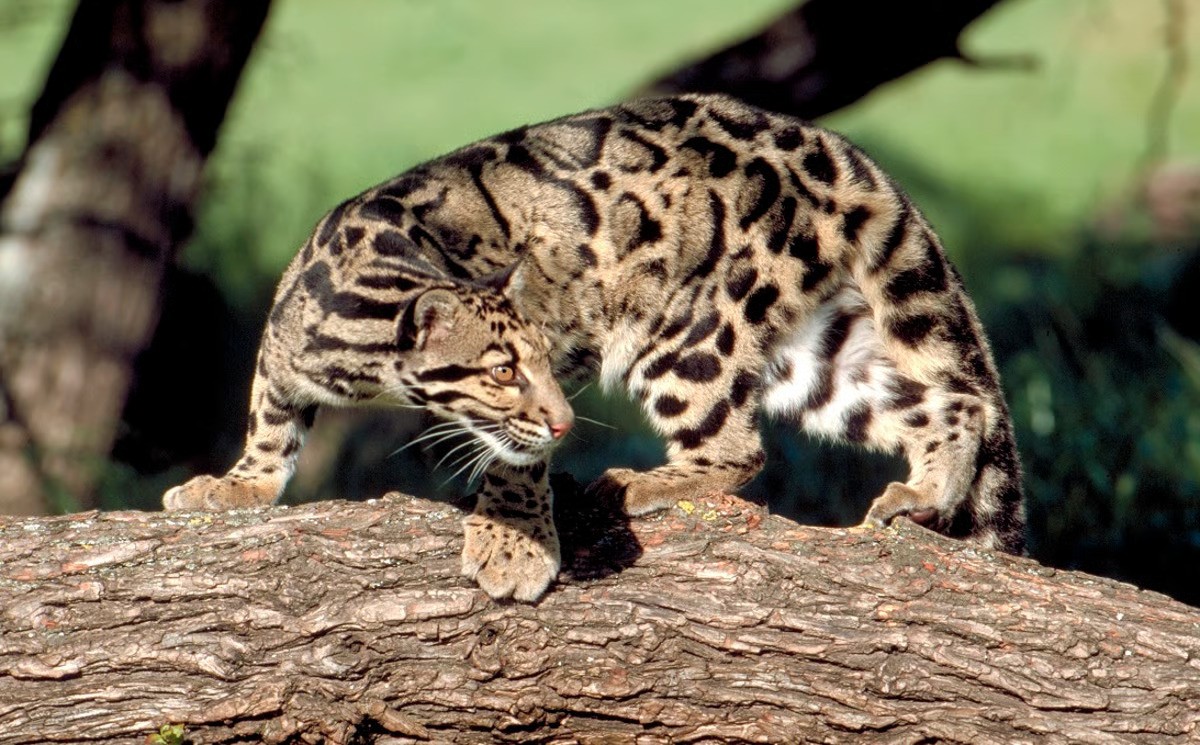
Island of Taiwan Has High Potential for Clouded Leopard Reintroduction

Taiwan is being recognized for its promising potential to reintroduce the clouded leopard (Neofelis nebulosa), a species that was once native to the island but was extirpated decades ago. Recent research has identified significant portions of Taiwan’s terrain as suitable habitats, sparking hope for reintroducing the elusive felid. Here’s a look at the clouded leopard’s history in Taiwan, why it vanished, and the prospects for bringing it back.
History of the Clouded Leopard in Taiwan
The clouded leopard, found across South and Southeast Asia, was once a prominent species on Taiwan, historically known as Formosa. Over time, however, poaching, deforestation, and the exploitation of prey led to the species’ disappearance from the island. The government of Taiwan attributes the probable extinction of the clouded leopard to several factors, including hunting and trade in its pelts—particularly during Japanese rule (1895-1945)—habitat destruction, and the loss of natural prey.
The clouded leopard’s absence was confirmed through extensive camera-trap surveys conducted from 1997 to 2012 in Taiwan’s mountainous interior, the last believed stronghold of the species. These surveys found no evidence of the clouded leopard, concluding that it had likely been extirpated decades earlier.
Taiwan’s Suitability for Reintroduction
Recent ecological changes in Taiwan are creating a viable environment for the reintroduction of the clouded leopard. Key findings from the latest study indicate:
- Suitable Habitat Availability: The study, which used a habitat selection model based on clouded leopard presence-absence data across its existing range, identified 38% of Taiwan’s landmass (13,854 sq km) as potentially suitable for the species. This includes a mix of moderately and highly suitable habitats concentrated in the island’s hilly and mountainous regions.
- Forest Recovery and Hunting Prohibition: Taiwan has seen a steady increase in forest cover over recent decades, with over 60% of the island now classified as forest. Hunting restrictions introduced in the 1970s have allowed local wildlife populations to recover, suggesting a stable environment for potential clouded leopard prey.
- Protected Land: Approximately 46% of the identified suitable habitat lies within protected areas, providing a safer environment for reintroduction and potentially reducing the likelihood of human-wildlife conflict.
The Reintroduction Proposal
A reintroduction effort for the clouded leopard is being led by the Clouded Leopard Association of Taiwan and supported by international conservation groups, including Panthera, the IUCN Species Survival Commission Cat Specialist Group, and the Wildlife Conservation Research Unit. This ambitious plan aims to restore the species to Taiwan, where the Formosan Clouded Leopard—a local subspecies—once roamed.
The proposal’s success depends on several factors, including sufficient habitat, a stable prey population, and sustained protection. While the research underscores Taiwan’s potential as a reintroduction site, the authors caution that there is still a need for thorough habitat analysis and preparation.
Challenges to Reintroduction
While the initial findings are promising, reintroducing the clouded leopard poses a series of challenges:
- Habitat Fragmentation: Although Taiwan has substantial forested areas, lowland and coastal development could restrict the clouded leopard’s range, potentially leading to isolated populations if habitat corridors are not established.
- Human-Wildlife Conflict: Though Taiwan has a history of conservation success, a reintroduction plan must account for potential human-wildlife conflicts, particularly if clouded leopards venture into agricultural or populated areas.
- Ongoing Conservation Support: Sustained financial and logistical support is essential for the success of reintroduction programs, from monitoring released leopards to ensuring sufficient prey availability.
Bringing the Clouded Leopard Back
The outlook for clouded leopard reintroduction in Taiwan remains hopeful. Taiwan’s conservation efforts and increasing forest coverage provide a stable foundation, and ongoing international support could help ensure that the island is prepared for such an undertaking. Conservationists see this project as an opportunity not only to revive a species lost to Taiwan’s ecosystem but also to inspire broader environmental awareness and action.
The clouded leopard reintroduction plan aligns with Taiwan’s growing commitment to environmental stewardship and biodiversity conservation. By reintroducing the clouded leopard, Taiwan could restore a unique piece of its natural heritage, enrich its biodiversity, and set an inspiring precedent for similar projects worldwide. As researchers, conservationists, and the government work toward this goal, the success of Taiwan’s reintroduction efforts could mark a significant milestone for species restoration efforts globally.