Is Your Skin Retinol Purging?
-
 Loading...
 - Victor Lawrence
- 09 Jan 2025
- 199 Views
- 0 Like
- 0 Comment
Retinol is widely celebrated for its numerous skincare benefits, but its initial use can sometimes lead to a phase known as "purging." Understanding how to recognize and manage this phase is crucial for achieving healthier skin.
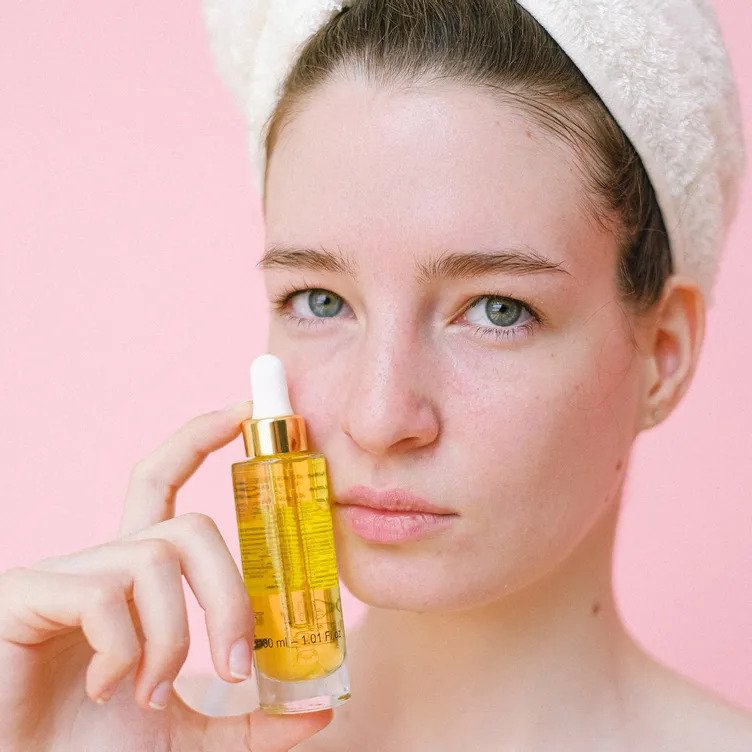
Retinol, a derivative of vitamin A, is hailed as a "holy grail" ingredient by dermatologists for its effectiveness in treating various skin conditions, including acne, fine lines, and wrinkles. It works by boosting skin cell turnover, which helps to bring fresh, healthy cells to the surface while slowing down the signs of aging.
What Does Retinol Purging Look Like?
The term "purging" refers to a cleansing process that occurs when you start using retinoids. As retinoids normalize skin turnover, they draw out impurities that may be clogging your pores. This can lead to temporary breakouts as everything surfaces at once.
Signs of retinol purging may include:
i. Redness and Irritation: New skin may appear red and irritated as it adjusts to the increased turnover.
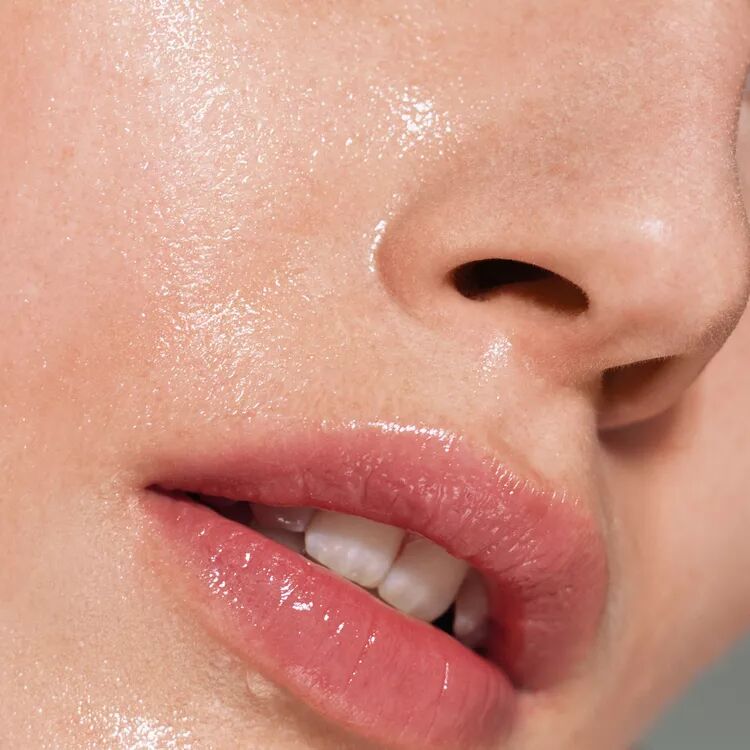
ii. Breakouts: You may notice whiteheads, blackheads, papules, and pustules forming, particularly around areas where the skin is thinner, such as the nose and mouth.
iii. Uneven Texture: The skin may feel rough and exhibit an uneven texture during this phase.
How Long Does It Last?
The duration of retinol purging typically lasts about four weeks, but flare-ups can persist for up to eight weeks, corresponding to two skin cell cycles. If you experience ongoing purging after three months, it may be time to consult a dermatologist, as there could be an underlying issue.
Distinguishing Between Purging and Acne Breakouts
While both retinol purging and acne breakouts can present similar symptoms, they are distinct processes:
- Retinol Purging: If you rarely experience breakouts but notice a sudden increase in smaller, superficial pimples after starting retinoids, this is likely a sign of purging. These breakouts should gradually diminish as your skin adapts.
- Acne Breakouts: These can be triggered by various factors such as stress, hormonal changes, or diet, and typically result in larger, deeper, and more inflamed lesions. Acne can appear anywhere on the body and is often more persistent than purging-related breakouts.
How to Deal with Retinol Purging
If you experience adverse reactions after starting retinol, your first instinct may be to stop using it. However, discontinuing use can halt your progress and force you to restart the retinization process. Here are some tips to manage retinol purging effectively:
i. Gradual Introduction: Start slowly to minimize redness and discomfort. Follow the 1-2-3 rule: apply retinol once a week for the first week, twice a week for the second week, and three times a week for the third week. If you experience side effects, reduce the frequency.
ii. Use the Right Amount: Many people mistakenly apply too much retinol, thinking more is better. Instead, use a small amount, especially when first introducing it to your routine.
iii. Sunscreen is Essential: Retinoids increase your skin's sensitivity to UV damage. Always apply a broad-spectrum sunscreen with an SPF of 30 or higher during the day, and remember to reapply every two hours.
iv. Moisturize: Keep your skin hydrated to help combat dryness and irritation that may occur during the purging phase.
v. Listen to Your Skin: If you experience significant discomfort, consider taking a break or consulting a dermatologist for personalized advice.
Retinol purging is a common and temporary phase that many experience when starting retinoids. By understanding what to expect and how to manage this process, you can navigate the initial challenges and ultimately enjoy the long-term benefits of healthier, more radiant skin. Remember to be patient, as the purging phase is often a sign that your skin is adjusting and preparing for the transformative effects of retinol.