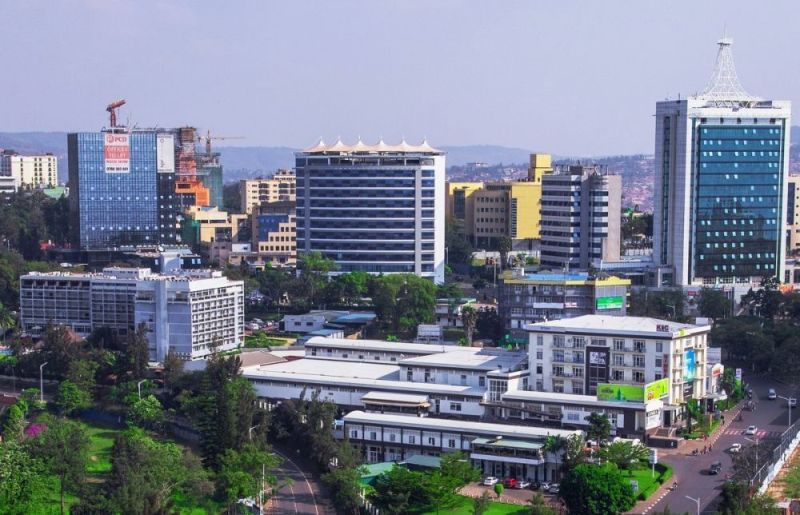
Invest Rwanda: From Hills to High Rises – Rwanda’s Booming Real Estate
-
 Loading...
 - Wangari Bahati
- 15 Nov 2024
- 192 Views
- 0 Like
- 0 Comment
Rwanda, often referred to as the "Land of a Thousand Hills," is experiencing a remarkable transformation in its real estate sector. The country’s strategic vision, coupled with a growing economy and increasing urbanization, has led to a booming real estate market that is attracting both local and international investors. This article explores the factors driving this growth, the current trends in the market, and the future potential of Rwanda’s real estate landscape.
Rwanda has made significant strides in economic development over the past two decades, with a focus on sustainable growth and infrastructure development. The government’s commitment to creating a conducive environment for business has resulted in a stable economy, with GDP growth rates averaging around 7% annually. This economic stability has fueled urbanization, with more people moving to cities in search of better opportunities, thereby increasing the demand for housing and commercial spaces.
The Rwandan government has implemented several initiatives to promote real estate development. The National Housing Policy aims to provide affordable housing solutions and improve living conditions for citizens. Additionally, the government has established special economic zones (SEZs) to attract foreign investment and stimulate the construction of commercial properties. These policies have created a favorable environment for real estate developers and investors.
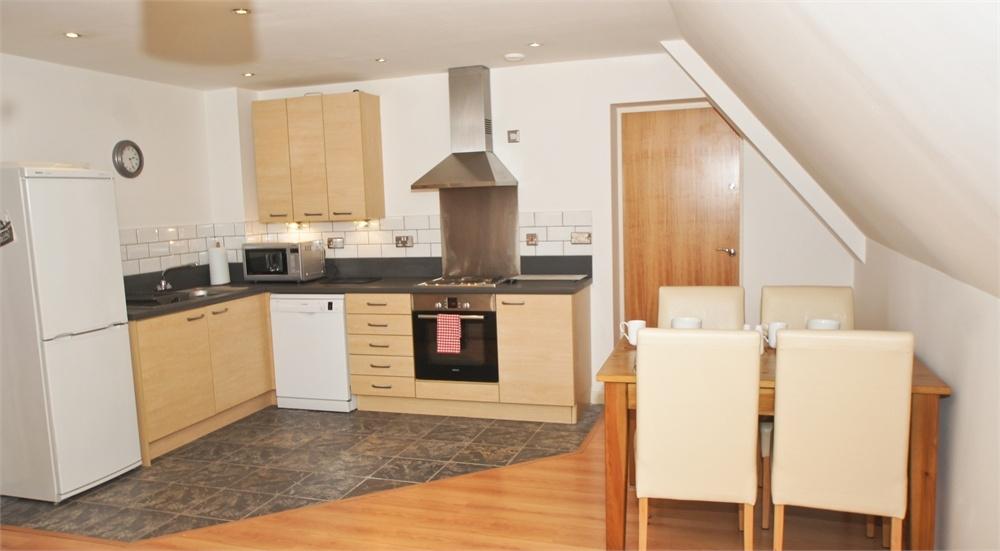
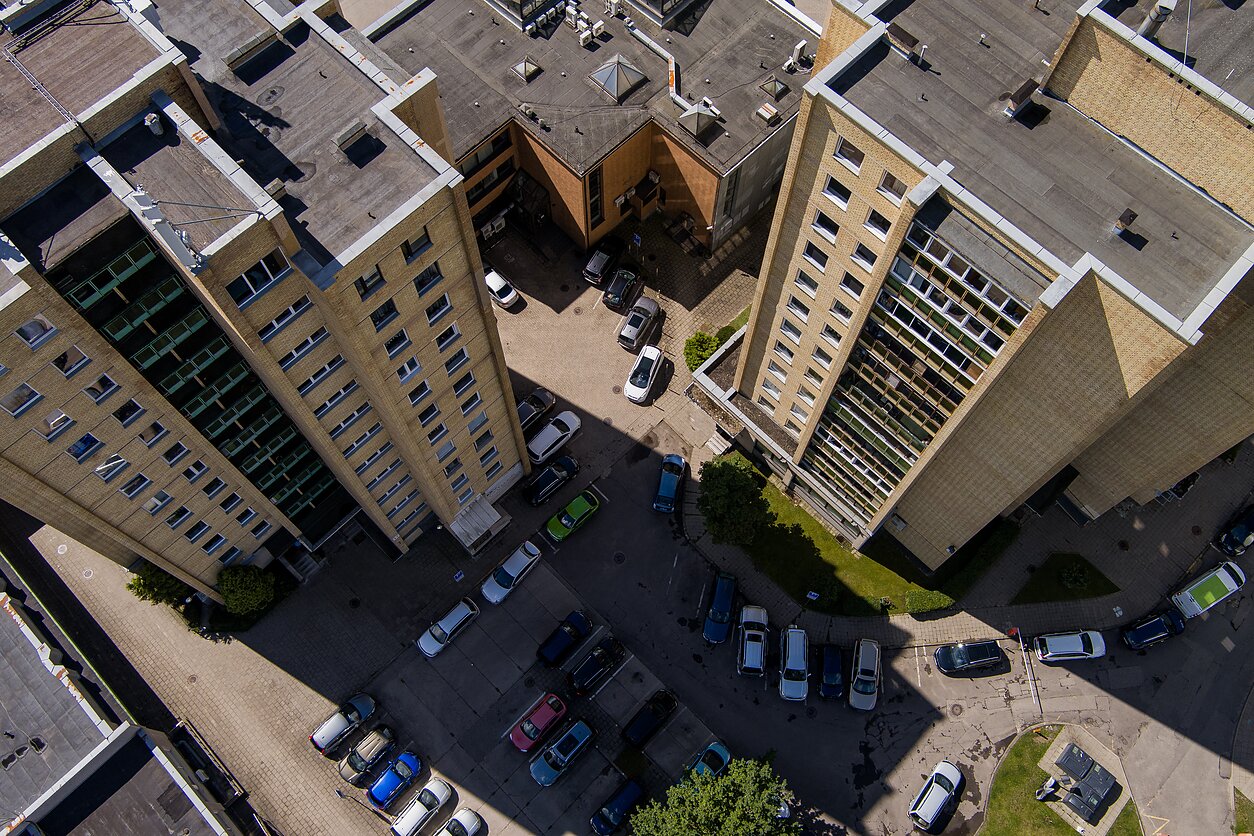
As urbanization continues, the demand for residential properties has surged. Kigali, the capital city, is witnessing a rapid increase in the construction of high-rise apartments and luxury condominiums to accommodate the growing population. The middle class is expanding, leading to a higher demand for quality housing options.
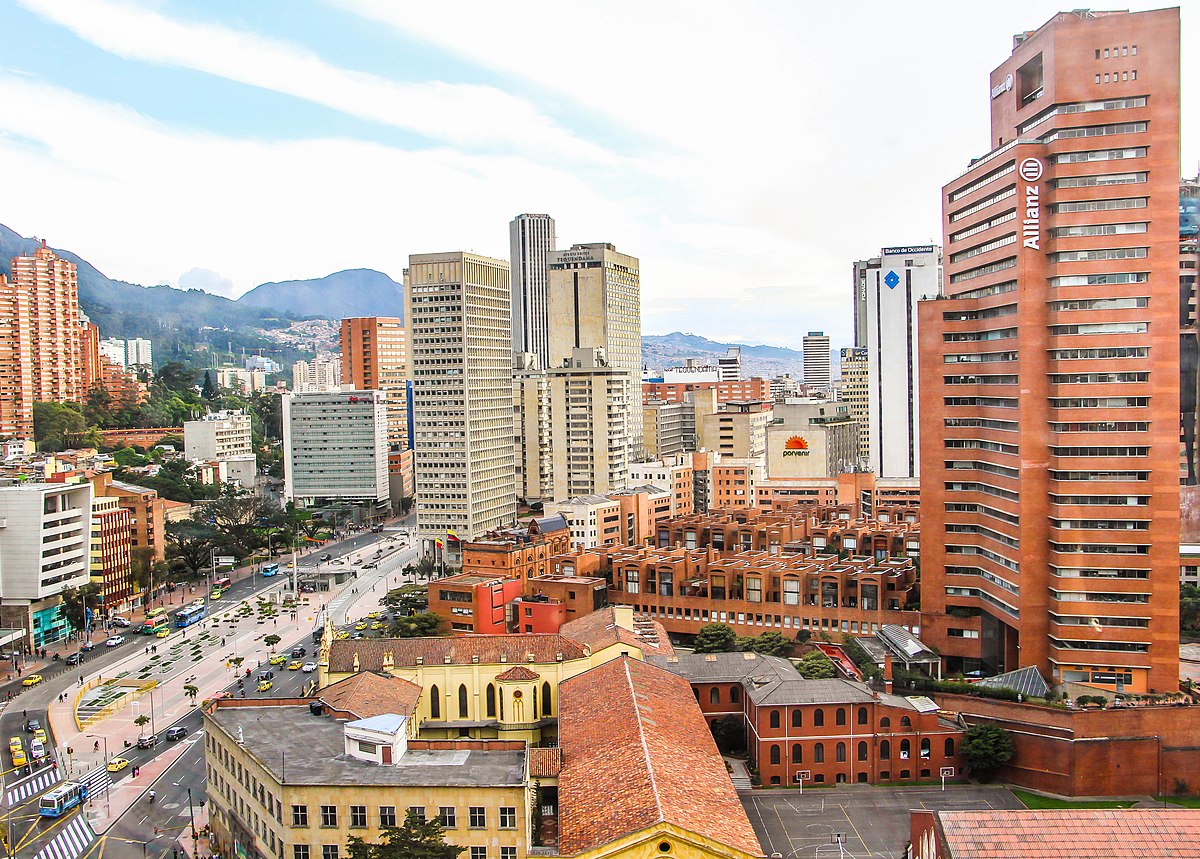
On the commercial side, the growth of businesses and the influx of multinational companies have driven the need for office spaces, retail centers, and mixed-use developments. The construction of modern shopping malls and business complexes is reshaping the urban landscape, providing residents with access to a variety of services and amenities.
Rwanda’s real estate market presents numerous investment opportunities. Local and international investors are increasingly looking to capitalize on the growing demand for housing and commercial properties. The government’s efforts to streamline the investment process, including simplifying land acquisition and providing incentives for developers, have further enhanced the attractiveness of the market.
Key areas of investment include:
- Residential Development: With a focus on affordable housing, there is a significant opportunity for developers to create residential projects that cater to various income levels.
- Commercial Real Estate: The demand for office spaces, retail outlets, and hospitality services is on the rise, making commercial real estate a lucrative investment avenue.
- Tourism and Hospitality: Rwanda’s growing tourism sector, driven by its natural beauty and wildlife, presents opportunities for the development of hotels, lodges, and other hospitality-related projects.
- Sustainable Development: There is a growing emphasis on sustainable and eco-friendly building practices, providing opportunities for developers to invest in green buildings and renewable energy solutions.
Despite the promising outlook, the real estate sector in Rwanda faces several challenges. These include regulatory hurdles, land tenure issues, and the need for improved infrastructure in some areas. Additionally, the market is still relatively young, and investors must conduct thorough due diligence to navigate potential risks.
The future of Rwanda’s real estate market looks bright, with continued economic growth, urbanization, and government support driving development. As the country positions itself as a regional hub for business and tourism, the demand for real estate is expected to rise further.
Investors who recognize the potential of Rwanda’s booming real estate sector can play a crucial role in shaping the country’s urban landscape. With a commitment to sustainable development and a focus on meeting the needs of its growing population, Rwanda is poised to transform from its picturesque hills to a vibrant skyline of high rises, making it an attractive destination for real estate investment.
In conclusion, Rwanda’s real estate boom is not just a reflection of its economic progress but also a testament to its vision for a modern, sustainable future. As the country continues to evolve, the opportunities within its real estate sector will undoubtedly expand, inviting investors to be part of this exciting journey.