Influencer Is a Real Job. It's Time to Act Like It
-
 Loading...
 - Grace Clark
- 01 Mar 2023
- 82 Views
- 0 Like
- 0 Comment
Policies that recognize the industry’s cultural and economic significance will protect both workers and consumers.
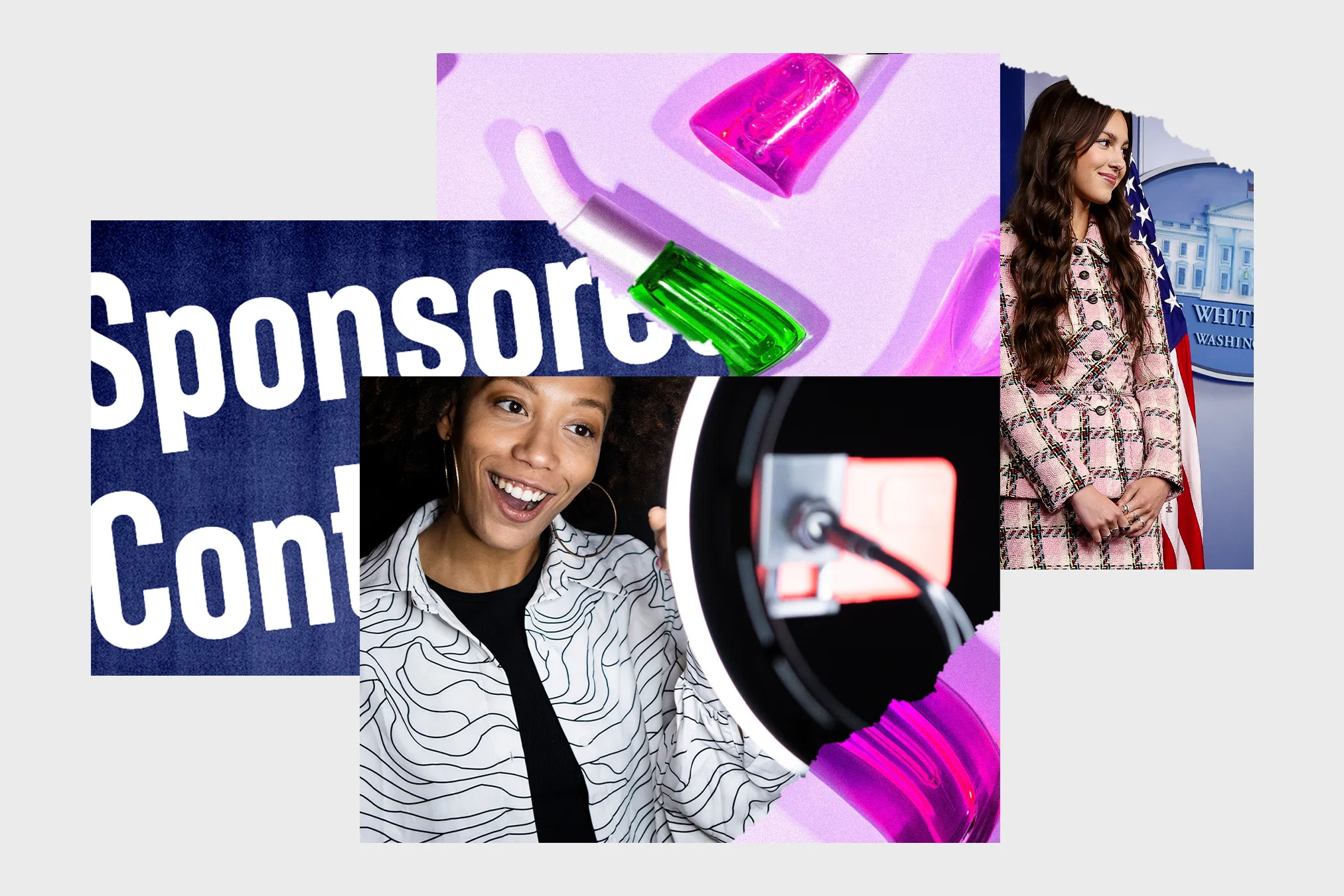
In July 2021, singer Olivia Rodrigo visited the White House as part of a campaign to encourage young people to get vaccinated. The visit consisted of a series of meticulously planned photo ops and social media-friendly content creation, including meeting with Vice President Kamala Harris while wearing coordinating light pink suits and posing with President Joe Biden in matching aviator sunglasses. Rodrigo and Dr. Anthony Fauci made a video of them reading positive tweets about vaccines, drawing on a popular late-night television trope in which celebrities read tweets about themselves.
The entire visit was meticulously planned and openly acknowledged as an attempt to leverage Rodrigo’s status as a “Gen Z influencer” to deliver a message to a targeted population. These sorts of public relations stunts—pseudo-events, as historian Daniel Boorstin called them—have happened for generations. The interesting thing about this one was who orchestrated it: not the usual squad of publicists and managers but a man named Landon Morgado, whom the White House had recently hired for the job of “directing creator partnerships.” That the White House created this role—and filled it with a person from Instagram’s fashion team—illustrates just how far the influencer industry has come in the past decade as a cultural centerpiece.
People and organizations at every corner of society have embraced the idea that anyone can cultivate an audience by providing consistent and relatable content on social media and then leverage that audience’s engagement as evidence of “influence” for social and economic rewards. The industry continues to grow at startling rates (it was recently valued at around $16.5 billion) and greatly affects the way information, goods, and services are conceived of, marketed, and sold. Influencers’ work has become critical to the commercial sphere and in shaping public discourse, but in its current form, the industry makes exploitation—both by and of influencers, brands, and social media companies—too easy.
Influencers’ Work Creates enormous value for brands and social media companies, but their growing cultural and economic importance has not necessarily changed their precarious positions as workers. The platforms and brands to whom influencers are beholden incentivize them to be always “on,” frequently pivoting their skills and continually sharing personal stories, but in a monetizable way—when the definition of what is “monetizable” frequently changes. Booking campaigns and getting paid for them often happens at the mercy of others, and pay discrepancies and discrimination are rife. Read More…