Humans need Earth-like ecosystem for deep-space living
-
 Loading...
 - Celia Stevens
- 12 May 2023
- 73 Views
- 0 Like
- 0 Comment
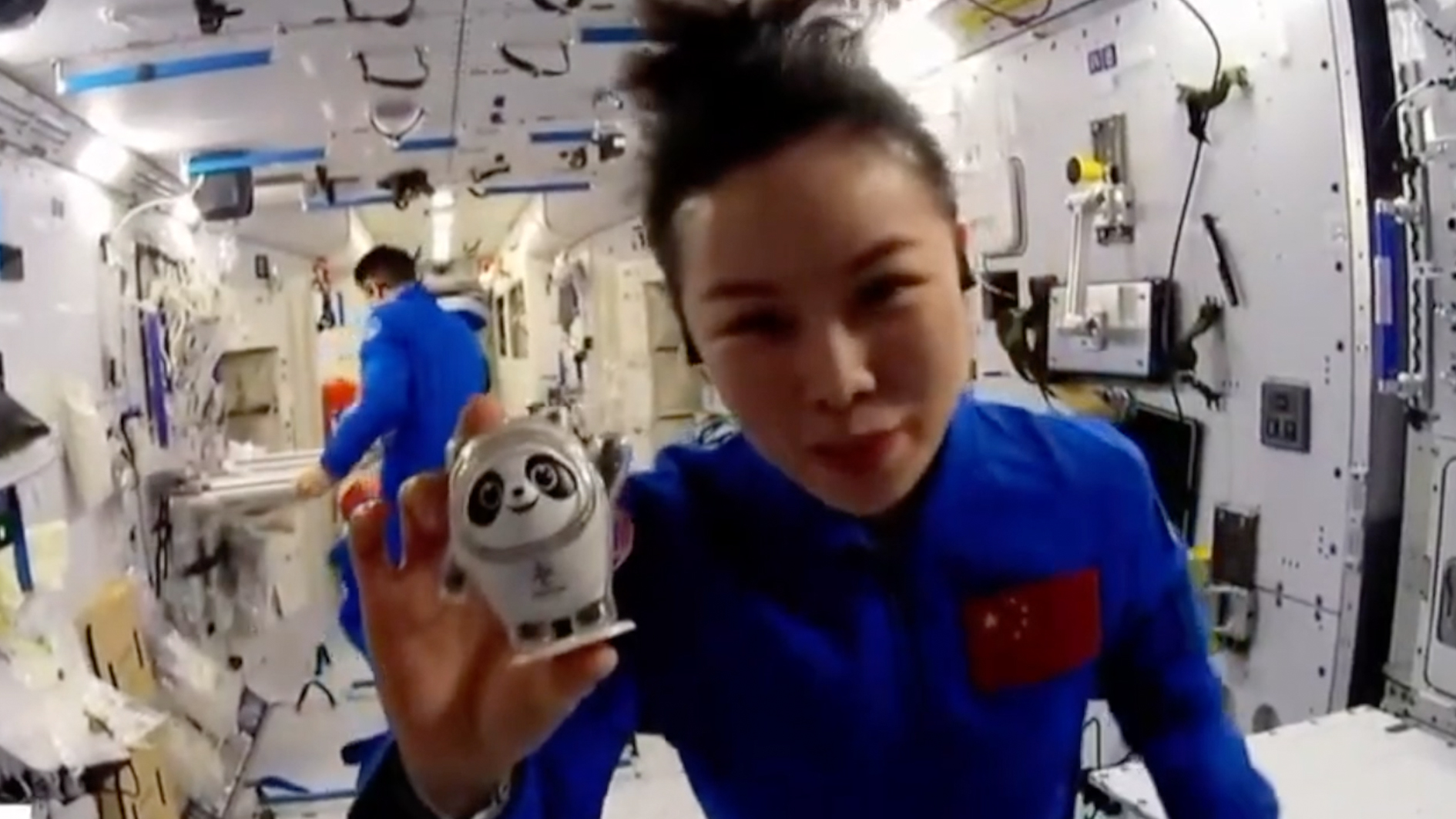
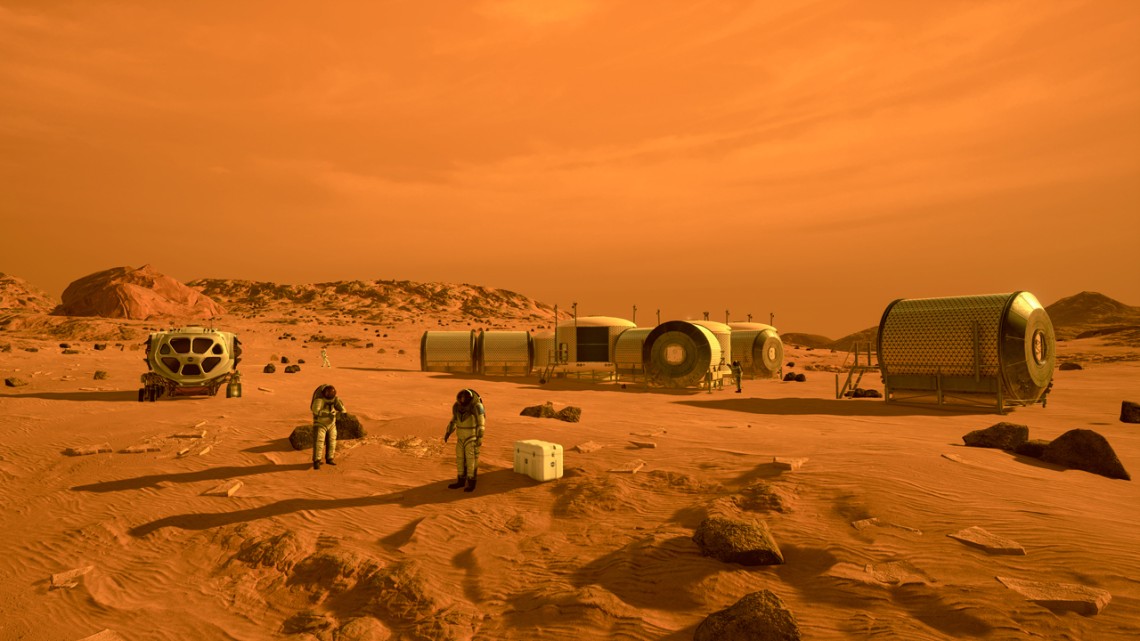
Can humans endure long-term living in deep space? The answer is a lukewarm maybe, according to a new theory describing the complexity of maintaining gravity and oxygen, obtaining water, developing agriculture and handling waste far from Earth.
Dubbed the Pancosmorio theory -- a word coined to mean "all world limit" -- it was described in a paper published in Frontiers in Astronomy and Space Sciences.
"For humans to sustain themselves and all of their technology, infrastructure and society in space, they require a self-renewing, Earth-like, natural ecosystem to back them up," conveyed co-author Morgan Irons, a scholar pursuing research with Johannes Lehmann, a professor in the School of Integrative Plant Science at Cornell University. Her research concentrates on the persistence of soil organic carbon under Earth's gravity and various gravity conditions. "The mission fails without these types of systems."
The first critical factor is gravity, which Earth life requires to operate effectively, according to co-author Lee Irons, Morgan Irons' father, and executive director of the Norfolk Institute, an organization that seeks to address human resilience issues on Earth and in space.
"Gravity induces a gradient in the fluid pressure within the body of the living thing to which the autonomic functions of the life form are attuned," he expressed. "An example of gravity imbalance would be the negative affect on the eyesight of humans in Earth orbit, where they don't experience the weight necessary to induce the pressure gradient."
Morgan Irons stated that it would be imprudent to expend billions of dollars to establish a space settlement only to see it falter because, even with all other systems in place, gravity is still essential.
Humans and all Earth life forms have evolved within the confines of 1G of gravity. "Our bodies, our natural ecosystems, all the energy movement and the way we utilize energy are fundamentally based on the presence of 1G of gravity," she explained. "There is simply no other place in space where there is 1G of gravity; that just doesn't exist anywhere else in our solar system. That's one of the first issues we need to solve."
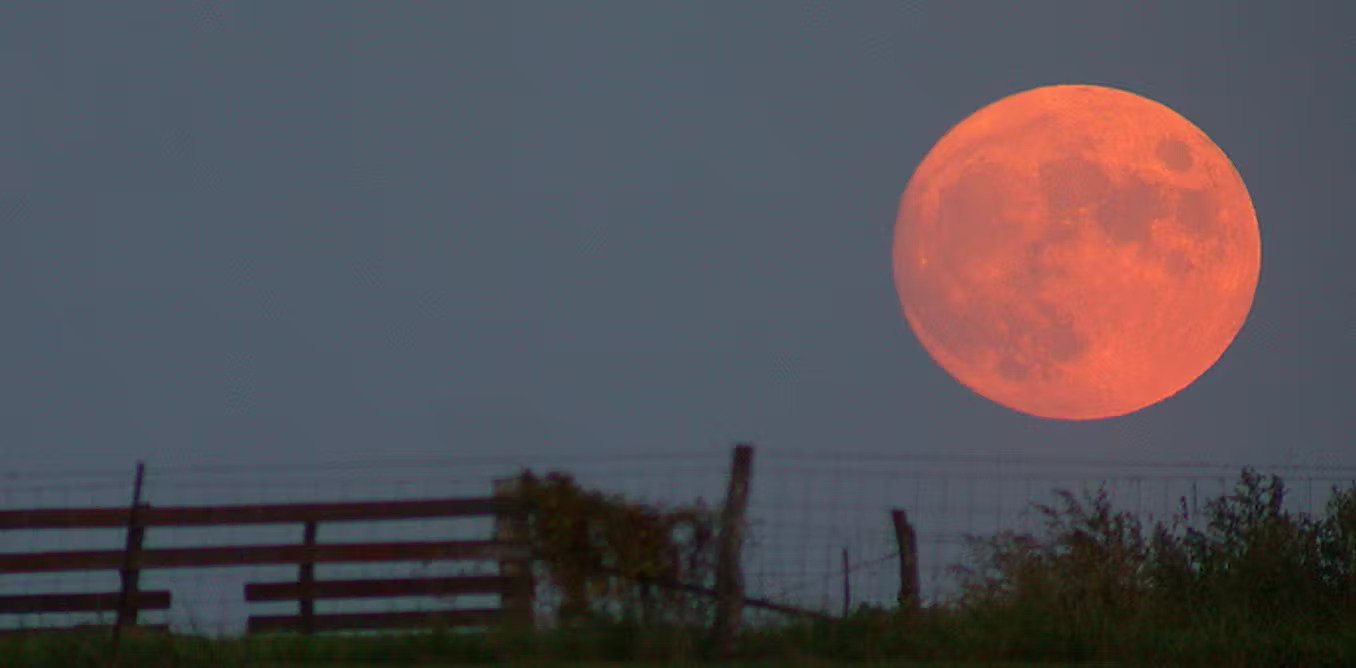
Oxygen is another crucial factor. Earth's ecosystem produces oxygen for humans and other life forms. If a technologically advanced primary and backup system failed to provide oxygen for the moon base, for example, it would spell immediate disaster for the astronauts. "A reserve exists everywhere in Earth's nature," Lee Irons said. "Think of the hundreds of thousands of species of plants that generate oxygen. That's the kind of system reserve we need to replicate to be truly sustainable."
An ecological system like an outpost would need a tremendous amount of energy from the sun. The more distant planets and moons from the sun in our own solar system receive lesser amounts of energy.