Home Upload Photo Upload Videos Write a Blog Analytics Messaging Streaming Create Adverts Creators Program
Bebuzee Afghanistan Bebuzee Albania Bebuzee Algeria Bebuzee Andorra Bebuzee Angola Bebuzee Antigua and Barbuda Bebuzee Argentina Bebuzee Armenia Bebuzee Australia Bebuzee Austria Bebuzee Azerbaijan Bebuzee Bahamas Bebuzee Bahrain Bebuzee Bangladesh Bebuzee Barbados Bebuzee Belarus Bebuzee Belgium Bebuzee Belize Bebuzee Benin Bebuzee Bhutan Bebuzee Bolivia Bebuzee Bosnia and Herzegovina Bebuzee Botswana Bebuzee Brazil Bebuzee Brunei Bebuzee Bulgaria Bebuzee Burkina Faso Bebuzee Burundi Bebuzee Cabo Verde Bebuzee Cambodia Bebuzee Cameroon Bebuzee Canada Bebuzee Central African Republic Bebuzee Chad Bebuzee Chile Bebuzee China Bebuzee Colombia Bebuzee Comoros Bebuzee Costa Rica Bebuzee Côte d'Ivoire Bebuzee Croatia Bebuzee Cuba Bebuzee Cyprus Bebuzee Czech Republic Bebuzee Democratic Republic of the Congo Bebuzee Denmark Bebuzee Djibouti Bebuzee Dominica Bebuzee Dominican Republic Bebuzee Ecuador Bebuzee Egypt Bebuzee El Salvador Bebuzee Equatorial Guinea Bebuzee Eritrea Bebuzee Estonia Bebuzee Eswatini Bebuzee Ethiopia Bebuzee Fiji Bebuzee Finland Bebuzee France Bebuzee Gabon Bebuzee Gambia Bebuzee Georgia Bebuzee Germany Bebuzee Ghana Bebuzee Greece Bebuzee Grenada Bebuzee Guatemala Bebuzee Guinea Bebuzee Guinea-Bissau Bebuzee Guyana Bebuzee Haiti Bebuzee Honduras Bebuzee Hong Kong Bebuzee Hungary Bebuzee Iceland Bebuzee India Bebuzee Indonesia Bebuzee Iran Bebuzee Iraq Bebuzee Ireland Bebuzee Israel Bebuzee Italy Bebuzee Jamaica Bebuzee Japan Bebuzee Jordan Bebuzee Kazakhstan Bebuzee Kenya Bebuzee Kiribati Bebuzee Kuwait Bebuzee Kyrgyzstan Bebuzee Laos Bebuzee Latvia Bebuzee Lebanon Bebuzee Lesotho Bebuzee Liberia Bebuzee Libya Bebuzee Liechtenstein Bebuzee Lithuania Bebuzee Luxembourg Bebuzee Madagascar Bebuzee Malawi Bebuzee Malaysia Bebuzee Maldives Bebuzee Mali Bebuzee Malta Bebuzee Marshall Islands Bebuzee Mauritania Bebuzee Mauritius Bebuzee Mexico Bebuzee Micronesia Bebuzee Moldova Bebuzee Monaco Bebuzee Mongolia Bebuzee Montenegro Bebuzee Morocco Bebuzee Mozambique Bebuzee Myanmar Bebuzee Namibia Bebuzee Nauru Bebuzee Nepal Bebuzee Netherlands Bebuzee New Zealand Bebuzee Nicaragua Bebuzee Niger Bebuzee Nigeria Bebuzee North Korea Bebuzee North Macedonia Bebuzee Norway Bebuzee Oman Bebuzee Pakistan Bebuzee Palau Bebuzee Panama Bebuzee Papua New Guinea Bebuzee Paraguay Bebuzee Peru Bebuzee Philippines Bebuzee Poland Bebuzee Portugal Bebuzee Qatar Bebuzee Republic of the Congo Bebuzee Romania Bebuzee Russia Bebuzee Rwanda Bebuzee Saint Kitts and Nevis Bebuzee Saint Lucia Bebuzee Saint Vincent and the Grenadines Bebuzee Samoa Bebuzee San Marino Bebuzee São Tomé and Príncipe Bebuzee Saudi Arabia Bebuzee Senegal Bebuzee Serbia Bebuzee Seychelles Bebuzee Sierra Leone Bebuzee Singapore Bebuzee Slovakia Bebuzee Slovenia Bebuzee Solomon Islands Bebuzee Somalia Bebuzee South Africa Bebuzee South Korea Bebuzee South Sudan Bebuzee Spain Bebuzee Sri Lanka Bebuzee Sudan Bebuzee Suriname Bebuzee Sweden Bebuzee Switzerland Bebuzee Syria Bebuzee Taiwan Bebuzee Tajikistan Bebuzee Tanzania Bebuzee Thailand Bebuzee Timor-Leste Bebuzee Togo Bebuzee Tonga Bebuzee Trinidad and Tobago Bebuzee Tunisia Bebuzee Turkey Bebuzee Turkmenistan Bebuzee Tuvalu Bebuzee Uganda Bebuzee Ukraine Bebuzee United Arab Emirates Bebuzee United Kingdom Bebuzee Uruguay Bebuzee Uzbekistan Bebuzee Vanuatu Bebuzee Venezuela Bebuzee Vietnam Bebuzee World Wide Bebuzee Yemen Bebuzee Zambia Bebuzee Zimbabwe
Blog Image

How wildlife is flourishing again in Akagera – Africa's largest protected wetland and Rwanda's only ‘big five'

‘It hasn’t always been this way. Just over a decade ago, many of the animals that lived in Akagera, in eastern Rwanda, had disappeared’

There is movement among the trees. A family of elephants, from giants to tumbling babies, is moving through the forest towards a watering hole on the plain. One by one, they wade in, wallowing in the cool mud.

“Each adult elephant needs to drink 200 litres of water a day,” my guide Justus Itangishatse tells me. “They also use the mud to protect themselves from tsetse flies.”

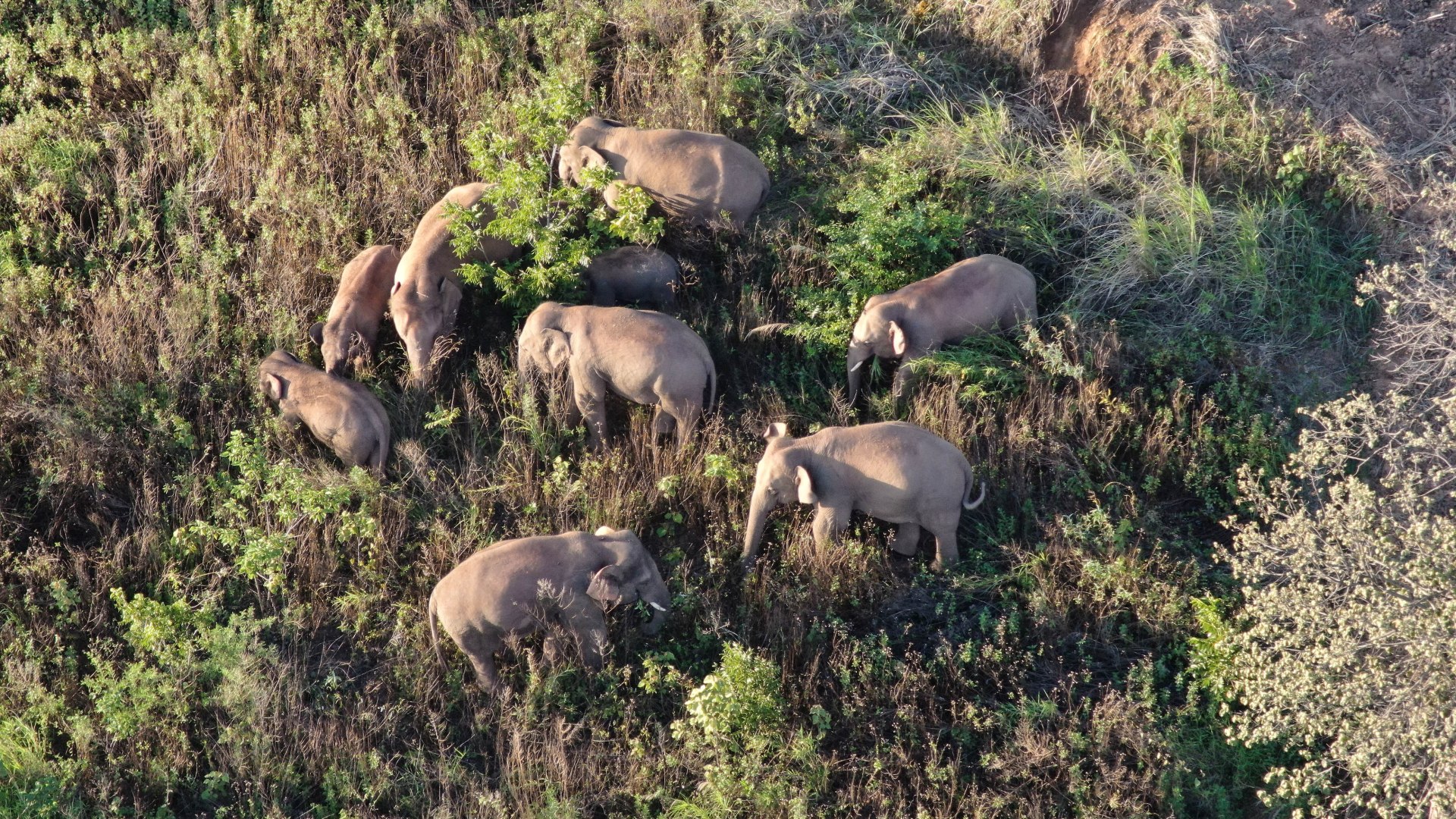
From the trees behind our vehicle, a long procession of elephants appears. What started as a low-key bath-time has become a mass gathering. There is loud trumpeting and snorting, and trunks are wrapped around each other in affectionate greetings. Babies coat themselves in thick grey sludge and slide about, clambering on siblings’ backs. It is a joyful scene: 70 elephants living it up on a hot afternoon – a sign that all is well in Akagera National Park.

It hasn’t always been this way. Just over a decade ago, many of the animals that lived in Akagera, in eastern Rwanda, had disappeared. After the 1994 genocide ended, many refugees returned from neighbouring Tanzania. The Rwandan government gave away more than half the national park so people could raise their livestock.

Human-wildlife conflict increased; predator attacks on cattle were met with retaliatory poisonings. By 2001, all of Akagera’s lions and many other animals in the reduced, 1,122 sq km park had been killed.

But Akagera was given a reprieve in 2010, when the Rwanda Development Board partnered with conservation NGO African Parks. An electric fence was built to protect the park and an effective law enforcement system introduced, alongside community engagement projects.

Since then, lions and 18 critically endangered black rhinos have been reintroduced from South Africa, with five rhinos from European zoos. Last year, African Parks completed the largest ever single translocation of white rhinos, flying 30 from South Africa to Rwanda.

Once I arrive, I spend time around vast Lake Ihema and the thickly forested hills in the south. Wildlife-spotting is a little tough-going, as my trip coincides with the premature arrival of the wet season, long grass and thick vegetation keeping many animals out of sight. I see no lions and catch only a glimpse of a leopard, its silhouette disappearing through tall grass.

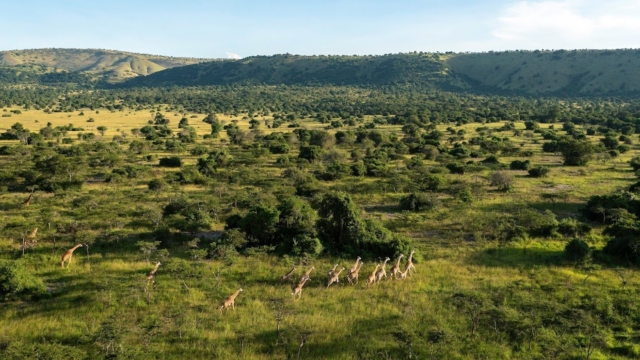
But there is plenty that is visible, especially around the north’s open plains: giraffes, zebras, topis, impalas, warthogs… “The grazers want to be out in the open, so they can see where predators are coming from,” Justus tells me, as the animals relax on Kilala Plain, one of the park’s largest grasslands.

Across the plain, I see a group of white rhino ambling among buffaloes and white egrets. Currently, these new arrivals share the park with 29 black rhinos, around 40 lions, up to 100 leopards, 85 Maasai giraffe and 133 elephants.

I stay at Migashi, a luxury camp set on the secluded shores of Lake Rwanyakizinga. “We’re very open, so we do get ‘visitors’,” manager Eric Dushime says.

“Leopards, hippos and buffaloes come through the grounds. And if you think about swimming, remember: the lake has 700 hippos and 500 crocodiles.” Read More…

Previous Post

China-Pacific Island countries climate change center launched

Next Post

Corfu's Canal d'Amour, The Greek Channel of Love

Comments