How to Resolve Duplicate Content Issues With Webmaster Tools

One of the main obstacles to SEO success is duplicate content, both internally (within your site) and externally (on other sites). Duplicate content poses many potential issues to search engines such as sending conflicting signals that may result in penalties if left unaddressed.
Duplicate content can often be seen as an SEO liability; however, duplicates need not always be seen as bad and could even prove helpful in certain instances.
Duplicates of content are usually easy to spot on e-commerce sites, while printer friendly pages and URL parameters (including session IDs ) may also cause duplicates. Unfortunately, fixing these problems is usually straightforward.
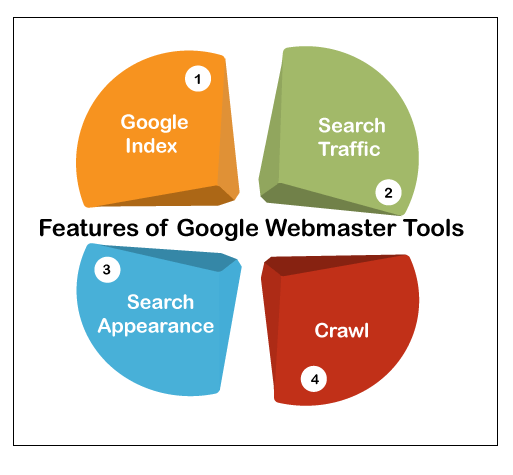
Sitemaps
Duplicate content on your site can create significant problems at multiple points in the customer journey, from decreasing search engine visibility and SEO competition, leading to fractured user experiences (potentially leading to conversion drop off), and sending conflicting signals about authority between pages.
Google generally doesn't penalize for duplicate content unless it is deceptive or intentional, yet addressing duplicate issues is essential to improving SEO performance and user experience. Solutions vary depending on their source; for instance if duplicate URLs arise due to CMS configuration or inconsistencies in URL capitalization simply changing all lowercase letters on your site can solve them while other solutions include using canonical URLs and redirects for consolidating authority signals. Click here https://frtuy.com/ or visit our official website to learn more about Webmaster Tools.
Crawl errors
Duplicate content can be a serious threat to search engine visibility and user experience, leading to reduced SEO performance and an inferior user experience. Fixing duplicates typically requires only a quick audit and technical optimization project for best results.
Duplication can result from many sources, such as URL variations, CMS configurations, content syndication/scraping services, localized web page versions and meta robots tags (noindex). Not all instances of duplicate content are bad; indeed some can even prove beneficial, like news syndication and creating distinct material tailored for specific audiences.
Category and tag pages often present the greatest potential for duplicate content issues, and to address them use canonical tags or meta robots noindex directives to inform Google which version to index. An alternative solution could be consolidating duplicates through creating a clear taxonomy and linking structure that brings all versions together under one umbrella.
Sitelinks
Duplicate content poses the biggest threat to search engines because it forces them to devote resources and time to low-value pages instead of prioritizing truly unique information. This dilutes positive signals received by each URL and could even result in penalties from search engines.
Applying 301 redirects and rel="canonical" tags can help reduce duplicate content issues; however, there are additional measures you should take. These include properly configuring your CMS system, developing content syndication strategies that match user intent, and strengthening internal linking structures.
Duplicated content can also arise from redundant categories and tags on your site. Bloggers frequently employ them to facilitate content discovery and enhance user experience, but if their similarities result in duplicate pages. To prevent this issue from occurring again, consider noindexing pages that don't contain much unique material as this will allow your important pieces of unique content to rank higher in Google Search results.
HTML Improvements
One of the main obstacles to SEO success is duplicate content, both internally (within your site) and externally (on other sites). Duplicate content poses many potential issues to search engines such as sending conflicting signals that may result in penalties if left unaddressed.
Technical errors often cause duplicate content on websites, so most issues are easy to address and solve quickly. Canonical tags and redirects should help address clones while the hreflang tag addresses localization and printable versions of pages.
Webmaster Tools can also be used to identify issues such as inconsistent URL capitalization, which Google considers duplicate content (since each version of your page counts as separate). To prevent Google from counting pages as duplicate content, it's wise to choose one letter case and stick with it throughout your website; setting 301 redirects would ensure all pages use this version of their URLs.