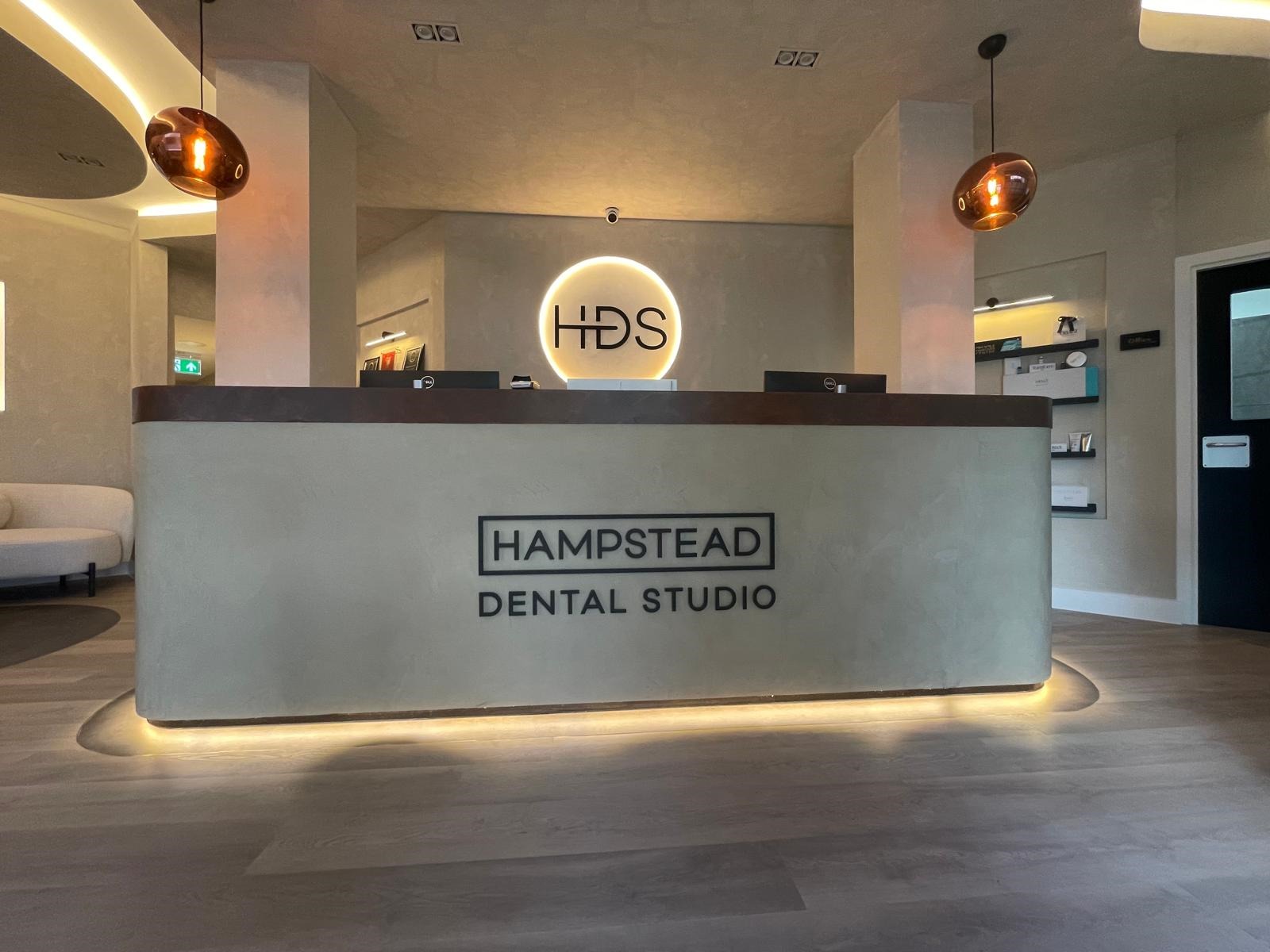
How to Harmonise Functionality and Design in Your Dental Office
-
 Loading...
 - Divointeriors
- 24 Apr 2025
- 97 Views
- 0 Like
- 0 Comment
Create a dental office that blends aesthetics with efficiency, boosting workflow and patient comfort while maintaining high hygiene standards.
In today’s competitive dental landscape, success relies on more than just clinical skills, it’s also about the environment you create. A thoughtfully designed dental office that blends aesthetics with functionality improves staff efficiency and creates a better experience for patients. Thoughtful layouts, calming colours, and smart use of space can reduce anxiety, improve efficiency, and leave a lasting impression. Functional areas like treatment zones and waiting rooms should seamlessly integrate with design elements that reflect professionalism and care. Ultimately, harmonising design and function not only elevates your brand but also fosters a welcoming and productive atmosphere for all who enter.
The Role of Functionality in a Dental Practice
Functionality forms the backbone of any successful dental clinic. An organised layout that facilitates your team's daily tasks boosts productivity, minimises stress, and ensures a seamless flow of patients. When designing a functional space, one must consider clinical zoning, accessibility, and workflow optimisation.
Key functional considerations include:
- Defined zones: Segregate reception, clinical treatment, sterilisation, and staff areas for operational clarity.
- Ergonomic layouts: Ensure treatment rooms are arranged for optimal movement and equipment access.
- Logical circulation paths: Both patients and staff should move through the space without confusion or cross-contamination risks.
Efficient planning, particularly around the layout of the decontamination room design also supports regulatory compliance.. A well-structured decontamination space with distinct dirty-to-clean workflows safeguards hygiene and simplifies inspections.
The Power of Thoughtful Interior Design
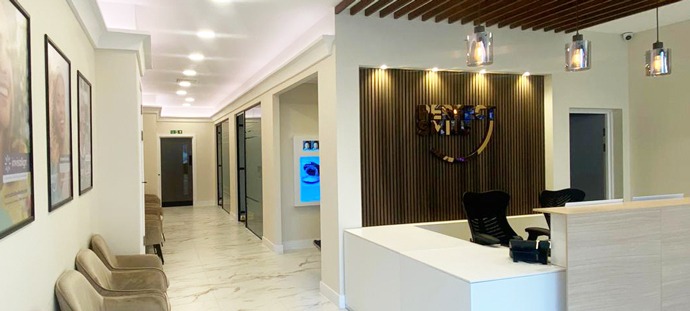
Interior design goes beyond aesthetics. A well-designed space reduces anxiety, builds trust, and promotes comfort. Colour schemes, lighting, materials, and furnishings can make a significant impact on patient perceptions.
Visual Impact of Design Choices
| Design Element | Functional Benefit | Aesthetic Appeal |
| Ambient lighting | Reduces eye strain, soothes patients | Creates a relaxing atmosphere |
| Natural materials | Durable, easy to clean | Adds warmth and texture |
| Minimalist layout | Reduces clutter | Enhances modern appeal |
By selecting finishes that are both durable and inviting, you not only maintain clinical standards but also elevate the patient journey. Integrating modern dental office design principles ensures a space that is as welcoming as it is practical.
Integrating Design with Daily Operations
The best dental clinics are designed with operational efficiency in mind. Smart layouts enable your team to work swiftly while maintaining a clean and professional environment.
Ways to Merge Function and Style:
- Custom cabinetry: Provides hidden storage while maintaining a clean look.
- Durable surfaces: Materials like Corian or quartz offer resilience and refined style.
- Technology integration: Built-in screens and concealed cabling reduce visual clutter.
- Zoned lighting: Customisable lighting improves task efficiency and creates the right atmosphere.
Incorporating an effective decontamination room design is vital in this integration. Ensure the room is near treatment areas but visually concealed. Consider sensor-operated doors, non-porous counters, and clear demarcation of clean and dirty zones to streamline the sterilisation process.
Designing for Patient Comfort and Flow
A soothing environment promotes repeat visits and fosters positive recommendations. Key elements that support this include acoustics, furniture, and intuitive wayfinding.
Comfort-Enhancing Design Tips:
- Scent diffusers: Subtle, pleasant scents help mask clinical smells.
- Clear signage: Guides patients with ease, reducing anxiety.
Seating is also critical. Provide a variety of options sofas, armless chairs, and high-back chairs to accommodate all needs. Select relaxing shades and design elements in line with your brand style.Select relaxing shades and design elements in line with your brand style.
Balancing Noise Control with a Welcoming Atmosphere
Dental office layouts should prioritise acoustic management. A noisy environment can cause discomfort and anxiety for patients, especially those who are already nervous about their dental appointments. Creating a tranquil atmosphere will put patients at ease, improve communication, and create a more comfortable environment overall.
Tips for Managing Noise:
- Soundproofing: Consider adding acoustic panels or installing carpets in areas that tend to carry sound, such as hallways or waiting rooms.
- Comfortable Seating and Soft Materials: Upholstered furniture and curtains help absorb sound and create a more serene environment.
- Background Music: Gentle, calming music can help mask any clinical noises while improving the overall ambiance.
By reducing noise and focusing on creating a peaceful environment, you enhance the experience for your patients, creating a space where they feel calm and at ease.
Future-Proofing Through Flexible Design
Planning for the future helps save both time and money. As technology evolves and patient expectations grow, your space must adapt.
Future-Proofing Strategies:
- Modular furniture: Easily reconfigured to suit changing needs.
- Multi-use rooms: Spaces that function as consultation rooms, admin zones, or overflow areas.
- Tech infrastructure: Include wiring and ports for future upgrades.
Future-proofing also means creating adaptable zones that can accommodate new equipment without extensive renovation. When planning your dental office design consider ceiling-mounted systems and movable cabinetry that adjust with your needs.
Hygiene and Decontamination Room Design
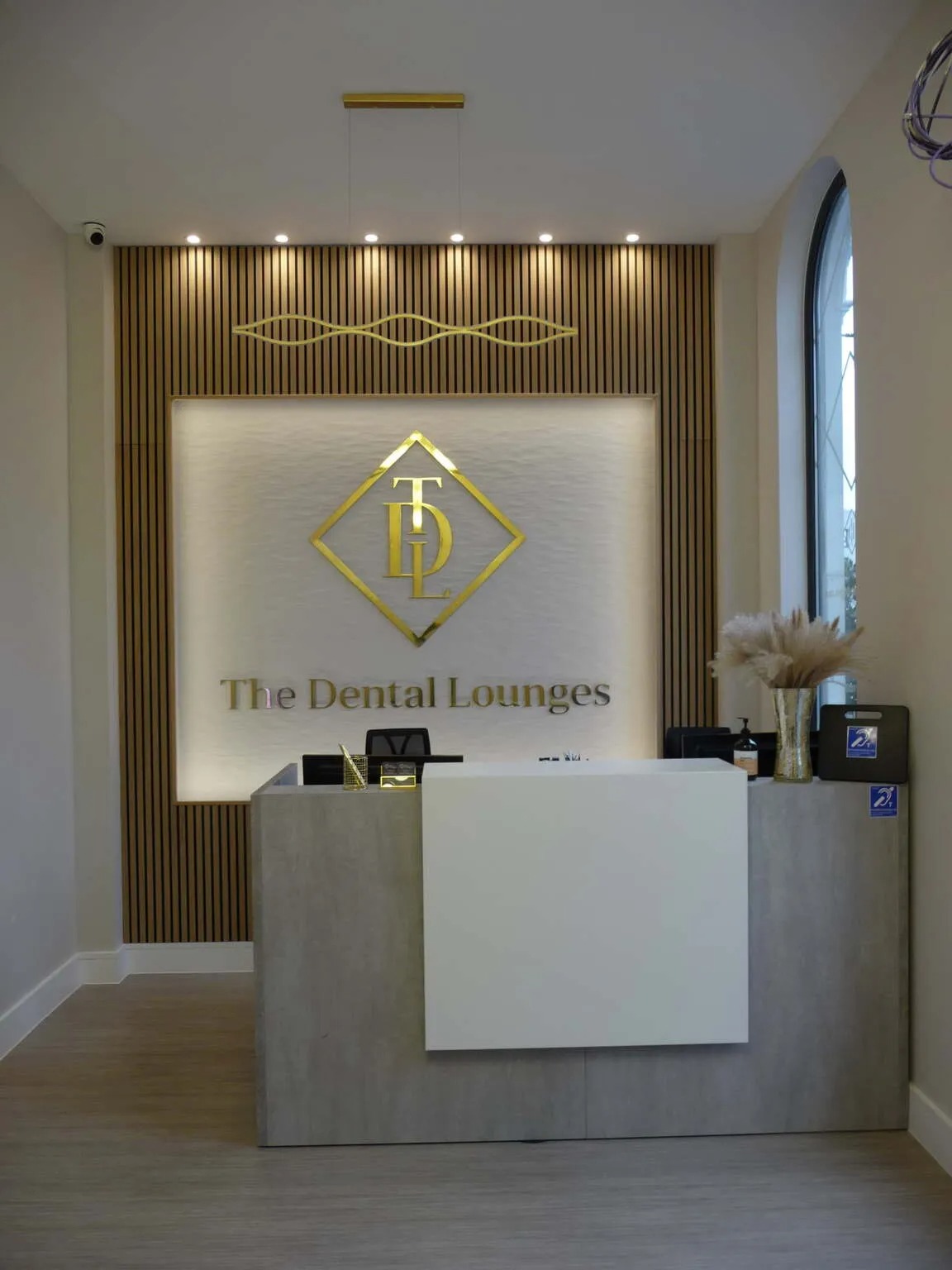
Maintaining hygiene is crucial in dental practices, and the decontamination room plays a key role in ensuring cleanliness and safety. Though hidden from patients, its design is crucial for efficient instrument cleaning and sterilisation. A well-organised decontamination room reduces turnaround times, improves workflow, and ensures easy access to equipment while maintaining top hygiene standards.
Key Features of a Decontamination Room Design:
- Separate Zones: Ensure clear separation between dirty and clean areas to avoid cross-contamination.
- Easy to Clean Surfaces: Use durable and easy-to-clean surfaces like stainless steel or Corian for countertops and equipment.
- Storage Solutions: Provide ample storage for instruments, sterilisation equipment, and cleaning supplies. These should be well-organised and easy to access.
The layout of the decontamination room should facilitate quick instrument processing and ensure a safe, efficient working environment for staff.
Conclusion
In the constantly changing dental field, combining visual appeal with functional effectiveness is crucial. A well-designed dental office not only enhances workflow but also fosters trust and comfort in patients from the outset. Every detail, from layout to material choices, should serve both practical needs and visual harmony. Striking this balance ensures your space works as hard as your team does. For practices ready to elevate their environment, professional expertise can make all the difference.
Divo Interiors LTD provides customised solutions that blend clinical accuracy with elegant design, enabling dental practices to thrive in both style and functionality.


