How to Create a Workout Plan That Works for You
-
 Loading...
 - Levi Wilson
- 11 Apr 2022
- 330 Views
- 0 Like
- 0 Comment
There are countless forms of exercise, from walking at a steady pace to high-intensity interval training for cardiorespiratory fitness, and from full-body circuit training to split routines that have you focus on specific muscle groups during each strength-training workout. Plus there are workouts to enhance balance, coordination, agility, speed and a long list of other fitness skills.
So, how can you create a workout plan tailored to you that’s also well-rounded and helps you achieve your health and wellness goals?
Steps to Tailor a Workout for You
1. Figure out what you enjoy
No amount of research into the effectiveness of a particular type of exercise matters if you don’t enjoy the workouts, as that is a key factor in determining exercise adherence over the long haul.
As the saying goes, the best workout for you is the one you’ll do on a regular basis. Also, try to get out of the mindset that a workout must take place at the gym to “count.” After all, 300 calories burned on the dancefloor, in the garden or on a hiking trail count just as much as 300 calories burned in a group fitness class.
2. Establish goals
Knowing why you want to exercise can inform the types of workouts you will perform. And, make your goals SMART: That is, specific, measurable, attainable, relevant and time-bound.
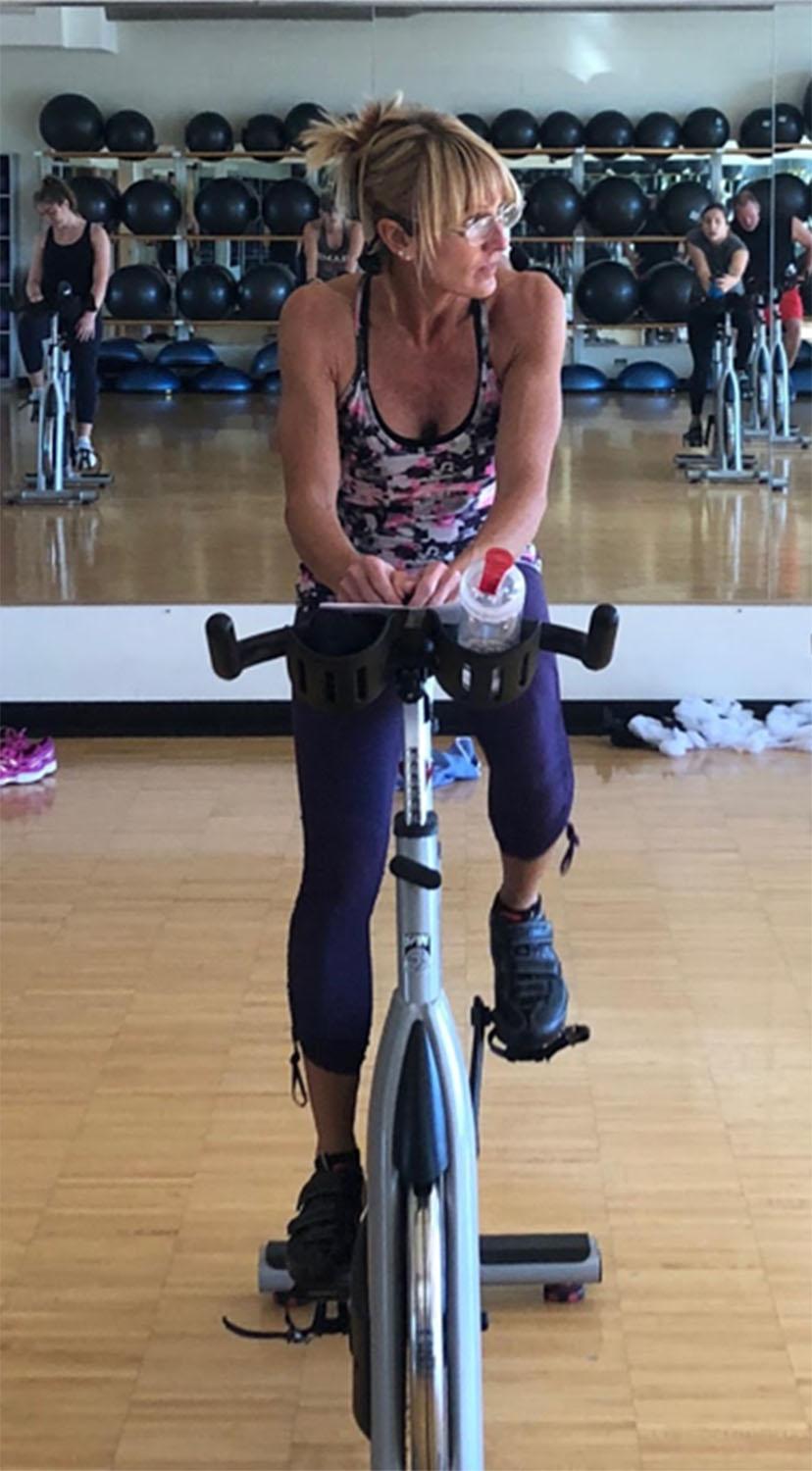
For example, saying “I want to lose weight” isn’t nearly as helpful as “I will attend a cycling class two days a week, lift weights two days a week and hike once each weekend in an effort to lose 20 pounds before my vacation six months from now.” This type of goal setting focuses on the process as much as the outcomes you’re pursuing.
3. Think about all elements of fitness
Make sure you create a well-rounded routine that addresses all elements of fitness: cardio, muscular strength and endurance, flexibility and mobility. You may love lifting weights, but if that’s all you do, you’ll be neglecting key aspects of your health and fitness.
Also, be sure to build in some recovery time. The body needs rest, so be strategic when scheduling your workouts to ensure you have time to recover between the same types of workouts.
4. Take an honest look at your daily and weekly schedules
It can be very easy to be overly optimistic when you’re excited to get started with a new workout plan. “I’ll go to the gym every day after work!” is a lot easier said than done. Figure out where exercise can be integrated into your current routines. For example, a 30-minute walk on your lunch break is a great way to exercise without having to significantly disrupt your schedule or set aside time to exercise during your before- or after-work hours.
Also, think about when you like exercising and what makes sense for your daily schedule. Then add your workouts to your schedule as you would any other important appointment. You’ll sometimes have to modify your schedule to accommodate a workout (e.g., a class at the gym), but the more frequently you can fit workouts within your existing schedule, the easier it will be to complete those periods of exercise.
It’s important to also note that exercise doesn’t have to last a certain amount of time to yield benefits. Three 10-minute walks during your workday are just as effective as one 30-minute walk.
5. Set yourself up for success
Consider the following tips to optimize your chances of success:
Start slowly and progress as appropriate. You may think you need to “flip a switch” and do everything correctly from day one, but a slow and steady approach that allows room to learn and adapt your program is much more likely to lead to sustained success. Also, starting too quickly can lead to injury.
Be kind to yourself. Everyone misses workouts and eats unhealthy food on occasion. Expecting perfection will only set you up for failure. Focus on steady progress not perfection.
Mix it up. Variety prevents boredom. Also, trying new forms of physical activity, both inside and outside the gym, is a great way to discover things you enjoy. Read More...