How Slovakia’s Government ‘Adopted’ an Extremist Influencer
-
 Loading...
 - Shane Higgins
- 17 Feb 2025
- 166 Views
- 0 Like
- 0 Comment
In a troubling development for Slovakia, Prime Minister Robert Fico and his government have forged connections with far-right extremists, exemplified by the case of Daniel Bombic, also known as Danny Kollar. Bombic, a notorious neo-Nazi influencer, was recently deported from the UK to Slovakia to face charges related to extremism and cyberbullying. His return has raised significant concerns about the integrity of the Slovak justice system and the influence of extremist ideologies within the government.
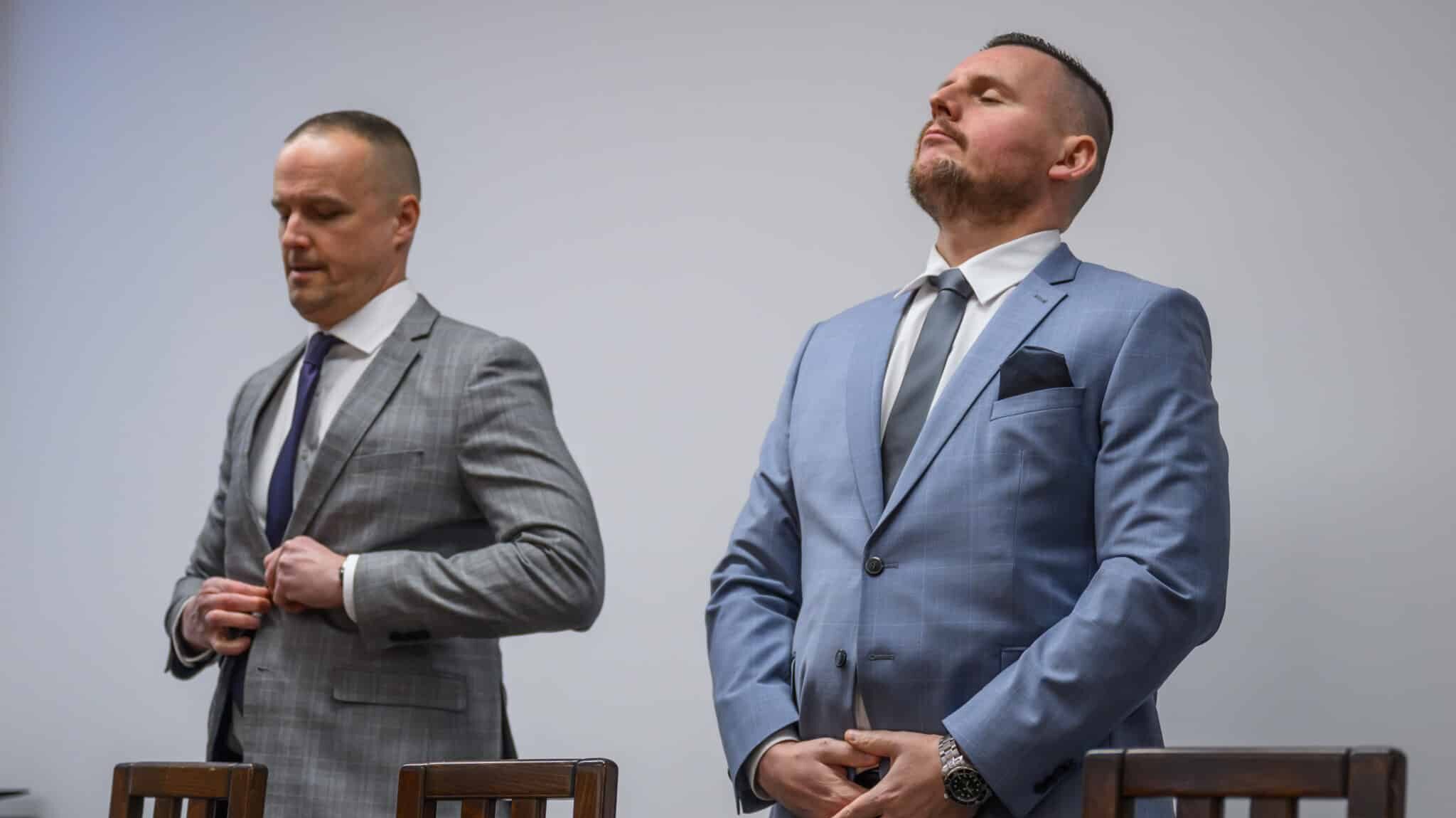
On January 28, Bombic arrived at Bratislava’s airport under police escort, facing multiple charges linked to his extremist activities. Despite his criminal background, he left the Special Criminal Court the following day with a sense of confidence, bolstered by a growing online following and support from government officials. His presence at a political debate shortly after his court appearance, despite a court order to limit his online activities, highlighted the blurred lines between politics and extremism in Slovakia.
The Rise of Extremism in Slovak Politics
For over 15 years, Marian Kotleba was a prominent figure in Slovak neo-fascism until his party was dissolved following his conviction for extremist crimes. This created a vacuum that allowed new far-right figures, including Bombic, to emerge. Fico’s Smer-SD party has increasingly adopted extremist rhetoric, targeting various groups such as journalists, the LGBTQ+ community, and migrants, while scapegoating external entities like the EU and George Soros.
During the lead-up to the September 2023 parliamentary elections, Fico’s party sought to attract disenchanted far-right voters, reaching out to Bombic, who had gained notoriety during the COVID-19 pandemic for spreading conspiracy theories and extremist content.
Bombic’s Extremist Activities
Bombic’s online persona is marked by a history of hate speech, antisemitism, and violent rhetoric. He has been involved in numerous legal troubles in the UK, including threats against public health officials during the pandemic. His social media presence has been repeatedly banned for promoting hate, yet he has managed to cultivate a significant following, particularly on platforms like Telegram.
Despite facing multiple international arrest warrants and a history of extremist behavior, Bombic has found a surprising level of acceptance within Slovak political circles. His rhetoric has shifted to align more closely with government narratives, and he has collaborated with various politicians, including members of Fico’s party.
Political Connections and Support
Bombic’s connections to the Smer party raise serious questions about the normalization of extremist ideologies in Slovak politics. His lawyer, David Lindtner, is an advisor to Fico and co-owner of a law firm linked to the current defense minister. This relationship suggests a troubling intertwining of extremist support and government influence.
Despite the evidence against him, Bombic has successfully argued in court against being labeled an extremist, reflecting a broader trend of minimizing the impact of far-right ideologies in Slovakia. Legal experts have criticized this decision, emphasizing Bombic’s clear affiliations with neo-Nazi groups and his promotion of racist and xenophobic ideologies.
The Future of Extremism in Slovakia
As Bombic continues to gain popularity, his plans for the future remain uncertain. He has expressed interest in leveraging his growing profile for political purposes, hinting at a potential entry into politics. This possibility poses a significant threat to the democratic fabric of Slovakia, as extremist ideologies gain traction within mainstream political discourse.
The Slovak government’s willingness to engage with figures like Bombic raises critical questions about the integrity of its institutions and the potential for far-right extremism to influence policy and public opinion. As Slovakia approaches future elections, the implications of this alliance could have lasting effects on the country’s political landscape and social cohesion.
The case of Daniel Bombic serves as a stark reminder of the challenges posed by the rise of extremism in Slovakia. As the government strengthens ties with far-right figures, the integrity of the justice system and the future of democratic values in the country hang in the balance. The normalization of extremist rhetoric within political circles not only threatens marginalized communities but also undermines the principles of democracy and human rights in Slovakia.