How Flexing Wealth Has Become a Way of Life for Many Indonesians

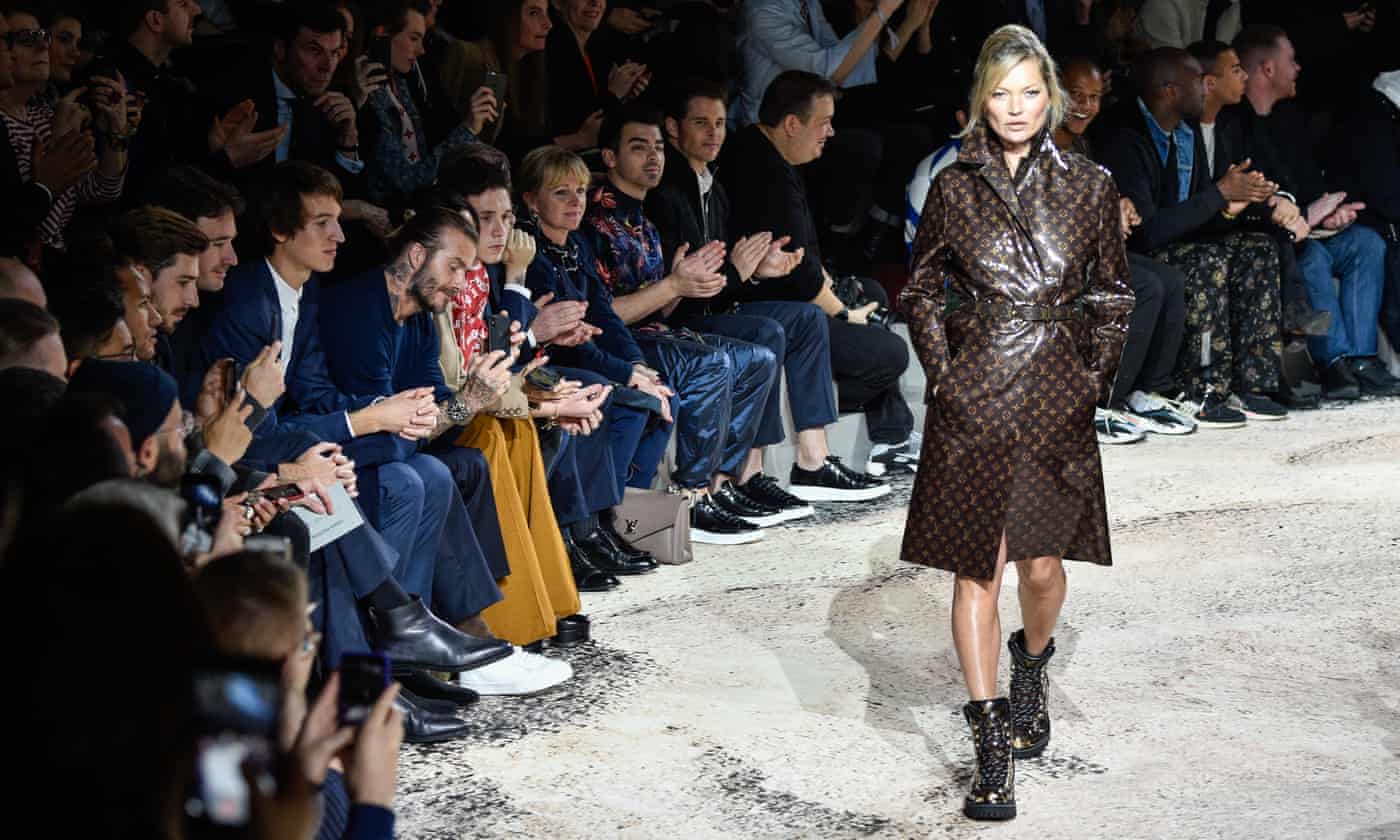
In recent years, Indonesia has seen a growing trend of individuals flaunting their wealth and luxury lifestyles. This phenomenon, commonly referred to as "flexing," has permeated various aspects of Indonesian society, particularly among the younger generation. From social media influencers showcasing their opulent lifestyles to everyday individuals posting about their latest purchases, flexing wealth has become a way of life for many Indonesians.
The Rise of Social Media
Social media platforms like Instagram and TikTok have played a significant role in popularizing the trend of flexing wealth. These platforms provide users with the perfect stage to display their lavish lifestyles, from luxury cars and designer clothes to exotic vacations and fine dining experiences. Influencers and celebrities often lead the way, setting trends that their followers eagerly emulate.
Celebrities and influencers have a massive impact on their followers' behaviors and aspirations. By frequently posting about their luxurious lifestyles, they create a sense of aspiration and desire among their audience. This has led to a culture where owning and showcasing high-end products is seen as a status symbol and a way to gain social recognition.
Cultural Factors
- In Indonesian society, social status and prestige are highly valued. Displaying wealth is often associated with success and power, making it a desirable goal for many individuals. This cultural emphasis on status and prestige drives people to invest in luxury items and experiences, even if it means stretching their financial limits.
- Peer pressure and social expectations also play a crucial role in the flexing culture. Individuals feel the need to keep up with their peers and maintain a certain image, which often involves showcasing their wealth. This pressure can come from various sources, including family, friends, and colleagues.
The Dark Side of Flexing Wealth
1. Financial Strain and Debt: While flexing wealth can bring social recognition, it can also lead to financial strain and debt. Many individuals go to great lengths to maintain their luxurious lifestyles, often spending beyond their means. This can result in significant financial burdens and long-term consequences.
2. Social Inequality and Resentment: The culture of flexing wealth can exacerbate social inequality and create resentment among those who cannot afford such luxuries. It highlights the gap between the rich and the poor, leading to feelings of inadequacy and frustration among the less affluent.
3. Mental Health Issues: The constant pressure to maintain a luxurious image can take a toll on individuals' mental health. The need for validation and the fear of not measuring up to societal standards can lead to anxiety, depression, and other mental health issues.
Flexing wealth has become a prevalent trend in Indonesia, driven by social media, cultural factors, economic growth, and psychological needs. While it brings social recognition and validation, it also has its downsides, including financial strain, social inequality, and mental health issues. As this trend continues to grow, it is essential to be aware of its implications and strive for a balanced approach to wealth and lifestyle.