How AFCON proved its critics wrong
-
 Loading...
 - Yousra Ateba
- 11 Aug 2022
- 79 Views
- 0 Like
- 0 Comment
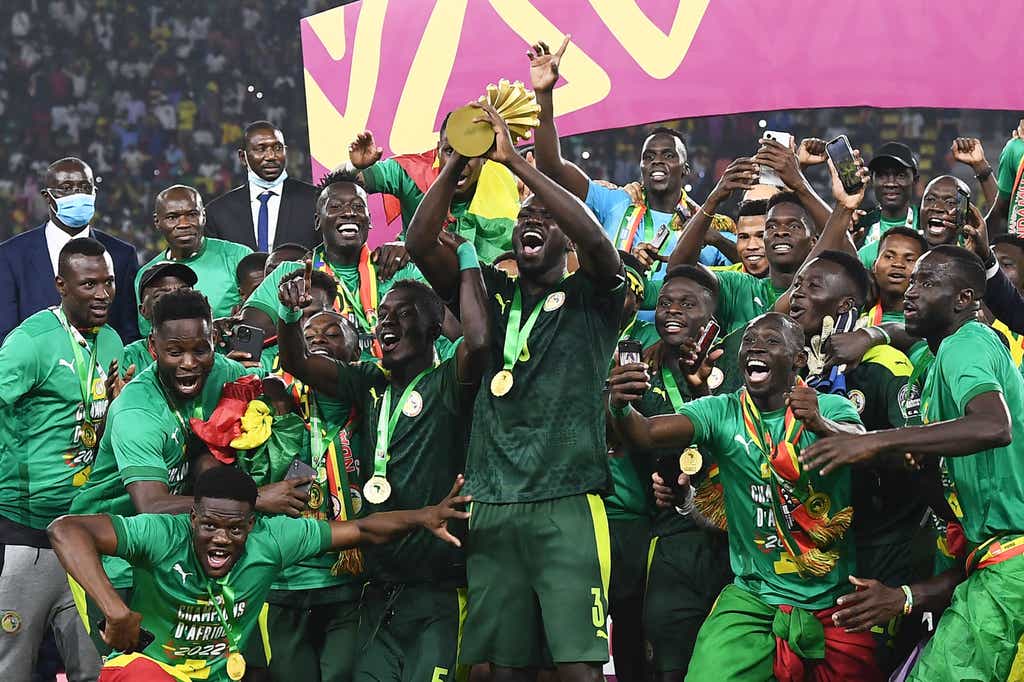
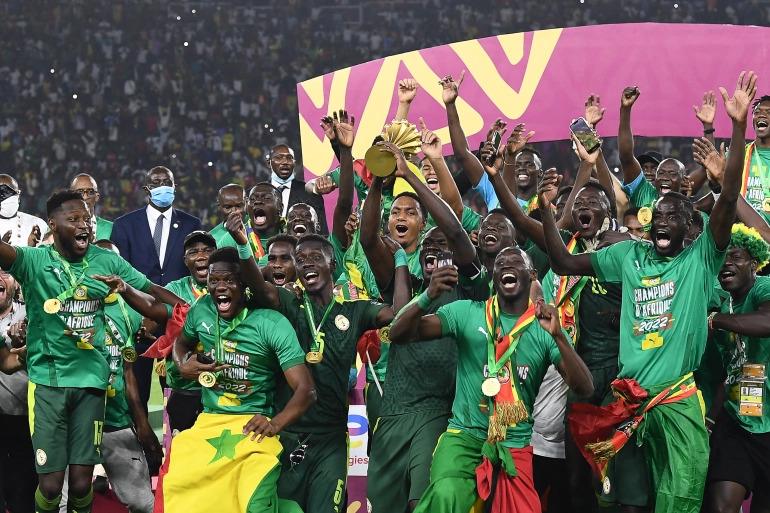
The 2021 African Cup of Nations (AFCON) in Cameroon came to an exciting denouement last Sunday as the Teranga Lions of Senegal, inspired by Sadio Mané and Édouard Mendy, defeated the Pharaohs of Egypt, led by Mohammed Salah. Coming after both sides failed to score in the 120 minutes of regular and extra time, a penalty shootout secured Senegal’s historic victory.
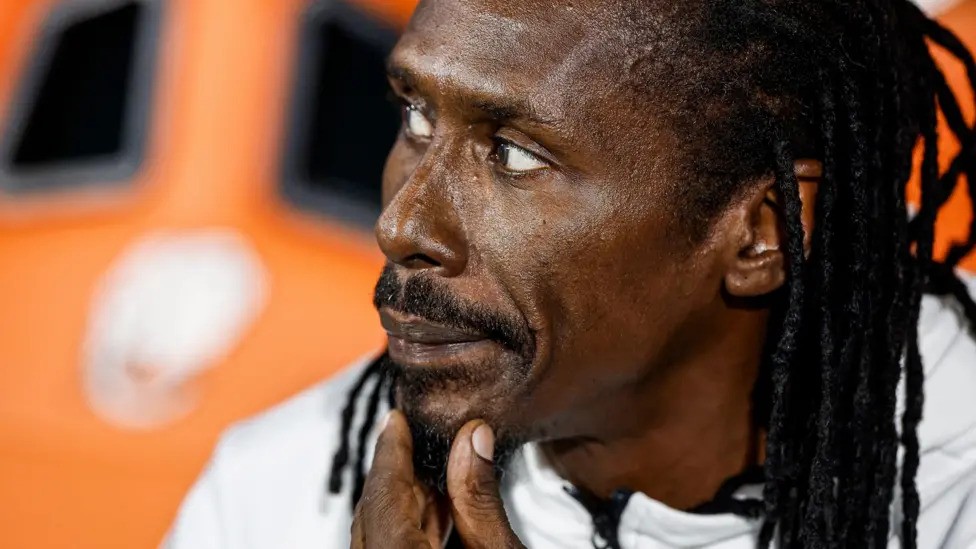
It was not only the country’s first-ever AFCON trophy, but it also marked a significant triumph for African indigenous coaches having been tactically orchestrated by Aliou Cissé and his backroom staff. After failing as captain to lead Senegal to victory in the 2002 AFCON final against Cameroon, Cissé, who has been in charge of the Senegalese team since 2015 and guided them to the 2018 World Cup in Russia as the only Black coach, finally waltzed into a glorious redemption. Senegal’s historic success underscores the potential of African coaches to excel when given sufficient time and resources to work – as is often the case with European coaches who work in Africa.
Pundits and commentators, including Nigeria’s former captain and coach Sunday Oliseh, have noted how this year’s AFCON became the most qualitative in the past 20 years especially in terms of tactics, passion, and surprises. The same sentiment was expressed by Samuel Eto’o, current president of the Cameroonian Football Federation, who took to Twitter to laud the organisation of “a legendary tournament” in Cameroon.
But as we cast a retrospective glance at the finest moments from Cameroon 2021, the accomplishments of the entire tournament itself brings into view the ambivalent forces that are sometimes entangled in sport. Understanding the import of Cameroon’s AFCON success is pertinent, considering the prevailing narratives of doom and crises that overshadowed this particular edition of the African Cup of Nations.
With cases of the Omicron variant of COVID-19 surging worldwide by the beginning of 2022, the pandemic became a pretext to excavate the colonial archive of negative stereotypes that stubbornly reifies a culture of disdain in media representations of Africa. In advance of the first kick-off, The Sun newspaper in the UK wrote about how COVID-19 cases would leave the tournament “in tatters”, while the UK’s Daily Mail sneeringly headlined a story with warnings of “AFCON terror” based on the escalation of separatist conflicts in Cameroon. Read More...