Hiking Tips in Sudan: A Comprehensive Guide for Beginners
-
 Loading...
 - Ibrahim Biel
- 08 May 2023
- 69 Views
- 0 Like
- 0 Comment
Hiking is an activity that has gained widespread popularity in recent years. Sudan, a country that is rich in history and culture, also offers an ideal destination for hiking enthusiasts. However, hiking in Sudan requires some preparation, as the terrain can be challenging and the climate can be harsh. This article provides a comprehensive guide for beginners who are interested in hiking in Sudan.
Sudan offers a unique experience for hikers, as the country has a diverse landscape that ranges from desert to mountains. However, the country is not a popular destination for hikers, and there is a lack of information available on the internet. This article aims to provide beginners with the necessary information to plan a safe and enjoyable hiking trip in Sudan.
Choosing the Right Time for Hiking
The best time to hike in Sudan is during the winter months (December to February) when the weather is mild. During the summer months, the temperature can reach up to 45 degrees Celsius, which makes hiking uncomfortable and dangerous. It is also important to avoid hiking during the rainy season (June to September) as flash floods can occur.
Selecting the Right Trail
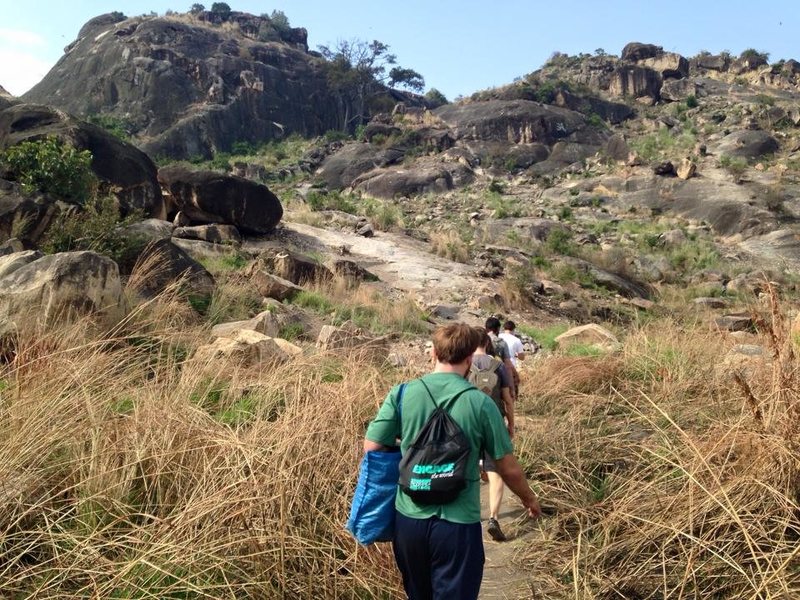
Sudan offers a variety of trails that cater to different levels of hiking experience. Some of the popular trails include the Jebel Marra Mountains, the Red Sea Hills, and the Nuba Mountains. It is important to research the trail beforehand and to choose a trail that matches your level of fitness and experience.
Packing Essentials for Hiking
When hiking in Sudan, it is important to pack essential items such as a first aid kit, a map and compass, a whistle, a headlamp, and a multi-tool. It is also important to pack enough water, as water sources can be scarce in some areas. It is advisable to carry a water filtration system or water purification tablets to avoid waterborne illnesses.
Staying Hydrated During the Hike
Staying hydrated is crucial when hiking in Sudan. It is recommended to drink at least 3-4 liters of water per day. It is also advisable to carry water with you, as water sources may not be readily available on the trail.
Protecting Yourself from the Sun and Insects
Sudan has a hot and dry climate, which means that sunburn and dehydration can occur quickly. It is important to wear a hat, sunglasses, and sunscreen with a high SPF rating to protect yourself from the sun's harmful rays. Insect repellent is also important to prevent mosquito bites and other insect-borne illnesses.
Clothing and Footwear
Wearing the right clothing and footwear is crucial when hiking in Sudan. Loose-fitting and lightweight clothing is recommended, as it helps to keep you cool and comfortable. It is also important to wear sturdy and comfortable hiking shoes that provide good traction on rough terrain.
Navigation and Trail Etiquette
It is important to have a basic understanding of navigation when hiking in Sudan. A map and compass are essential, and it is also advisable to carry a GPS device. Trail etiquette is also important, and hikers should be respectful of the environment and other hikers. Littering and disturbing wildlife should be avoided.