Here's How To Know If Your WhatsApp Is Hacked – 5 Signs
-
 Loading...
 - Bridget Walsh
- 20 Nov 2024
- 47 Views
- 0 Like
- 0 Comment
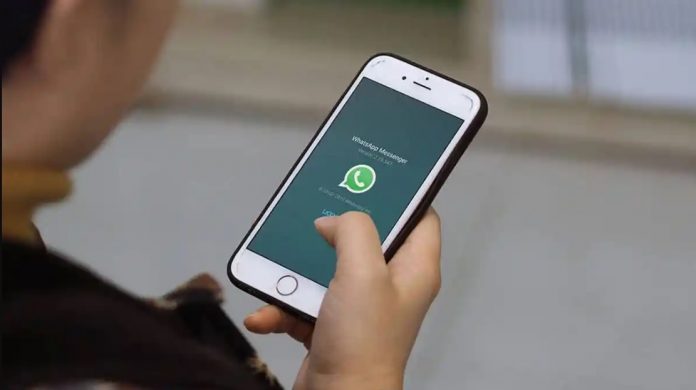
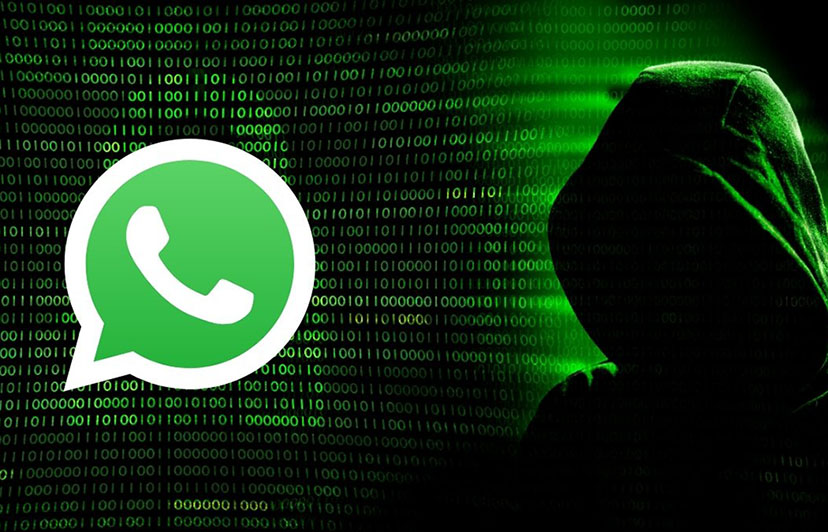
With nearly three billion users worldwide, WhatsApp has become a prime target for hackers. While the app is renowned for its robust security features, including end-to-end encryption, vulnerabilities can still arise, particularly due to user negligence. If a hacker gains access to your WhatsApp account, they can cause significant disruption, including scamming your contacts. Here are five signs that your WhatsApp account may have been compromised, along with steps to take if you suspect hacking.
One of the most common indicators of a hacked account is strange activity. If you notice unusual messages, such as receiving texts from unknown contacts or finding messages in your sent folder that you didn’t send, it’s a red flag. Additionally, if unread messages appear marked as read, it suggests that someone else has accessed your account. You might also receive unsolicited verification codes, which can indicate that a hacker is attempting to gain access to your account.
Another sign to watch for is unfamiliar devices logged into your account. WhatsApp allows users to access their accounts on multiple devices, including through WhatsApp Web. If you see any unknown devices listed in your account settings, it’s likely that a hacker is using your account without your permission. To check for this, open the app, go to Settings, and look for the Linked Devices section. If you find any unfamiliar entries, you can log them out immediately.
Changes to your profile details can also signal that your account has been compromised. If you log into WhatsApp and discover that your bio has been altered or your profile picture has changed to something unrecognizable, it’s a strong indication that a hacker is trying to impersonate you. This tactic is often used to scam your contacts, as the hacker may reach out to them under the guise of being you.
In some cases, poor phone performance can be a subtle sign of hacking. If your device is running slower than usual, experiencing crashes, or if the battery drains much faster than normal, it could be due to hidden applications running in the background, potentially installed by a hacker. This can lead to a frustrating user experience and may indicate that your device has been compromised.
Finally, one of the most alarming signs that your WhatsApp account has been hacked may come from your friends or family. If they report receiving strange messages from you—especially requests for money or personal information—it’s a clear indication that your account has been compromised. Hackers often use this tactic to expand their reach, attempting to scam your contacts by posing as you.
If you suspect that your WhatsApp account has been hacked, it’s crucial to act quickly. The first step is to re-register your account by signing in with your phone number. You will receive a six-digit code via SMS or a phone call to verify your identity. Once you re-register, anyone using your account will be automatically logged out. If you are prompted for a two-step verification PIN that you do not know, it may mean that the hacker has enabled this feature. In such cases, you will need to wait seven days before you can regain access without the PIN.
To prevent future hacking attempts, consider implementing several security measures. Enabling two-factor authentication is a vital step, as it adds an extra layer of protection to your account. Keeping your app updated ensures that you have the latest security fixes, while installing reputable security software on your phone can help protect against malware. Additionally, be cautious about sharing personal information and ignore suspicious messages, especially those asking for your verification PIN or sensitive data.
By staying vigilant and recognizing the signs of a compromised account, you can take proactive steps to protect your WhatsApp and maintain your privacy.