Helping gifted children is all very well – but what about the rest? Dawn Foster
-
 Loading...
 - Halle Benson
- 20 Feb 2021
- 1150 Views
- 0 Like
- 0 Comment
What do you want to be when you grow up? In the BBC’s new series Generation Gifted, six children are followed from the age of 13 until their GCSE year, and are asked the question by their teachers and parents, and the documentary team. The children are all exceptionally bright, achieving marks far above the national average, but all are from starkly disadvantaged backgrounds. This fact colours their answers: Liam’s aptitude for science, especially biology, is remarkable, yet he aims to become a chef “who uses science”, only becoming convinced of the possibility of a scientific career after intensive prodding by his biology teacher. Shakira is a promising artist, yet limits her hopes to becoming a tattoo artist and admits she thinks it unlikely she’ll leave Tamworth, her home town.
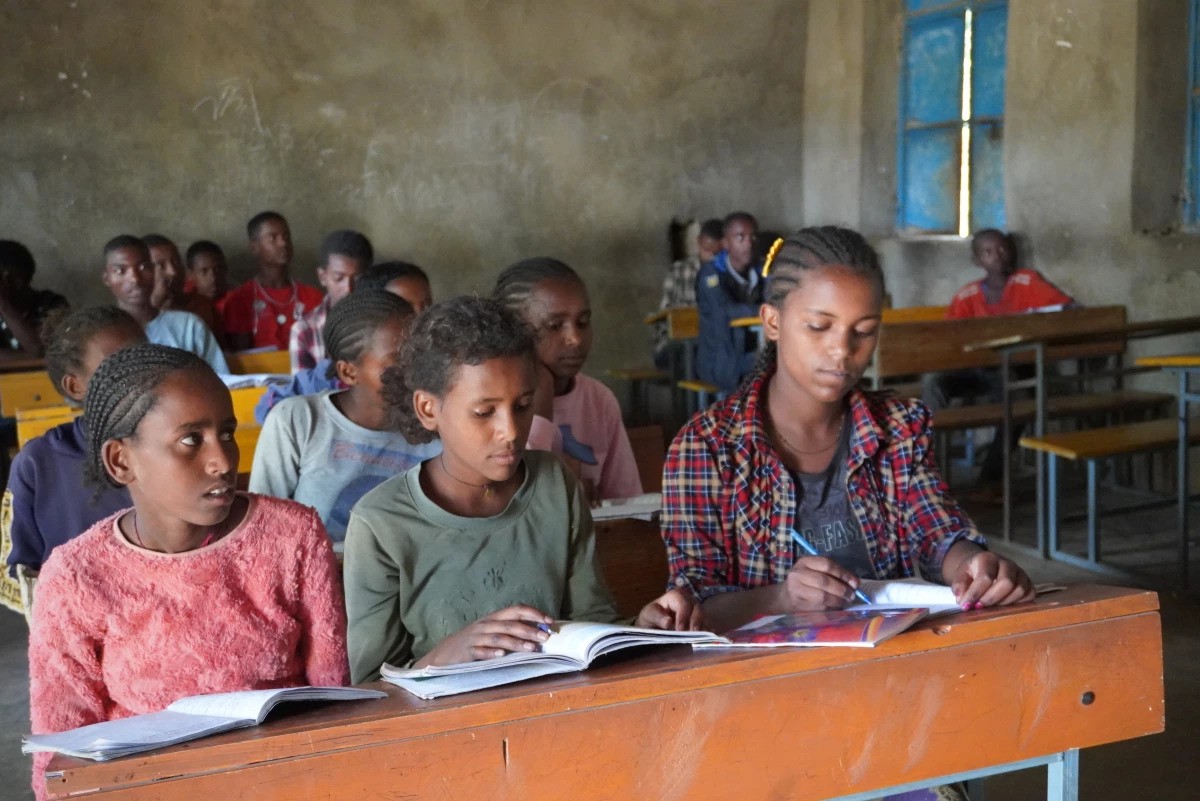
The series is sensitively done, a truncated version of the Up Series, and hopes to chart the state of social mobility in the UK: these children should, by all accounts, be able to pass their exams with flying colours, secure places at the best universities and see their efforts rewarded with a plush job that reflects their unusual ability. Two problems surface, however. The first is confidence, an issue that bedevils almost all of the six children filmed, whether they’re from Newcastle or Port Talbot. Children are more perceptive than we give them credit for: the poorest kids know their place as surely as the wealthiest children are aware of their station. Personal circumstances are far more rigid: money remains an issue, overcrowded housing hampers revision, complicated home lives upset the children who then act up or withdraw in school. The rigidity of the system seems to presuppose the likelihood of all six children achieving their full potential and attending university is slim. For every breakthrough, another setback emerges.
What’s interesting is that in each school, the other children are almost invisible, with none of their tales told. If the “gifted” children are struggling even with individual attention, and as much support as their parents can give them, what happens to the rest?
Towards the tail end of primary school, I was pulled aside by my headteacher and told I was joining a scheme for “gifted and talented” children, that would run from my 10th birthday until I was 16. Four times a year, I was driven to a different school with a dozen or so children I’d never met, to spend Saturday writing stories, poems and mocked-up newspaper articles with published authors and poets. We were encouraged to send other writing to the authors in the interim. Receiving handwritten feedback from the person whose books sat on the shelves of the local library was thrilling.
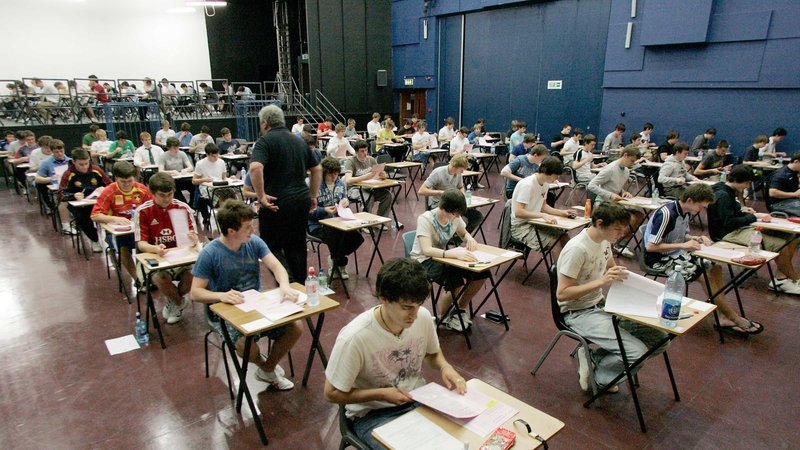
But no one else in my classes received the same opportunity. That my grades had been higher than my classmates’ when my school was asked to nominate a pupil was probably arbitrary. Many other students would probably have benefited more, and surely giving far more children workshops with authors, instead of intensely focusing on a small number of handpicked kids, would have been fairer.
Both the Gifted Generation and my “writers’ squad” sustain the “golden child” philosophy: the idea that by homing in on a few smart kids from poor backgrounds and teleporting them from one class to another, the issue of social mobility melts away. Often, the exceptional children are the worst perpetuators of the myth in adulthood, doggedly arguing that their existence proves that anyone can achieve whatever they wish if they put their mind to it, rather than seeing their rarity as proof of a rigid class system.
The belief that some children should be rescued from their class is the backbone of the argument for grammar schools, which – thanks to Theresa May – refuses to go away. Never mind that free school meal take-up is far lower at grammar schools, and they tend to cluster in wealthier areas; advocates deny they act as free private schools for the middle classes, and point to some of the working-class people who benefited from grammars in their heyday. But what of the people consigned to secondary moderns?
Focusing on the gifted always leaves people behind, and portrays working-class people as a repellent hinterland that “gifted” and “talented” children need rescuing from. A properly progressive approach would move away from offering a handful of kids a leg up, by improving the education standards and experiences of all children, and instil policies that improve the living standards of people of all income levels.
Poverty is a trap: it should be eradicated. It’s no real answer just lifting a few children from families stuck on low wages into a different social milieu.
True social mobility would be egalitarian, and allow movement between classes rather than relying on finding a golden ticket in your school report. Promoting gifted children helps them individually, and leaves governments convinced they are acting, but this is not true social mobility. What price an approach that removes the barriers for everyone, not just a chosen few?