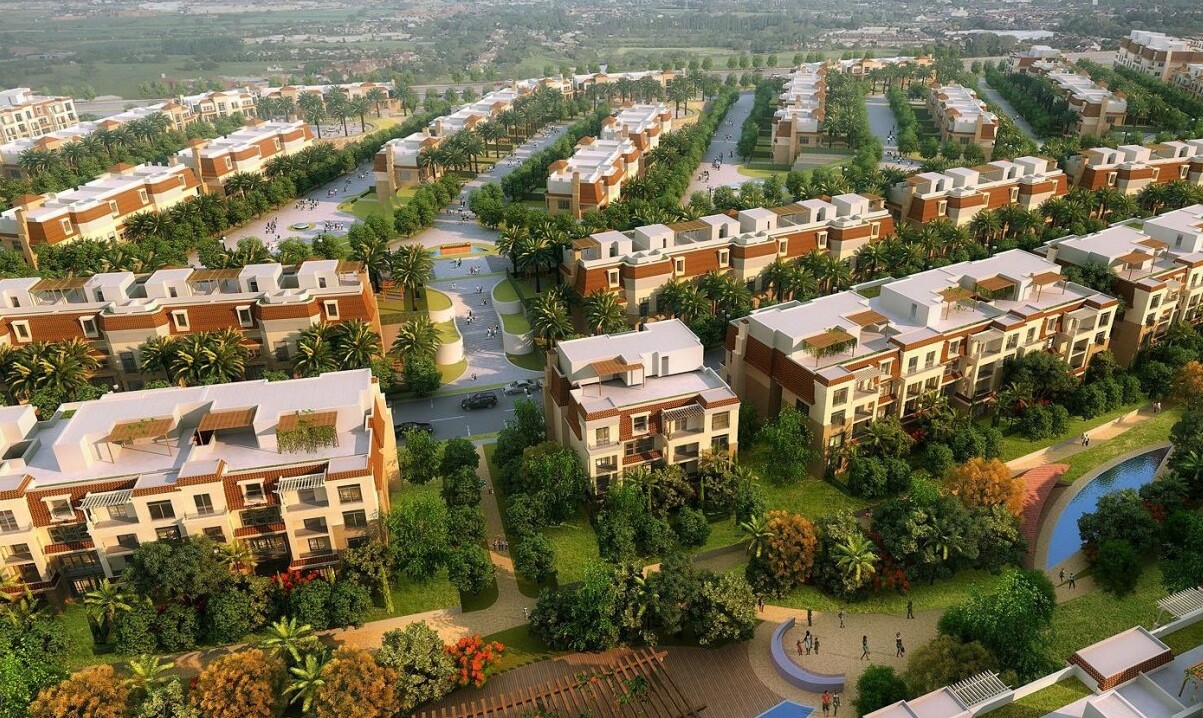
Heading into the summer housing market, we anticipate notable trends and factors that will shape the industry
-
 Loading...
 - Liam Jones
- 22 May 2023
- 60 Views
- 0 Like
- 0 Comment
Traditionally, summer sees increased activity, faster home sales, higher prices, and a surge in new listings. However, recent years have been far from ordinary in the housing market. Hence, it is essential to examine what to expect for summer 2023.
Predicting the housing market's trajectory amidst these turbulent times is challenging, but three key elements will significantly impact its climate this summer:
1. The labor market's condition plays a vital role in driving local housing demand. The strength of the labor market and the overall economic health are crucial factors influencing the housing market's performance. When unemployment rates are low, and job creation is robust, people feel more financially secure and confident to make significant decisions like buying or selling a home.
Despite concerns that the Federal Reserve's rapid interest rate increases might weaken the labor market, it has shown surprising resilience so far. While high-profile layoffs have sparked economic anxieties, they have been concentrated within specific industries and geographic regions. Therefore, it is crucial to closely monitor local labor market conditions to gauge the summer's activity in your area's housing market.
2. Higher mortgage rates could potentially lead to lower home prices. Homebuyers have been closely monitoring mortgage rates this year, and for a good reason. Even a half percentage point increase in mortgage rates can raise the monthly payment on a typical home by over $100.
The Federal Reserve's actions heavily influence mortgage rates, and they have expressed their commitment to maintaining elevated interest rates until inflation subsides. Consequently, there is a possibility of higher mortgage rates this summer, which would reduce buyers' purchasing power and subsequently bring home prices down.
3. Limited housing supply continues to exert pressure. Although new listings typically increase during the summer, this year might see unseasonably low inventory levels. While there has been a slight increase in the supply of homes for sale compared to a year ago, it still remains historically low. Moreover, new listing activity in 2023 has reached its lowest levels in more than a decade. As a result, limited inventory will foster competitive conditions in numerous local housing markets this summer.
Homeowners who purchased homes during the pandemic at historically low mortgage rates, or those who refinanced at rates below 3%, have little incentive to sell. Selling would mean transitioning to a mortgage with a rate more than double their current one, further discouraging potential sellers.
In conclusion, the summer housing market is expected to heat up, but it won't reach scorching levels due to conflicting factors pulling the market in different directions. On one hand, pent-up demand and low inventory will create competitive housing markets. On the other hand, higher mortgage rates and economic uncertainty will dampen market activity. Ultimately, this summer could mark a return to a more balanced housing market.