Guide to fine art landscape photography
-
 Loading...
 - tyler matilda
- 14 Feb 2023
- 64 Views
- 0 Like
- 0 Comment
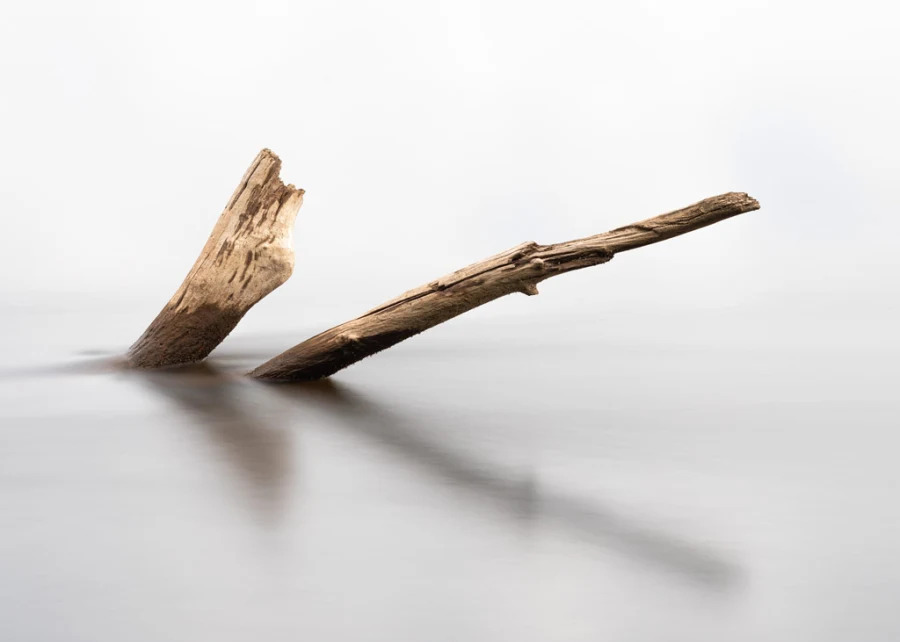
It took me a long time to discover the style of photography that matched my emotional and spiritual responses to what I was seeing, as I stood in the wind and rain that usually accompanied my expeditions. Many people see long-exposure work as a bit of a cliché: misty water and a few sticks in the sea; drifting clouds and an overly light high-key look. Yes, it can be, but the same can be said of many aspects of photography.
Personally, long-exposure photography allows me to explore a sense of calm; a visual relaxation that matches the way I feel when I look at the landscape. In my previous job as picture editor of The Times, I used to look through somewhere in excess of 20,000 images a day trying to find the perfect one for the front page. I lived my life at break-neck speed, barely taking a breath. When I left The Times at the end of 2011, I was convinced there must be more to life than what I had. I needed to get more out of myself photographically and that’s where long-exposure work came to the rescue.

Get started with fine art landscape photography
Have a connection
Before we get into the technical side of long-exposure photography and counting exposure increase, there is something far more important than the technical issues – it’s vision, interpretation and connection with your subject.
I love what Ansel Adams said:
‘A great photograph is a full expression of what one feels about what is being photographed in the deepest sense and is, thereby, a true expression of what one feels about life in its entirety.’
You have to be able to connect your emotions to the landscape around you. It’s no good just shooting lots of images in the hope of getting a good one. Instead, shoot a picture that really captures how you feel at the time, and perhaps shoot a second image. If nothing else, long-exposure work will stop you from shooting lots of needless images. The one thing you’ll need in abundance is patience, not memory cards.
My very first long-exposure image was a mistake. I set up my Horseman SW612 medium-format camera in my bedroom window one Christmas night to take a picture of the snow under moonlight over the Pennines. I’d had a glass or two of wine – probably slightly more – and wasn’t in the sharpest of mind frames. I vaguely remember taking a meter reading off the snow with my spotter and thinking it was darker than it looked. So I set the aperture to f/11 and thought five minutes would do it. Four hours later I returned to the bedroom and saw the camera, remembered what I had tried to do, laughed drunkenly and closed the shutter.
Thankfully, now my images are somewhat more considered and a lot less wine is consumed in making them!
Filters
For me, long exposures are anything over 30secs, although most Facebook groups argue that it should be anything over 1sec.
The filters are the key bit of equipment that you should pay attention to. They will depend on your budget, but – and it’s a big but – more expensive brands like Lee and Formatt Hitech are without a doubt better in manufacture, consistency of colour and density.
So when it comes to filters, buy a system with a holder and adapter rings. You can mix filters with systems too. I use Lee adapter rings and holders, and some of their filters, but I also use Formatt Hitech. They are all 100mm and are interchangeable. Don’t buy the variable screw-in filters as you can’t accurately predict what density you are shooting through, and don’t buy cheap brands of filters because the colour of an ND filter is meant to be neutral, not pink or green. Read More…